


Want a one-of-a-kind piece that fits your wall and supports a neighbor, without guessing on price or timeline?
Commissioning a local artist is easier than you think when you break it into three parts: a clear brief, a realistic budget, and agreed milestones.
This guide walks you step-by-step from finding artists to approving sketches so you get custom wall art that fits your space, your schedule, and what you can afford.
Step-by-Step Process for Commissioning a Local Artist

Commissioning custom wall art gets easier when you break it into clear steps. You’re looking at three things: telling the artist what you want, locking down timelines, and setting a budget that covers everything from the actual piece to extras like framing or usage rights. Most artists work the same way. First contact, quick chat, sketch approval, production, then handover. Understanding that flow keeps you on track.
Budget matters before you reach out. Decide how much you can spend and what it needs to cover. If you’ve got $800, know whether that’s for the artwork alone or if it includes framing, delivery, and any rights you’ll need later. Artists like upfront honesty about money. It lets them tell you right away if your number works or if they’ll need to scale back the design. A realistic budget also helps you compare quotes fairly. One artist’s $1,200 estimate might include revisions and framing, while another’s $900 quote is painting only.
Here’s the full sequence:
-
Find and shortlist artists — Search local galleries, Instagram, art fairs, community centers. Review 10 to 30 portfolio posts per candidate and shortlist 3 to 5 whose style matches your space.
-
Request examples and references — Ask each shortlisted artist for 5 to 10 recent works and 2 to 3 client contacts or reviews. Confirm they’ve completed 3 to 5 commissions similar in size and subject.
-
Prepare your three part brief — Write down the subject (with 3 to 10 reference images), your budget range, and the exact scale. For example, “12 inches square for an album cover that will also work on vinyl and small posters.”
-
Schedule a consultation — Book a 15 to 60 minute call or meeting (sometimes free, sometimes $25 to $100 if the artist travels). Discuss timeline, materials, and whether your vision fits their process.
-
Review the quote and contract — Check the line item estimate for deposit amount (typically 20 to 50%), revision limits (usually 1 to 3 rounds), milestone dates, and any extra fees for licensing or changes after sketch approval.
-
Approve sketches and milestones — Expect a concept sketch in 1 to 2 weeks. Approve it in writing before the artist starts production (2 to 8 weeks for standard pieces). Release staged payments tied to progress photos.
Finding Local Artists for Custom Wall Art
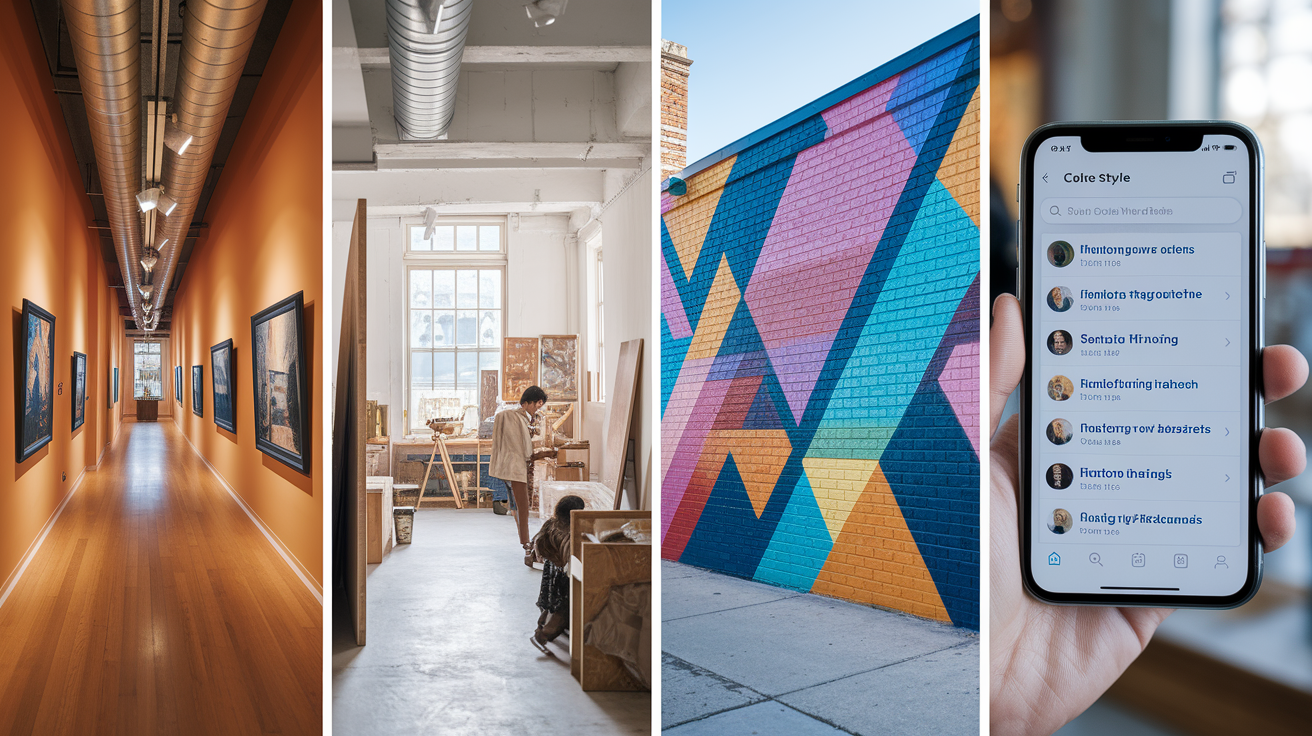
Start close to home. Local artists understand regional architecture, light conditions, the practical realities of homes in your area. You’ll find candidates through in person events and online searches. Attending 2 to 3 art fairs or open studio weekends gives you a feel for working styles and lets you ask questions face to face. If you can’t make it to events, Instagram and Facebook work well. Search hashtags like #yourcityartist or #yourcitymural and scroll through 10 to 30 posts per person to see if their overall work feels right for your space.
Word of mouth and local networks often surface the best matches. Interior designers keep shortlists of reliable artists, and community arts centers or university art departments can connect you with emerging talent at lower price points. If you’re vetting someone you found online, check for platform reviews. Etsy seller ratings, Google reviews, or tagged client posts confirm they deliver on time and communicate well.
Here are the most productive discovery channels:
- Local galleries and artist co-ops — Visit 3 to 5 in your area. Ask which artists accept commissions and request contact information.
- Art fairs and open studio tours — Attend seasonal events to see finished work in person and meet artists directly.
- Instagram, Facebook, and TikTok — Search location tags and commission related hashtags. Review stories and saved highlights for past projects.
- Community arts centers and maker markets — Check bulletin boards and ask staff for referrals to working artists.
- University art departments — Contact student services or faculty. Advanced students and recent graduates often take commissions at accessible rates.
- Interior designers and local framers — Ask for artist recommendations based on your style and budget.
- Online marketplaces with local filters — Use Etsy, Saatchi Art, or regional platforms to filter by location and read verified reviews.
Evaluating Artist Portfolios and Experience

A strong portfolio tells you whether an artist can deliver what you’re picturing. Don’t judge on one or two standout pieces. Look at 5 to 20 works to see if their style is consistent and if they handle the medium (oil, acrylic, ink, digital) with the level of finish you expect. Pay attention to commissions that match your scale and subject. If you want a 24×36 landscape, ask to see 3 to 5 similar pieces they’ve completed for clients, not just personal work or smaller studies.
Ask for 2 to 3 client references and actually contact them. A quick email or text asking “Did the artist meet deadlines? Were revisions handled smoothly? Does the finished piece still look good a year later?” will surface problems before you commit. If the artist sells on platforms like Etsy or has Google reviews, read the one and two star feedback. Repeated complaints about missed deadlines, poor communication, or fragile materials are red flags you can’t ignore.
Studio visits or video walkthroughs give you a sense of professionalism and working conditions. You’ll see how they store completed work, whether they use archival materials, and how they handle shipping or protective finishes. If a studio visit isn’t possible, ask for progress photos from past commissions to confirm they document each stage clearly.
Watch for these warning signs when reviewing portfolios and references:
- Inconsistent style or technique across recent work, suggesting the artist is still experimenting or lacks a defined process.
- No examples of completed commissions in your size range or subject matter.
- Reluctance to provide client contacts, references, or detailed progress photos from past projects.
- Reviews mentioning delayed timelines, poor quality materials, or unresponsive communication after deposit payment.
Preparing a Clear Commission Brief for Custom Wall Art

A complete brief saves time and prevents expensive revisions later. The simplest version covers three essentials: subject, budget, and scale. Subject means what you want depicted. Abstract color fields, a portrait, a landscape interpretation, a custom illustration. And whether you’re supplying reference images (3 to 10 photos is typical) or expecting the artist to research and design from a concept. Budget is your realistic spend range, including any must haves like framing or commercial usage rights. Scale is the exact final dimensions. Measure your wall in inches (height × width), then use painter’s tape to outline the proposed size and live with it for 2 to 3 days to confirm it feels right before locking the number.
Color accuracy matters in real rooms. If you need the artwork to coordinate with existing paint or furniture, provide physical samples. Paint chips from the hardware store, fabric swatches, or even photos of the wall in different lighting. If you have specific color requirements, share HEX codes or Pantone references so the artist can match precisely. Also describe the viewing context. Will people see this piece straight on from across the room, or up close from the left as they enter? Is the wall in direct sun for part of the day, and does the artwork need a matte finish to avoid glare?
Include these details to give the artist a clear starting point:
- Exact dimensions in inches, including orientation (horizontal, vertical, square).
- Preferred medium (acrylic, oil, watercolor, ink, digital print on canvas).
- 3 to 10 reference images showing subject, mood, and composition ideas.
- Color palette notes, including any must match colors or strong aversions.
- Viewing distance, lighting conditions, and whether the piece will hang near windows or continue an outdoor sightline.
| Brief Element | Details Needed |
|---|---|
| Subject | Specific theme, reference images, realistic vs. abstract preference |
| Budget | Total spend range, what it must cover (art, framing, delivery, licensing) |
| Scale | Exact height × width in inches, final format (framed, canvas wrap, panel) |
| Context | Wall color, lighting, viewing angle and distance, adjacent decor or windows |
Pricing, Quotes, and Budgeting for Custom Wall Art
Commission pricing depends mostly on size, medium, and complexity. Small pieces, roughly 8×10 to 11×14, typically run $150 to $600. Depends on whether it’s a simple ink sketch or a detailed oil portrait. Medium work in the 16×20 to 18×24 range usually costs $400 to $1,200, and large statement pieces around 24×36 can reach $1,000 to $5,000 or more if the subject is intricate or the artist is established. Murals and site specific installations are often priced per square foot, commonly $10 to $50 depending on travel, surface prep, and design complexity.
Plan for a budget cushion of 10 to 30% to cover extras that come up during the process. Framing alone can add $100 to $500 depending on materials and size, and if you need commercial licensing (using the artwork on products, marketing materials, or merchandise) expect additional fees starting around $200 and climbing into the thousands for broad distribution rights. Revision fees also add up. Most artists include 1 to 3 rounds of changes, but each additional round may cost $25 to $150 depending on how much rework is required. If the artist has to source or research reference material on your behalf, that might carry a separate research fee, so clarify what’s included in the base quote.
| Size | Typical Price Range |
|---|---|
| Small (8×10 to 11×14) | $150–$600 |
| Medium (16×20 to 18×24) | $400–$1,200 |
| Large (24×36 and up) | $1,000–$5,000+ |
Payment Terms, Deposits, and Schedules for Art Commissions
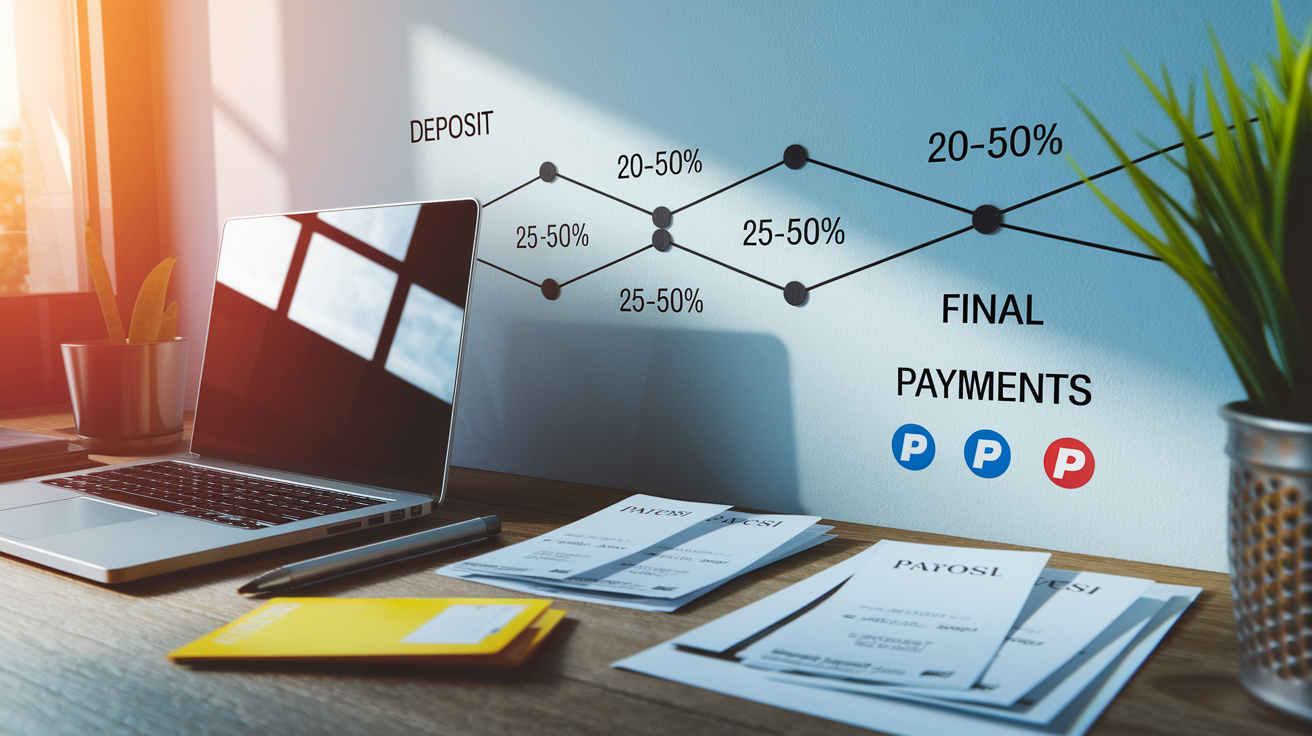
Most artists require payment in stages to cover materials and time as the project progresses. A standard schedule starts with a deposit of 20 to 50% when you book the commission. This secures your spot and lets the artist buy supplies. The next installment, often 25 to 50% of the total, comes due at a milestone like sketch approval or midpoint completion, usually tied to progress photos so you can confirm the work is on track. The remaining balance is paid on final delivery, either when you pick up the piece or before the artist ships it.
For smaller commissions under a few hundred dollars, some artists prefer full payment upfront, especially if they’re working on spec or the piece is highly customized and unlikely to sell elsewhere if you cancel. Larger projects sometimes allow installment plans spread over the production timeline. This works well when the total cost is several thousand dollars and the work takes months to complete. Just confirm how each payment will be made (bank transfer, PayPal, Venmo, or check) and whether card or digital payment fees (typically 3 to 5%) will be added to your invoice.
Expect these payment steps and options:
- Deposit at booking: 20 to 50% to reserve the artist’s time and cover initial materials.
- Milestone payment: 25 to 50% on sketch approval or midpoint, often triggered by shared progress photos.
- Final payment on delivery: Remaining balance due before pickup or shipping. Some artists hold the work until payment clears.
- Upfront payment for small commissions: Full amount in advance for pieces under $300 to $500, common with digital work or quick turnarounds.
- Installment plans for large projects: Monthly or bi weekly payments over the production period, useful for multi month timelines or costs above $3,000.
Contracts, Rights, and Licensing for Commissioned Wall Art

A written contract protects both sides and makes sure everyone agrees on what “done” looks like. At minimum, the contract should list exactly what will be delivered (one 24×36 acrylic painting on stretched canvas, for example), the timeline with specific milestone dates, how many revisions are included, and what happens if either party cancels or can’t meet the deadline. Payment schedules, refund terms, and any penalties for missed milestones should be spelled out clearly so there’s no confusion if something goes sideways.
Copyright almost always stays with the artist unless you negotiate otherwise. That means the artist retains the right to photograph the work, use it in their portfolio, and sell prints or reproductions unless your contract says different. If you only plan to display the piece in your home, this usually doesn’t matter and costs nothing extra. But if you want to use the artwork commercially (on product packaging, in advertising, on merchandise like t-shirts or posters) you’ll need a licensing agreement with fees attached. A common arrangement treats the commission price as an advance on royalties. For example, the artist might agree to a 5 to 10% royalty on sales after the first $5,000 in revenue, with the original purchase price counting toward that threshold.
If you need full copyright ownership, expect to pay significantly more. Often two to five times the base commission price, or negotiate a flat licensing fee starting around a few hundred dollars for limited use and climbing into the thousands for exclusive, perpetual rights. Either way, get it in writing with clear terms about what you can and can’t do with the image.
Prioritize these clauses in your commission contract:
- Scope and deliverables — exact dimensions, medium, subject description, and number of pieces or files included.
- Timeline and milestones — specific dates for sketch approval, production stages, and final delivery.
- Revision limits and fees — how many rounds of changes are included (typically 1 to 3) and the cost per additional revision.
- Copyright and licensing terms — who owns the image, what usage rights you receive, and any fees for commercial reproduction or resale.
Timeline Expectations and Revision Policies for Custom Wall Art

Plan on 1 to 2 weeks for the artist to produce an initial sketch or concept once you’ve submitted your brief and paid the deposit. This first draft is your chance to request adjustments before production begins. Moving elements, tweaking colors, or adjusting composition. Review it carefully and approve it in writing (email or text is fine) to lock in the direction. Once the sketch is approved, production for a standard sized piece typically takes 2 to 8 weeks depending on the medium. Oil paintings dry slowly and may need multiple layers, while acrylics and digital work move faster.
Larger or more complex projects stretch the timeline. A mural or multi panel installation can take 1 to 6 months from start to finish, especially if the artist needs to coordinate site access, prep surfaces, or work around weather. Revision rounds add time too. Expect 3 to 14 days turnaround per round of changes, and remember that most contracts include only 1 to 3 rounds. If you request significant changes after the final sketch is approved (like altering the composition or adding new elements) the artist may charge extra and reset the timeline.
Common timeline milestones to expect:
- Initial sketch or concept delivered 1 to 2 weeks after deposit and brief submission.
- First revision round completed 3 to 7 days after feedback, second and third rounds may take up to 14 days depending on scope.
- Production period of 2 to 8 weeks for standard wall art, 1 to 6 months for large murals or site specific installations.
- Framing lead time of 1 to 3 weeks if the artist arranges custom framing.
- Final delivery scheduled once the last payment clears. Pickup or shipping typically within 3 to 7 days of completion.
Delivery, Installation, and Care for Commissioned Artwork
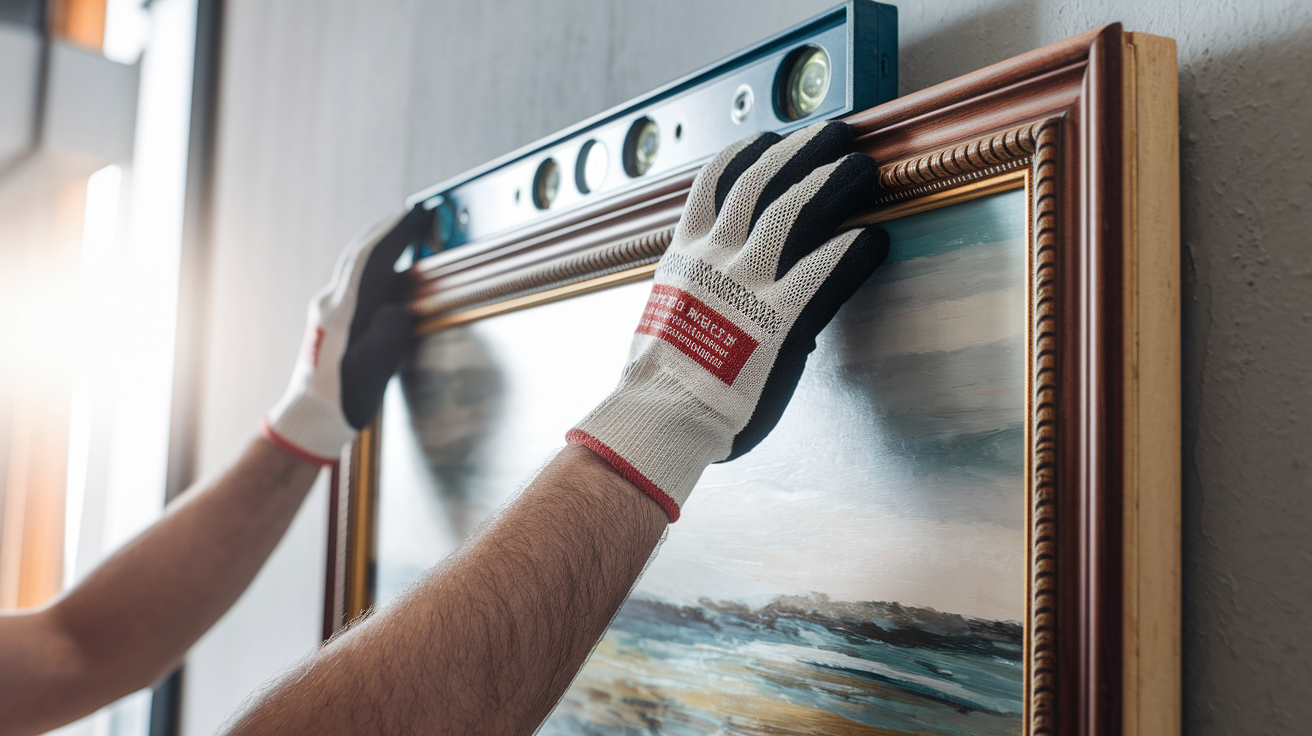
Once the piece is finished, confirm the final dimensions and how it will be mounted before you pick it up or arrange delivery. Most canvas work comes ready to hang with wire or D-rings on the back, but panels or unframed pieces might need additional hardware. If the artist is arranging custom framing, expect 1 to 3 weeks for that step and confirm whether framing is included in the original quote or billed separately. For heavy or oversized work, ask about professional installation. Some artists offer this service or can refer a trusted installer who knows how to find studs, use anchors, and handle fragile finishes safely.
Care instructions vary by medium. The artist should provide basic guidance. How to dust it, whether to avoid direct sunlight, if it needs a protective varnish reapplied every few years. Acrylic and oil paintings are generally durable and easy to maintain, while watercolors and pastels need UV protective glass and stable humidity. If you’re hanging the piece in a high moisture area like a bathroom or near a kitchen, mention that upfront so the artist can recommend sealants or alternative materials.
Key delivery and care considerations:
- Confirm final dimensions and mounting hardware before pickup. Check that your wall type (drywall, plaster, brick) can support the weight.
- Allow 1 to 3 weeks for custom framing if needed. Verify whether framing cost is included in the original estimate.
- Request written care instructions specific to the medium. Dusting frequency, sunlight exposure limits, humidity and temperature recommendations.
- Arrange professional installation for pieces over 50 pounds or larger than 36 inches in any dimension. Improper hanging can damage both the wall and the artwork.
Questions to Ask Before Hiring a Local Artist

A short list of direct questions will surface any deal breakers before you commit. Ask about availability first. If the artist is booked for the next six months and you need the piece in eight weeks, that’s a mismatch from the start. Confirm they’ve completed 3 to 5 commissions similar in size and style to what you’re requesting. Experience with comparable projects means fewer surprises and a smoother process.
Clarify the money and legal details upfront to avoid confusion later:
- How many commissions similar to mine (size, subject, medium) have you completed in the past year?
- What is your current lead time from deposit to delivery for a piece this size?
- What is your payment schedule (deposit percentage, milestone payments, and final balance timing)?
- How many rounds of revisions are included, and what do additional changes cost?
- Who retains copyright, and what licensing or usage rights are included in the base price?
- Can you provide 2 to 3 client references or links to reviews from past commissions?
- What is your cancellation and refund policy if I need to cancel or you can’t complete the work?
- Do you arrange framing, and if so, what is the cost and lead time?
Final Words
You reviewed portfolios, visited galleries, and narrowed a shortlist. You wrote a three-part brief (subject, budget, scale), requested sketches, and asked about timelines and references.
Clear communication, realistic milestones, and a set budget keep the project moving. Expect sketch approval in 1-2 weeks, production in 2-8 weeks, and typical deposits of 20-50% with staged payments tied to progress photos.
Use the step-by-step roadmap, ask the right questions, and sign a simple contract. This is how to commission a local artist for custom wall art and end up with something that fits your space and life.
FAQ
Q: What is the 70 30 rule in art?
A: The 70 30 rule in art is a simple composition guideline where one element or color takes about 70% of the visual weight and a secondary element takes 30% for balanced, clear layouts.
Q: How to commission custom artwork?
A: To commission custom artwork, review artist portfolios, prepare a brief (subject, budget, scale), ask about availability and fees, agree on timeline and deposit, then sign a simple contract with revision limits.
Q: What is the 80 20 rule in art?
A: The 80 20 rule in art applies the Pareto idea: about 20% of elements create roughly 80% of the impact, so focus on a few strong features for the biggest visual payoff.
Q: How much to charge for custom artwork?
A: The amount to charge for custom artwork depends on size and complexity: small $150–$600, medium $400–$1,200, large $1,000–$5,000; murals $10–$50 per sq ft, plus a 10–30% contingency.