

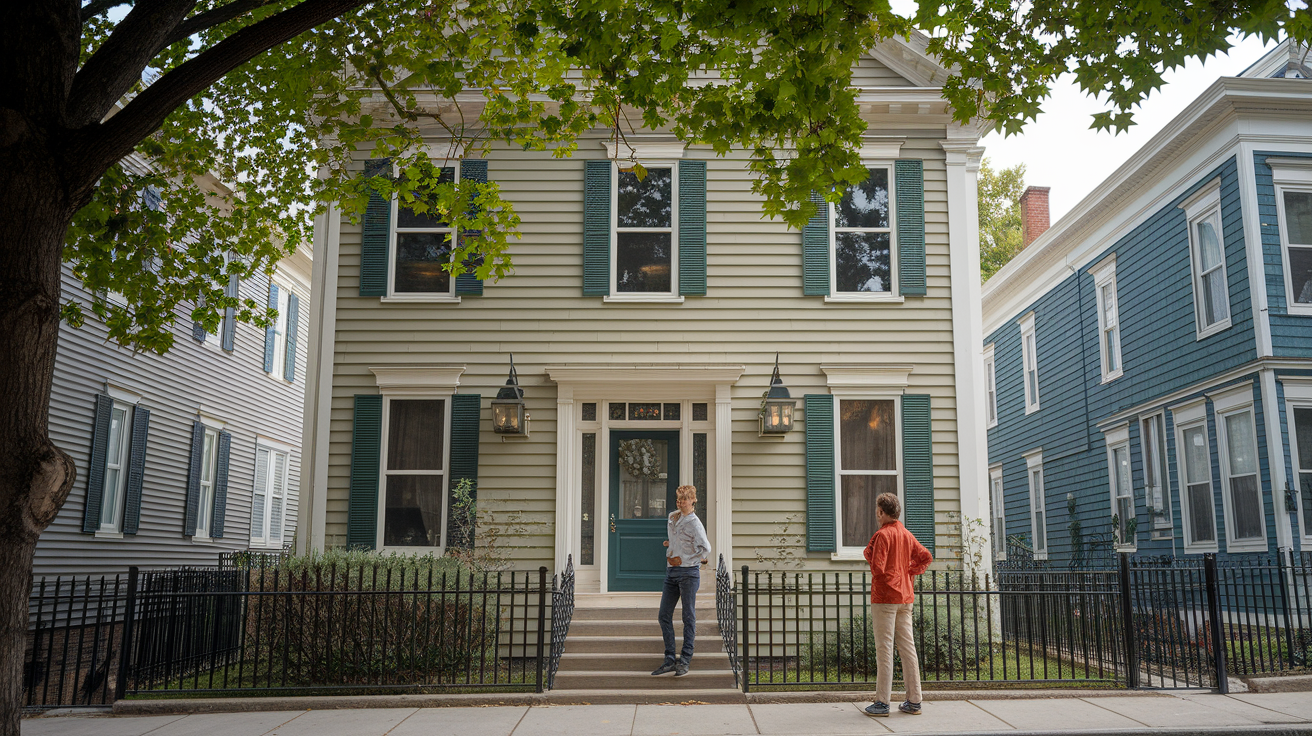

Think your house, your rules? Not in a historic district.
Before you raise a hammer, most visible exterior work needs approval from a preservation commission.
Materials, windows, porches, rooflines, and even paint colors are often regulated.
That means cheaper vinyl or bold modern changes can be denied, and projects take longer and cost more.
This post walks you through what you can and cannot change, why commissions care, and simple steps to get approvals faster and avoid fines.
Read on to plan smarter, save time, and keep your home’s character intact.
How Historic District Rules Influence Exterior Remodeling Decisions
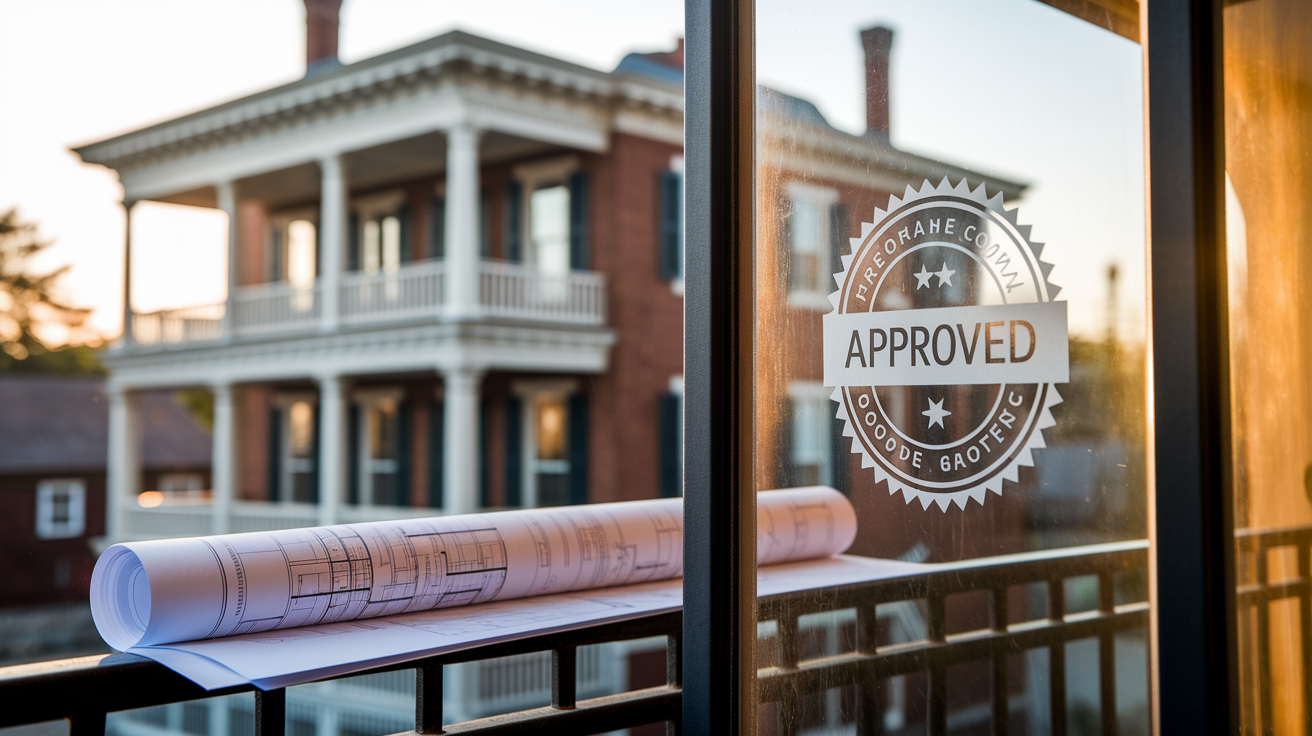
Historic district rules require you to get formal approval from your local preservation commission before making visible changes to your building’s exterior. Materials have to match or closely resemble the original construction. You can’t swap wood siding for vinyl or replace old wood windows with vinyl or aluminum versions.
The regulations focus on what people can see from the street. You’re not allowed to demolish original features like porches, cornices, or decorative trim. Incompatible additions that clash with the building’s original scale and style won’t get approved either. Change paint colors, roofing materials, or window configurations without permission and you’re looking at fines and orders to undo the work.
Preservation commissions want projects that repair and conserve original elements. When replacement can’t be avoided, you need authentic materials or close substitutes. Reversible energy upgrades work fine: storm windows that preserve the original look, low-E coatings, careful sealing. Projects designed to restore rather than radically alter get through approval fast.
These rules shape your design decisions in specific ways:
Material restrictions eliminate popular low-maintenance options like vinyl siding and replacement windows. That usually means higher upfront costs.
Design limitations prevent you from enlarging openings, adding incompatible features, or changing the building’s visible architectural character.
You’ve got timeline considerations. Submit plans, wait for review, receive approval before you start. That adds weeks or months to your schedule.
There’s compliance risk too. Unapproved work can bring fines, mandatory reversal of changes, and complications when you sell.
Cost implications include higher labor and materials expenses. Custom fabrication, specialty contractors, historically accurate repair methods. All of it adds up.
Legal Authorities Behind Historic District Remodeling Rules

Local governments establish historic district regulations through zoning ordinances and preservation ordinances. These ordinances define what exterior work requires review, create commissions with design-review authority, and set standards for evaluating proposed changes. They’re local laws. Once adopted, they bind property owners, municipal staff, boards, and elected officials.
Preservation commissions get their power directly from these ordinances. Some hold full regulatory authority, meaning building and demolition permits can’t be issued until the commission approves proposed exterior work. Others serve in an advisory capacity only. They offer recommendations but lack enforcement power. Advisory status provides weaker protection but it’s better than no review at all.
Design review typically applies only to building exteriors and is often limited to elevations visible from public rights of way. Street-facing facades, corner sides, prominent rooflines. Interiors, rear elevations screened by fences or neighboring buildings, and private courtyards are usually exempt. Commission jurisdiction, permit sequencing, and enforcement procedures are specified in the local ordinance and can’t be exceeded or ignored without formal amendments or variances.
Material Restrictions and Requirements for Historically Compatible Exteriors

Preservation ordinances commonly prohibit materials that differ in texture, profile, or appearance from original construction. You can’t replace intact wood siding with vinyl, fiber-cement Smart-siding, or corrugated metal. Aggressively contemporary cladding like metal panels, stucco over brick, or smooth composite boards on a Victorian cottage? That’ll fail review. Low-quality materials that degrade quickly or look visibly cheap are also discouraged.
When original materials must be replaced because of rot, damage, or structural failure, commissions require close matches. Wood lap siding should be replaced with wood lap siding of the same width and reveal. Wood shingles, historic brick, decorative metal trim should be replicated in kind. If exact materials are prohibitively expensive or unavailable, reversible solutions or high-quality substitutes that closely mimic the original in appearance may be acceptable.
| Material Type | Typical Restrictions | Acceptable Alternatives |
|---|---|---|
| Siding | Vinyl, fiber cement, and smooth composites prohibited on intact historic facades | Wood lap siding matching original width and profile; high-quality painted wood boards |
| Roofing | Modern synthetic slate or metal roofs that alter appearance; inappropriate colors or textures | Wood shingles, clay tile, or slate matching original material and color; dimensional asphalt if historically appropriate |
| Trim and Decorative Elements | Removing or covering original wood trim, cornices, or brackets | Repair existing wood trim; replace only damaged sections with custom-milled wood matching profiles |
| Cladding on Additions | Corrugated metal, aggressively modern materials on visible elevations | Materials compatible with primary building; secondary elevations may permit contemporary materials if screened from public view |
Window, Door, and Roof Standards Under Preservation Review
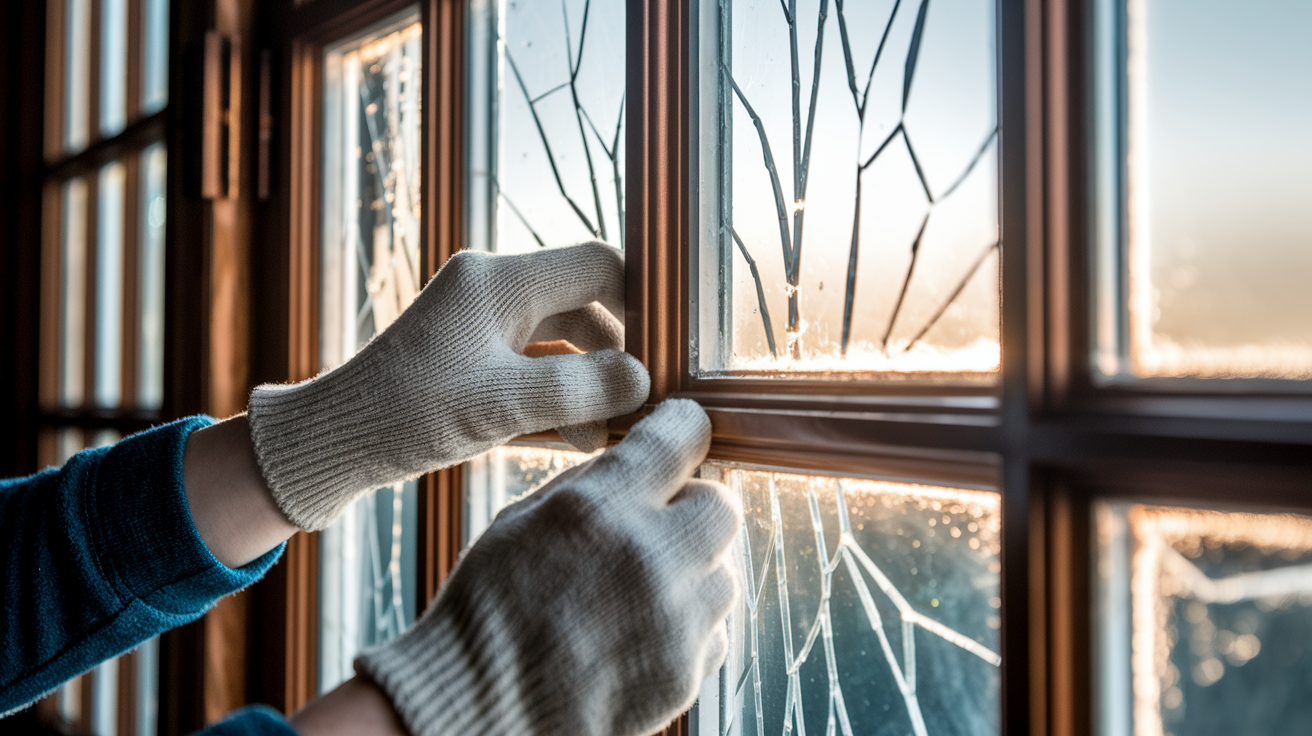
Preservation commissions enforce strict fenestration rules. The default approach is repair first: re-glazing cracked panes, fixing wood rot with epoxy consolidants, replacing broken sash cords, installing weather stripping. Removing original windows to install vinyl or aluminum replacements is rarely appropriate. Historic glass with its wavy, bubbled, or subtle imperfections should be conserved whenever possible.
When windows are damaged beyond repair, replacements must match the original in sash configuration, muntin profiles, and proportions. A six-over-six double-hung window must be replaced with another six-over-six unit. Muntin widths, glass-to-frame ratios, overall opening dimensions can’t change. Wood windows should be replaced with wood. Simulated divided lites, those grids glued to the surface of a single pane, are discouraged. True divided lites or high-quality simulated systems with interior and exterior muntins plus spacer bars are preferred. Try to alter window opening sizes, convert double-hung to casement, or add new openings in primary facades and you’ll usually be denied.
Door replacements follow similar rules: preserve original doors when possible, match panel configurations and proportions when replacing, avoid contemporary styles on historic façades. Roof alterations that change visible rooflines, add dormers in incompatible styles, or introduce modern materials like standing-seam metal on a shingled cottage require careful review.
Approval criteria for fenestration and roof changes generally include:
You need to demonstrate that repair isn’t feasible or that the original element is already missing.
Provide measured drawings, profiles, and photographs showing existing conditions and proposed replacements.
Match original dimensions, materials, and design details as closely as possible.
Changes should be reversible or not permanently alter historic fabric.
Approval Processes, Documentation, and Certificate of Appropriateness Requirements

You submit a Historic Resource Review or Certificate of Appropriateness application to the local preservation commission or municipal planning office. Approval from this board is typically required before the city will issue building or demolition permits. The application package usually includes elevation drawings, materials specifications, photographs of existing conditions, and written descriptions of proposed work.
Clear documentation speeds approvals. Measured drawings should show window and door dimensions, siding profiles, trim details, and roof pitches. Materials lists must specify product names, finishes, colors, and textures. Photographs should cover all affected elevations and any character-defining features nearby. When proposing deviations from original materials or designs, written explanations demonstrating compatibility or minimal visual impact can help reviewers understand the rationale.
Most projects get approved quickly when plans align with preservation standards. Permit data from one historic district showed that over 95% of projects received first-round approval, with fewer than 5% rejected even temporarily. Delays are more often caused by incomplete submissions, unclear drawings, or contractors unfamiliar with review requirements than by overly strict boards.
Required Submission Materials for Review
Elevation drawings showing all affected facades, window and door locations, siding and trim profiles, and proposed changes clearly labeled.
Materials specifications listing exact products, finishes, colors, profiles, and manufacturers for siding, windows, doors, roofing, and decorative elements.
Photographs of current conditions from multiple angles, including close-ups of details and wide shots showing context within the streetscape.
Site plan or property map indicating which elevations are visible from public rights of way and which are screened.
Written project description explaining the scope of work, reasons for proposed changes, and how the design respects historic character.
Samples or product literature for proposed materials, especially when substituting modern equivalents for historic elements.
Timeline Expectations, Hearings, and Variance Procedures for Exterior Changes

Review timelines vary by jurisdiction. Some commissions meet monthly on fixed schedules. Others convene as needed when applications are ready. Digital submissions, email coordination, and virtual meetings can shorten wait times, provided they comply with public-notice rules. Public-notice requirements like posting signs, mailing notices to neighbors, publishing agendas can add one to three weeks before a hearing.
Complete, well-documented applications move faster. Missing drawings, vague materials descriptions, or unclear project scopes force staff to request revisions, delaying the hearing date. Boards that publish clear checklists and materials requirements upfront help you avoid these delays.
Variances are rarely necessary when projects follow design guidelines. When you propose work that doesn’t strictly comply with standards, the commission may grant an exception if you demonstrate compatibility, minimal impact, or unique hardship. Confirm formal variance procedures, required documentation, and any associated fees with the local commission before submission.
Key timeline influencers include public notice and neighbor notification periods mandated by local ordinance, which can extend review by several weeks. Documentation completeness at the time of submission matters. Missing drawings or unclear materials lists trigger re-submissions and reschedule hearings. Board scheduling and meeting frequency determines how quickly an application reaches a hearing after submission is accepted.
Penalties, Enforcement, and Remedies for Unauthorized Exterior Alterations

Proceed with exterior work without obtaining required approval and you face fines and mandatory remediation. Enforcement actions can include orders to remove unapproved siding, reinstall original windows, or reverse demolition of protected features. Fines vary by jurisdiction but they’re designed to deter shortcuts and ensure compliance.
Enforcement effectiveness depends on local capacity and political will. In some districts, building inspectors and code officials check preservation-commission approvals during construction and issue stop-work orders when violations are discovered. In others, enforcement is complaint-driven or inconsistent. Weak enforcement can result in irreversible loss of historic character. Once original materials are removed and discarded, restoration becomes impossible or prohibitively expensive. Consider unapproved work and you risk not only penalties but also complications when selling, refinancing, or applying for future permits.
Balancing Modern Needs with Historic District Rules
Preservation rules let you make buildings more energy-efficient, accessible, and livable as long as changes respect historic character. Storm windows installed over original sash preserve the appearance of historic windows while reducing drafts and heat loss. Low-E coatings applied to historic glass, careful caulking and weather stripping, upgraded insulation in walls and attics are all reversible improvements that leave the exterior intact.
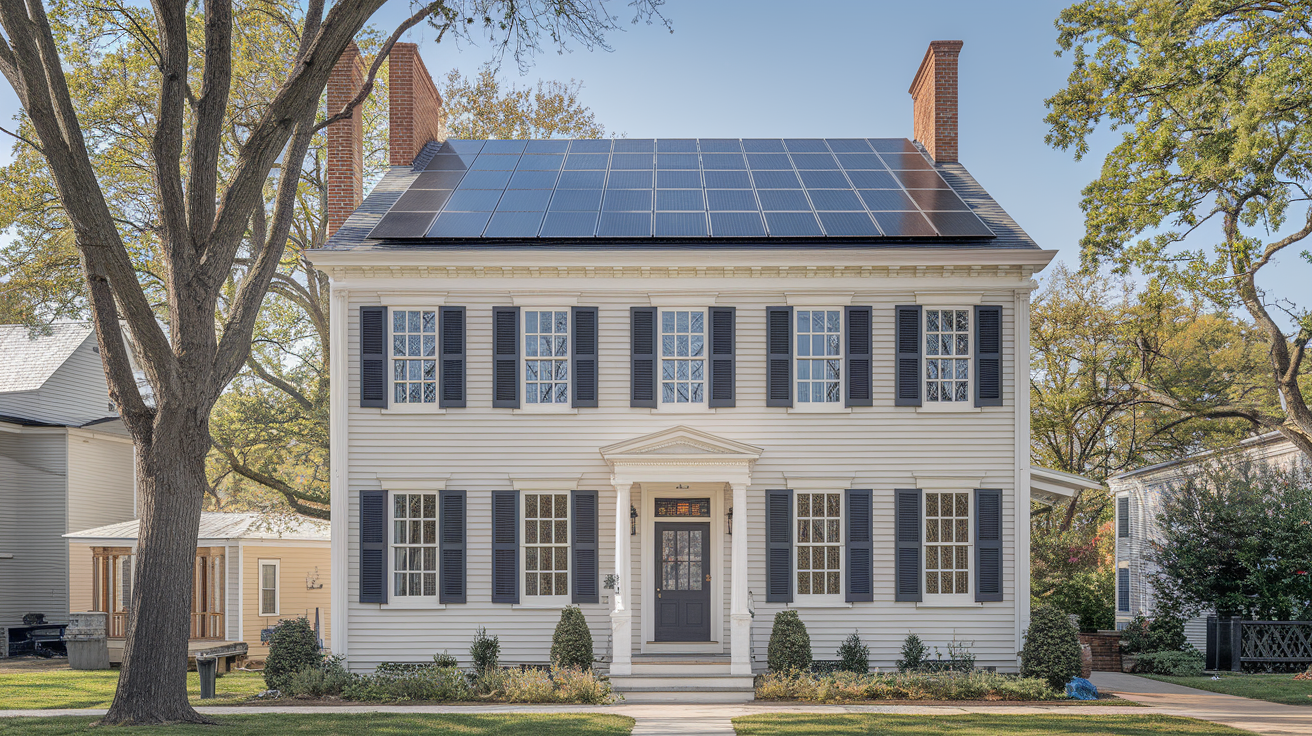
Solar panels and green roofs can be approved when sited to minimize visibility from public rights of way. Panels placed on rear roof slopes, flat roofs screened by parapets, or low-profile installations that don’t alter rooflines are more likely to pass review. Accessibility upgrades like ramps, widened doorways, modified entry stairs may be acceptable when designed to complement historic proportions and constructed from compatible materials.
Preservation boards increasingly recognize that rigid rules drive owners to renovate without permits or lobby for de-listing. Flexibility, when grounded in documented standards and reversible solutions, helps you adapt homes to contemporary needs without sacrificing historic integrity.
Practical approaches for blending modern improvements with historic character include installing storm windows over original sash instead of replacing historic windows with energy-efficient vinyl units. Site solar panels on rear slopes, flat roofs, or other locations not visible from the street. Use low-profile mechanical systems, mini-splits, or heat pumps that don’t require large roof penetrations or bulky exterior condensers on primary facades. Design accessibility ramps and lifts with materials, railings, and proportions that respect the building’s scale and detailing.
Cost, Contractor Selection, and Real-World Project Examples

Complying with preservation guidelines often increases material and labor costs compared to standard remodeling. Custom-milled wood siding, true divided-lite windows, handcrafted trim cost more than stock vinyl or composite products. Specialized contractors experienced in historic repair techniques like wood consolidation, traditional glazing, lime mortar repointing command higher rates than general remodelers.
But high approval rates and streamlined processes reduce delay-related costs. Permit data from one district showed remodeling activity in 2013–2016 exceeded the pre-recession peak, indicating that historic rules didn’t suppress investment. Contractors familiar with local review requirements submit complete applications, avoid rejected proposals, and move projects to construction faster than those learning the process on the job.
Real-world examples demonstrate the range of outcomes. One homeowner planning a detached garage received guidance to use lap siding and fiberglass windows instead of vinyl. The project passed review without exorbitant expense. A local contractor reporting thousands of period renovations over decades noted continued brisk activity and fewer low-quality jobs in the district. Another case involved an owner who ignored approved plans, removed all historic elements, and faced no enforcement because the local inspector and elected official chose not to act. That left the preservation commission powerless despite months of prior collaboration.
Characteristics of Preservation-Skilled Contractors
Documented experience with historic rehabilitation projects, ideally including references from other homeowners in local historic districts.
Familiarity with the Secretary of the Interior’s Standards for the Treatment of Historic Properties and local design guidelines.
Ability to prepare clear, accurate elevation drawings, materials specifications, and photo documentation required for review submissions.
Access to specialty suppliers and craftsmen for custom-milled trim, historically accurate hardware, period roofing materials, and traditional glazing.
Willingness to communicate directly with preservation commission staff, attend hearings if needed, and adjust plans based on reviewer feedback without frustration or delays.
Final Words
You now know what you can change, what needs approval, and which materials are usually off-limits. The post walked through permits and preservation commissions, material and window/roof standards, application paperwork and timelines, enforcement risks, and how to blend modern upgrades into historic settings.
With a clear plan, good documentation, and a contractor familiar with preservation, most projects get approved. Keep the effect of historic district rules on exterior home remodeling in mind as a helpful guide for smart choices, not a roadblock.
FAQ
Q: What is the 30% rule in remodeling?
A: The 30% rule in remodeling is a local guideline that flags projects replacing roughly 30% of a building’s exterior or structure; exceeding it usually triggers stricter historic review, full-code upgrades, or demolition review, and rules vary by city.
Q: Can I remodel a historic home?
A: You can remodel a historic home, but exterior work usually needs preservation-commission approval; interiors are often more flexible. Use compatible materials, reversible upgrades, and expect permit steps, timelines, and limits on demolition or major additions.
Q: What are common heritage renovation mistakes?
A: Common heritage renovation mistakes are removing original features, installing vinyl or aluminum siding and incompatible windows, skipping preservation approvals or documentation, and hiring contractors without historic experience—leading to fines, undo orders, or lost historic fabric.
Q: What is the 50 year rule?
A: The 50 year rule is a preservation guideline that a property about 50 years old may be considered historic for review or listing; it’s a general threshold and exceptions exist for especially significant newer resources.