



What if the kitchen you just finished quietly raised your property taxes enough to eat a chunk of your remodel budget?
Permits, added square footage, and nicer finishes can push assessed value up.
That extra tax becomes a recurring bill. For example, a $50,000 assessed bump at a 2% rate adds about $1,000 a year.
This post explains how those tax hits change the real cost of renovations, why timing and permits matter, and simple steps to keep your budget intact.
Understanding the Financial Link Between Property Tax Increases and Home Improvement Budgets

Home improvements push property taxes up, and that tax jump eats into your renovation budget if you don’t see it coming. Add square footage, redo a kitchen, finish a basement—your home’s market value climbs. Assessors notice. They raise your assessed value, which means your annual tax bill goes up too. A $50,000 bump in assessed value at a 2% local rate costs you an extra $1,000 every year. That’s money you could’ve spent on tile or new fixtures.
Added taxes shrink the cash available for your project right now. You budgeted $30,000 for a bathroom remodel but didn’t plan for the $800 yearly tax increase? You’ll cut scope, pause other work, or dip into savings you wanted to leave alone. Property assessment changes tied to renovations aren’t one-time hits. They’re recurring annual expenses that pile up over years of ownership.
Five ways property tax increases mess with your home improvement budget:
- Smaller renovation scope – Higher taxes force you to scale back features, finishes, or square footage to stay in budget.
- Delayed upgrades – Projects you planned to knock out in one phase get stretched across multiple years so you can manage cash flow.
- More financing – Surprise tax bills push homeowners to borrow more or tap credit lines they hoped to avoid.
- Tighter monthly cash flow – Annual tax increases divided by twelve create constant pressure on household finances, limiting what you can spend elsewhere.
- Long-term cost shifts – Ongoing tax bills reduce funds for future repairs, forcing you to choose between maintenance and new improvements.
How Rising Property Taxes Alter the Total Cost of Renovation Projects

Renovations that lift your assessed value don’t just raise taxes. They increase your total annual carrying costs, including insurance adjustments and routine maintenance tied to new square footage or features. Here’s what a realistic forecast might look like: your current property tax sits at $6,000 per year, the renovation adds $1,000 in annual tax, insurance climbs $200 to cover the new addition, and extra maintenance costs $300 yearly. That’s $1,500 more per year, or $125 added to your monthly household finances before you even think about loan payments. Converting annual tax increases into monthly dollars helps you understand the real cash flow hit and avoid budget surprises six months after the project wraps.
Rising property taxes shift what a renovation actually costs you over time. A $40,000 kitchen remodel that felt affordable in year one becomes a $41,500 commitment in year two, $43,000 in year three, and so on as assessments and municipal tax rates adjust. The table below breaks down how individual cost factors compound to reshape your total ownership picture.
| Cost Factor | Description |
|---|---|
| Annual Tax Increase | Added assessed value × local tax rate; recurs every year and may go up with future rate adjustments |
| Insurance Adjustment | Higher replacement cost or expanded coverage for new square footage, systems, or finishes |
| Maintenance Costs | New roof area, HVAC zones, plumbing fixtures, or outdoor structures need ongoing upkeep and eventual replacement |
| Total Monthly Ownership Impact | Sum of tax, insurance, and maintenance increases ÷ 12; shows how much less discretionary income remains each month |
Property Assessment Changes Triggered by Home Improvements
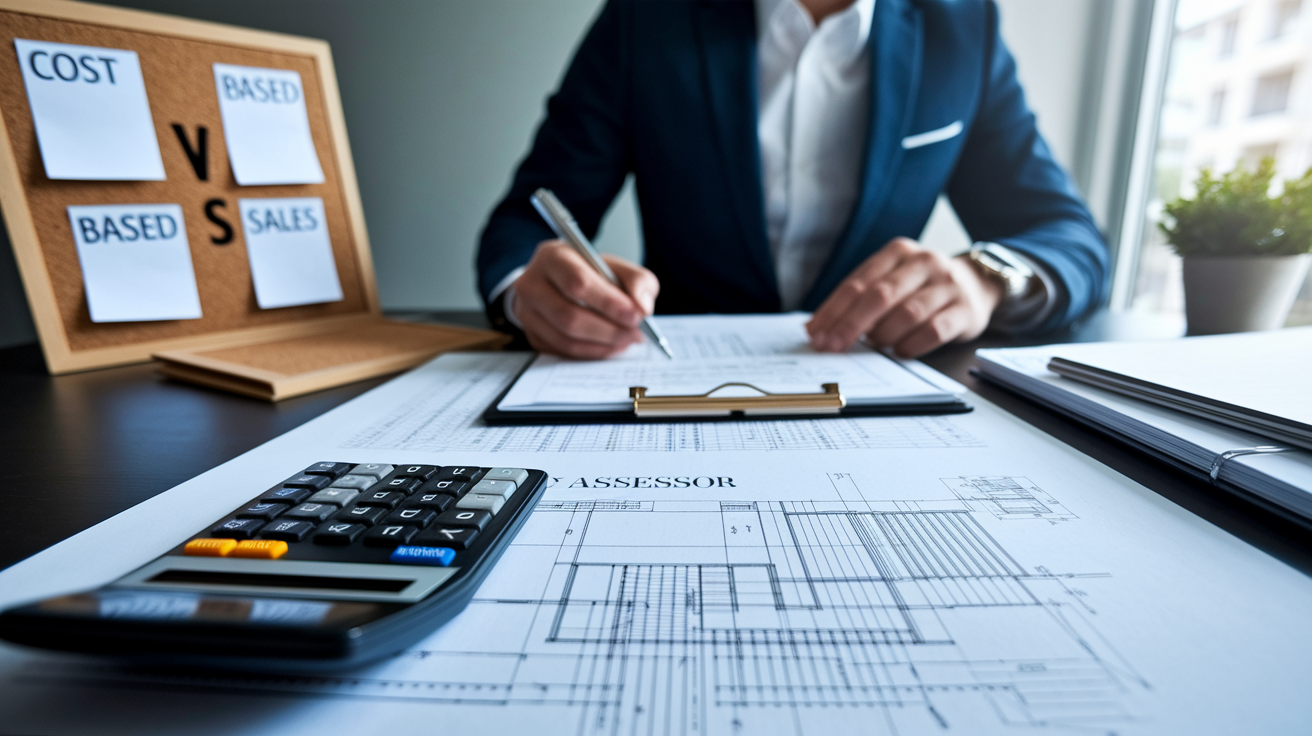
Assessors review building permits, architectural drawings, and recent sales to figure out how much your improvements lift your home’s taxable value. Major permitted additions like new rooms, a garage, a full second story often add 70 to 100 percent of your construction cost directly to assessed value in many areas. Spend $80,000 building a primary suite addition? Expect the assessor to add somewhere between $56,000 and $80,000 to your assessed value, depending on local practices and comparable sales. Cosmetic upgrades like fresh paint, new light fixtures, or swapped cabinet hardware rarely move the needle unless permits or inspector visits reveal a larger scope hidden in the paperwork.
Assessors use two main methods when evaluating properties after renovations. Cost-based approaches tally your contractor invoices, material receipts, standard per-square-foot rates, and overhead to estimate added value. Sales-comparison methods look at recent neighborhood sales of similar homes in “like new” condition and adjust your assessment to match market data. In practice, many assessors blend both techniques, leaning on cost data for unusual projects and comps for standard renovations in active markets. Either way, pulling a permit or submitting plans to the city alerts the assessor’s office that your property changed, triggering a review once the work wraps.
Local assessment cycles matter as much as the project itself. Some counties reassess every property annually, while others operate on multi-year rotation schedules or only reassess after a sale or new construction. In areas with a January 1 valuation date, finishing your deck in late December means it’s taxed the following year, but completing it in early January delays the increase by twelve months. Knowing your municipal tax rates and reassessment calendar lets you time projects to defer tax exposure when cash flow is tight or line up completion with planned income changes.
Budget Planning Strategies to Manage Property Tax Increases During Renovations

Good budget planning starts by estimating how much your renovation will lift assessed value, then multiplying that increase by your local tax rate and adding a 5 to 25 percent cushion to cover assessment surprises, insurance adjustments, and maintenance bumps over the first one to three years. Remodeling a kitchen for $35,000 and expect a $30,000 assessed-value increase at a 1.8 percent local rate? Plan for $540 in annual tax plus another $100 to $135 buffer. Include adjusted utility costs if you’re adding square footage or new systems, and model cumulative costs across multiple tax years to see how your financial priorities shift as the project ages.
Six ways to manage cost pressures:
- Build a tax cushion fund – Set aside 10 to 20 percent of your total renovation budget in a separate account to absorb the first year or two of higher property taxes and insurance.
- Phase work across tax years – Split large projects into smaller stages timed around local assessment cycles, spreading the assessed-value increase and smoothing cash flow.
- Focus on cost-efficient upgrades – Put money toward improvements with strong resale value or energy savings relative to tax exposure, like insulation or efficient windows.
- Try alternative materials – Swap high-cost finishes with mid-range options that deliver similar function and appearance but lower construction costs and smaller assessment bumps.
- Schedule around seasonal pricing – Plan demolition and rough work during off-peak contractor months to reduce labor expenses, freeing budget for taxes and contingencies.
- Get competitive bids early – Compare multiple contractor estimates before committing, using value engineering to trim scope without giving up quality.
Timing Considerations: When Property Tax Increases Affect Renovation Budgets Most
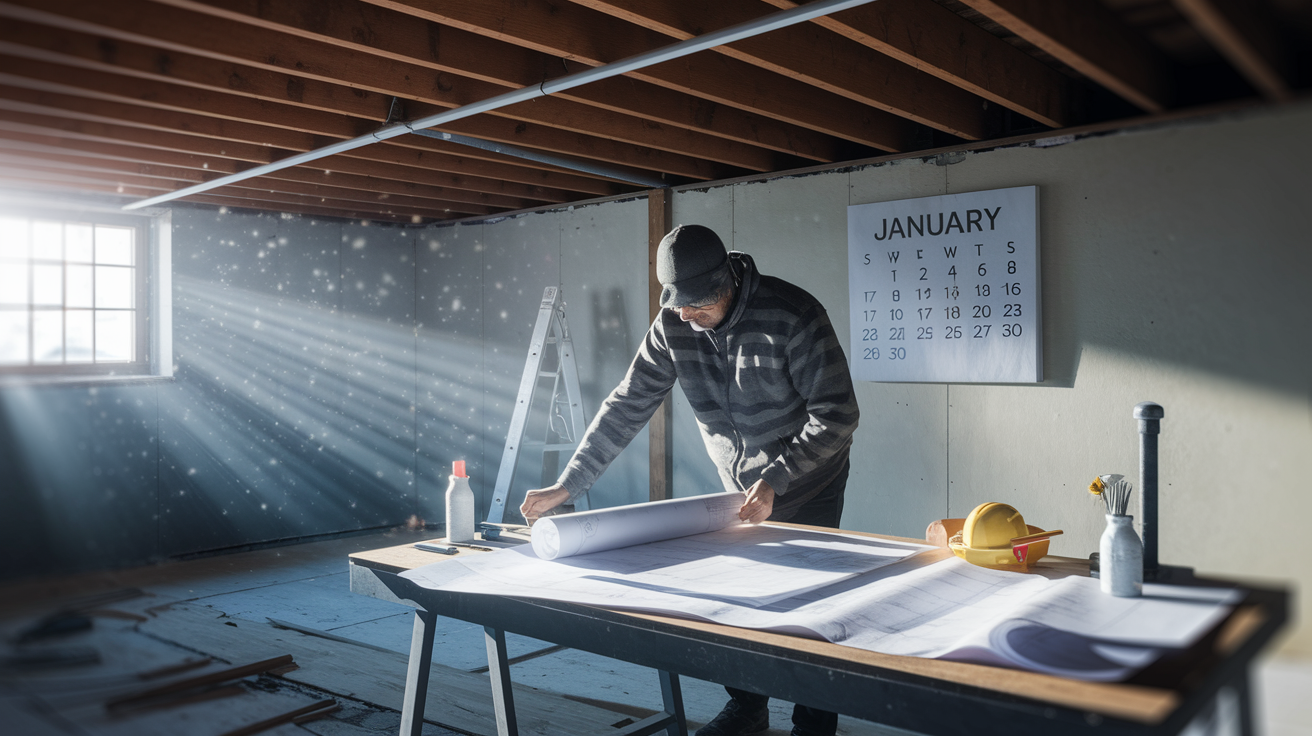
Tax assessments in many regions capture your property’s condition on a specific date, often January 1. Completing major work just after that cutoff can delay your tax increase by a full year. If your county reassesses annually on that schedule, wrapping up a basement finish in early January instead of late December keeps your tax bill flat for another twelve months and gives you time to build cash reserves or pay down construction debt before the next reassessment cycle. Conversely, rushing to finish before a sale or the end of a tax year can trigger immediate reassessment and compress the window you have to budget for higher taxes.
Large renovations started right before you plan to sell can pile on financial pressure. The new assessed value raises your annual property taxes while you’re still living there, and buyers may negotiate the sale price based on the higher tax burden they’ll inherit. Natural disaster repairs that stay incomplete on the valuation date sometimes result in a temporarily lower assessed value, reducing taxes for that year while you manage reconstruction cash flow and insurance claims.
Three timing tactics to cut budget strain:
- Schedule project completion after the local assessment date – Delay final inspections, certificates of occupancy, or landscaping until after the annual valuation snapshot to put off tax increases.
- Avoid back-to-back reassessment triggers – Don’t combine a major permitted renovation with an ownership transfer or refinance in the same tax year if both events prompt separate reassessments.
- Plan seasonal work windows around appeal deadlines – Start projects early enough that you get your new assessment notice with time to file an appeal before the 30 to 90 day window closes.
Appeal Options When Tax Increases Threaten Renovation Budgets

Appeal windows typically open 30 to 90 days after you receive your new assessment notice, and filing fees are usually modest. Homeowners can challenge inflated assessments by gathering evidence that shows the assessor overestimated the improvement’s impact on market value. Comparative market analysis from recent neighborhood sales, contractor invoices proving lower actual costs, before and after photos, or a licensed appraiser report can all support your case. Assessment errors happen regularly because appraisals are subjective estimates, and assessors sometimes rely on outdated cost tables or miss nuances in your project scope.
Building a strong appeal starts with documentation you collect during the renovation. Keep copies of building permits, change orders, final invoices, and photos of completed work so you can show exactly what was done and how much it cost. If the assessor added $60,000 to your assessed value for a $45,000 addition, your invoices and an independent appraisal might prove the market uplift was closer to $40,000, justifying a downward adjustment. Many appraisal disputes succeed because the homeowner presents clear, organized evidence the assessor didn’t have at the time of the initial review.
Four steps to file and win an appeal:
- Request your assessment file – Ask the assessor’s office for the valuation worksheet, comparable sales, and cost estimates they used to calculate your new assessed value.
- Gather counter-evidence – Collect recent sales of similar homes, a professional appraisal, contractor affidavits, or repair estimates showing lower actual improvement value.
- File within the deadline – Submit your appeal form and supporting documents before the local window closes, paying any required filing fee.
- Attend the hearing prepared – Present your case to the appeals board with organized exhibits, clear explanations, and comparisons showing why the assessed increase is too high.
Prioritizing Renovation Projects Under the Pressure of Higher Property Taxes

Safety, code compliance, and energy-efficiency updates usually trigger minimal assessment increases but deliver strong value over time. Replacing a failing furnace, upgrading electrical panels to current code, or adding insulation rarely pull permits that flag major scope changes, yet these repairs prevent bigger problems and often lower utility bills enough to offset modest tax bumps. Tackling these improvements first protects your home’s function and your budget, leaving decorative upgrades for later when cash flow stabilizes.
Luxury finishes and high-end cosmetic changes often produce limited resale value relative to cost and can increase your tax exposure if permits reveal expensive materials or expanded square footage. Marble countertops, custom cabinetry, and designer fixtures feel rewarding but may not return their full cost at sale, especially in neighborhoods where comparable homes sell with mid-range finishes. A priority matrix helps you rank projects by necessity, ROI potential, and tax risk so you tackle the work that keeps your home safe and marketable before spending on features that mostly serve personal taste.
Five criteria to sort remodeling priorities:
- Immediate safety and code issues – Faulty wiring, structural damage, failing roofs, or hazardous materials that pose risk and often qualify for faster permitting with lower tax impact.
- Energy and utility savings – Insulation, efficient HVAC, water heaters, and windows that reduce monthly expenses and may qualify for exemptions or rebates.
- High-ROI functional upgrades – Kitchen and bathroom remodels in desirable neighborhoods where comparable sales show strong value recovery despite higher taxes.
- Deferred cosmetic work – Paint, flooring, and fixtures that improve livability but can wait until you’ve absorbed the tax increase from structural projects.
- Luxury or niche features – Pools, outdoor kitchens, home theaters, or custom millwork that serve personal preference but carry tax risk without guaranteed market payoff.
Financing Renovations While Accounting for Property Tax Increases
Renovation budgets need to account for both loan repayment and the added annual tax burden your project creates. Borrow $50,000 through a home equity loan at 7 percent interest? Your monthly payment is roughly $495, but if the renovation lifts your assessed value by $40,000 at a 2 percent local rate, you’re also paying an extra $800 per year, about $67 per month, in property taxes. That combined $562 monthly expense is the real cost of financing the project, and it doesn’t include insurance or maintenance increases. Comparing the total monthly cost against your current household budget and emergency fund reserves shows whether the financing plan works or if you need to reduce scope or delay the work.
Home equity financing is common because it uses your existing equity and often offers lower rates than personal loans or credit cards, but it also puts your home at risk if cash flow tightens. Lines of credit let you draw funds as needed and pay interest only on the borrowed amount, useful when project costs or tax increases come in stages. Paying cash avoids interest charges and debt risk but drains savings that might be better reserved to cover the recurring annual property tax increase and unexpected repairs over the first few years after renovation.
| Financing Type | Pros | Tax Considerations |
|---|---|---|
| Home Equity Loan | Fixed rate, predictable monthly payment, interest may be tax-deductible if used for home improvements | Loan payment + annual property tax increase must fit monthly budget; assess combined cost before signing |
| Home Equity Line of Credit | Draw only what you need, flexible repayment, lower upfront costs | Variable rates can rise; plan for higher monthly expenses if both interest and property taxes increase at the same time |
| Cash Financing | No interest, no debt risk, no monthly payment obligation | Drains emergency fund; make sure reserves remain to absorb recurring tax increases and maintenance costs |
Balancing Increased Property Taxes With Long-Term Return on Investment

Return on investment calculations should subtract annual added tax cost from the expected annual benefit your renovation delivers. A $60,000 addition raises your home’s resale value by $70,000 but increases property taxes by $1,200 per year? Holding the property five years costs you $6,000 in cumulative taxes, reducing your net gain to $4,000 before factoring in insurance, maintenance, and financing interest. The payback period formula—project cost divided by annual net benefit minus annual tax increase—tells you how many years it takes to recover your investment under realistic market conditions, not best-case appreciation scenarios.
Net present value analysis over a 5 to 15 year ownership timeline accounts for the time value of money and recurring tax obligations. A renovation that costs $80,000 today but generates $12,000 in resale value uplift while adding $1,500 in annual taxes produces a different NPV if you sell in three years versus ten years. Planning to stay long term? Energy savings, improved livability, and incremental equity building can outweigh cumulative tax exposure. Expecting to move soon? High ongoing taxes with limited time to recover costs through appreciation or rent may tip the decision toward smaller, lower-tax projects.
Four steps to compare value gain against tax burden:
- Estimate post-renovation market value – Use recent comparable sales of similar improved homes to project realistic resale value after your project.
- Calculate total added carrying costs – Sum annual property tax increase, insurance adjustment, maintenance, and financing interest over your expected ownership period.
- Compute net financial benefit – Subtract cumulative added costs from projected resale value gain or rental income increase to find true profit.
- Weigh non-financial returns – Balance comfort, functionality, and personal enjoyment against the numbers. Sometimes the best ROI is living in a home that works better for your family, even if the tax cost is higher than you’d prefer.
Final Words
Renovations often raise assessed value and can cut into the cash you’d set aside. This post showed the direct link between post-work assessments and higher property taxes, plus how that squeezes renovation scope and cash flow.
We also covered long-term cost effects, what kinds of projects trigger reassessment, timing tips, appeals, prioritizing work, financing choices, and simple ROI checks you can use.
Use these steps to see how property tax increases impact home improvement budgets and keep projects moving without surprise bills. You’ll finish smarter and more prepared.
FAQ
Q: Why do home improvements increase property taxes? What home improvements increase property taxes in New Jersey?
A: Home improvements increase property taxes because assessors raise your assessed value after value-adding work; in New Jersey, permitted major additions (new rooms, garages, full-floor expansions) commonly trigger reassessment, while cosmetic upgrades usually do not.
Q: How does property tax impact homeowners?
A: Property tax impacts homeowners by raising annual carrying costs, cutting available cash for projects, increasing monthly expenses, and changing resale math—unexpected tax jumps can squeeze renovation budgets or loan affordability.
Q: Does improving home cost basis increase your taxes?
A: Improving your home’s cost basis does not raise income taxes now; it increases basis, which usually lowers taxable gain at sale—though renovations can still raise property taxes if assessors bump assessed value.