
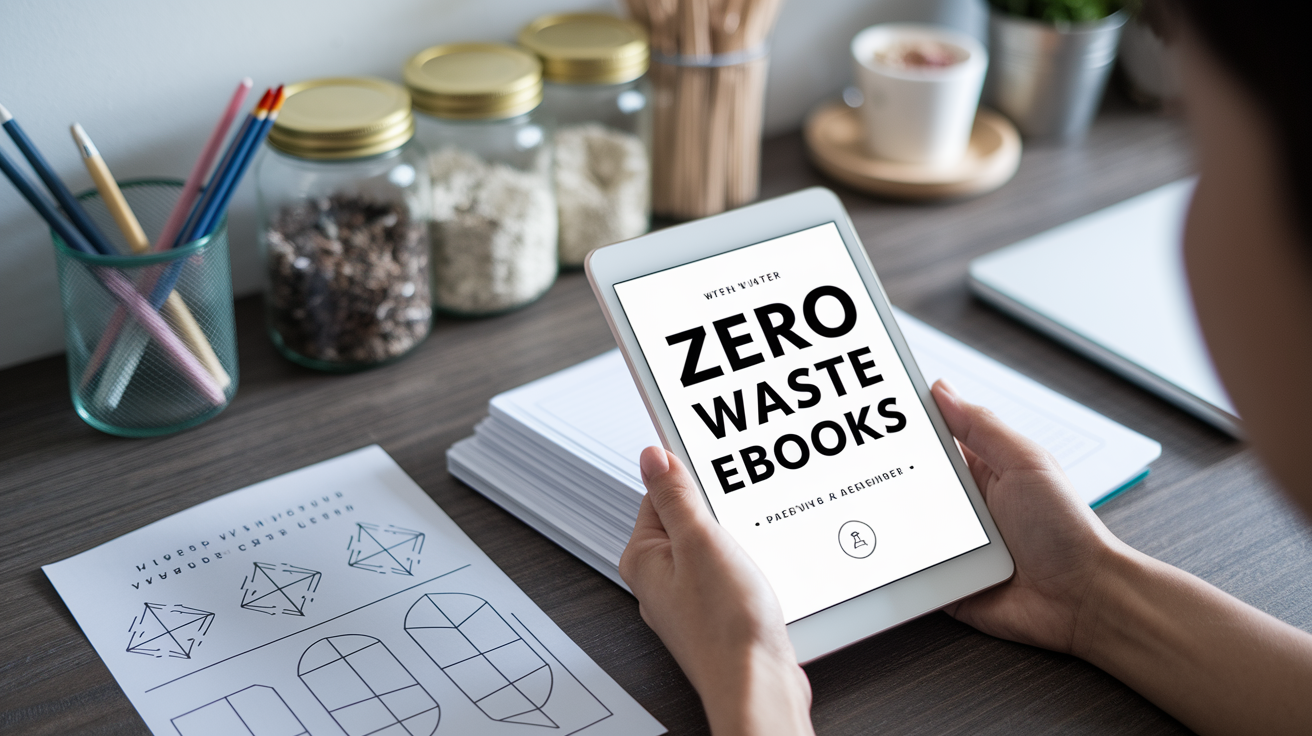

What if cutting your household trash by half didn’t mean giving up conveniences or living like a hermit?
This beginner ebook gives you the simple steps, not theory.
You’ll get 30-day plans, room-by-room swaps, and DIY recipes with exact measurements so you can use them today.
It shows file formats, printable checklists, and time frames that fit a busy home or small apartment.
In short, this guide helps you start a more sustainable life, bite size and practical, and something you can finish in a weekend.
Best Beginner Options for a Zero Waste Living Ebook (Clear Recommendations & What to Expect)
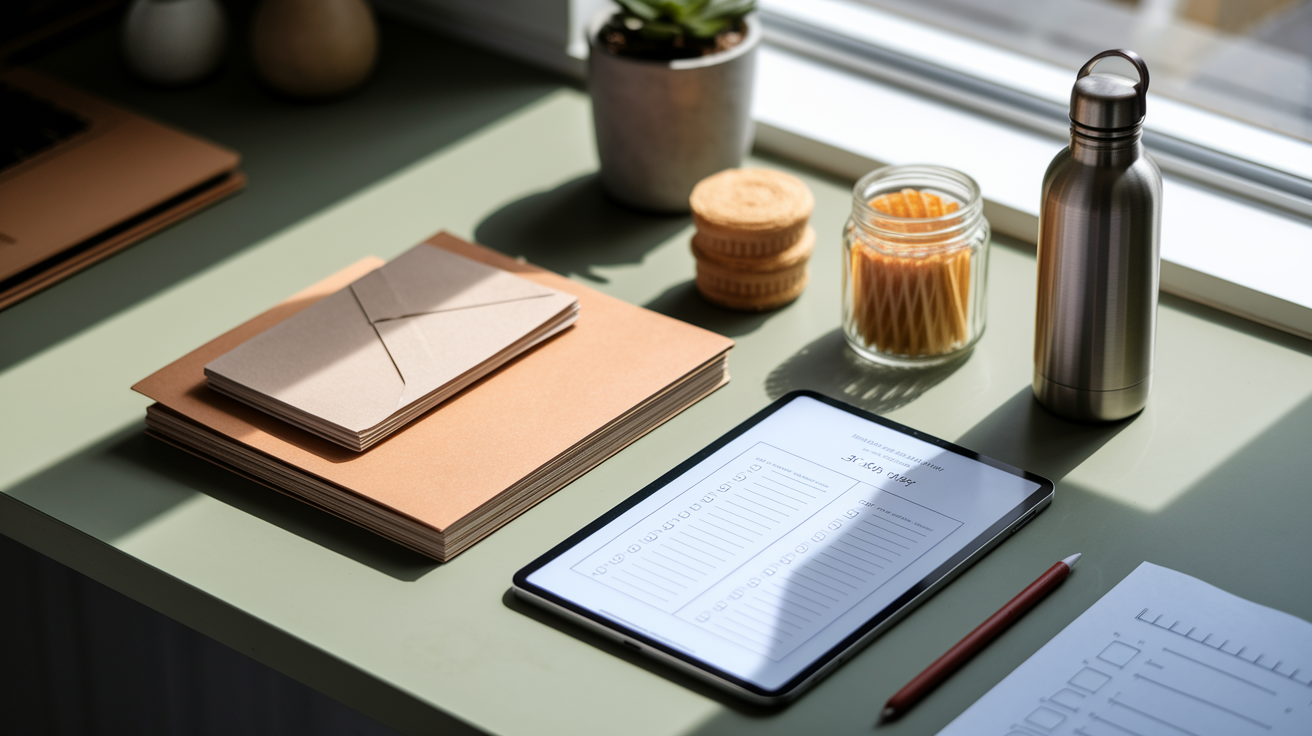
A good beginner ebook does more than cheer you on. You want files with numbered daily actions, DIY recipes that list actual quantities, room by room checklists, and downloadable printables you can use the same day. Most beginner friendly zero waste ebooks run 30 to 150 pages, and the best ones break tasks into bite size steps instead of burying you in theory.
You’ll find ebooks in PDF, EPUB, and MOBI formats. Many offer instant downloads or library app access through platforms like OverDrive and BorrowBox. Pricing usually sits between free and $14.99 for single ebooks, while bundles that include printables and 30 day action plans can reach $29.99. If you’re not ready to buy, check your library’s digital collection first. Several popular titles are available as ebooks or eaudiobooks at no cost.
When you’re choosing, focus on structure. Ebooks built around a 30 day plan, a year of weekly tips, or room by room swaps give you a clear starting point and cut down on decision fatigue. The best beginner ebooks include 10 to 30 DIY cleaning and personal care recipes, 25 to 100 specific product swaps, and at least 5 to 15 printable checklists or labels so you’re not reinventing things every week.
Here are five beginner friendly formats that show up consistently in reader recommendations:
30 day step by step guides – One small habit or swap per day, usually with illustrations and minimal jargon. Best if you like daily check ins and visual progress.
365 bite size tips format – A quick tip for every day of the year. Easy to dip in and out. Good for people who get overwhelmed by long manuals.
Comprehensive manuals with recipes and how to’s – Deeper dives into shopping, mending, composting, weddings, babies, and activism. Takes more time but covers nearly everything.
Family focused DIY and self sufficiency ebooks – Emphasize growing food, preserving, and hands on projects for households with kids or backyard space.
Zero waste cookbooks – Hundreds of recipes designed to use up scraps and jar dregs. Some include banana peel cakes and other creative salvage cooking. Best if food waste is your main frustration.
Zero Waste Lifestyle Foundations Explained (Beginner Ebook Core Concepts)
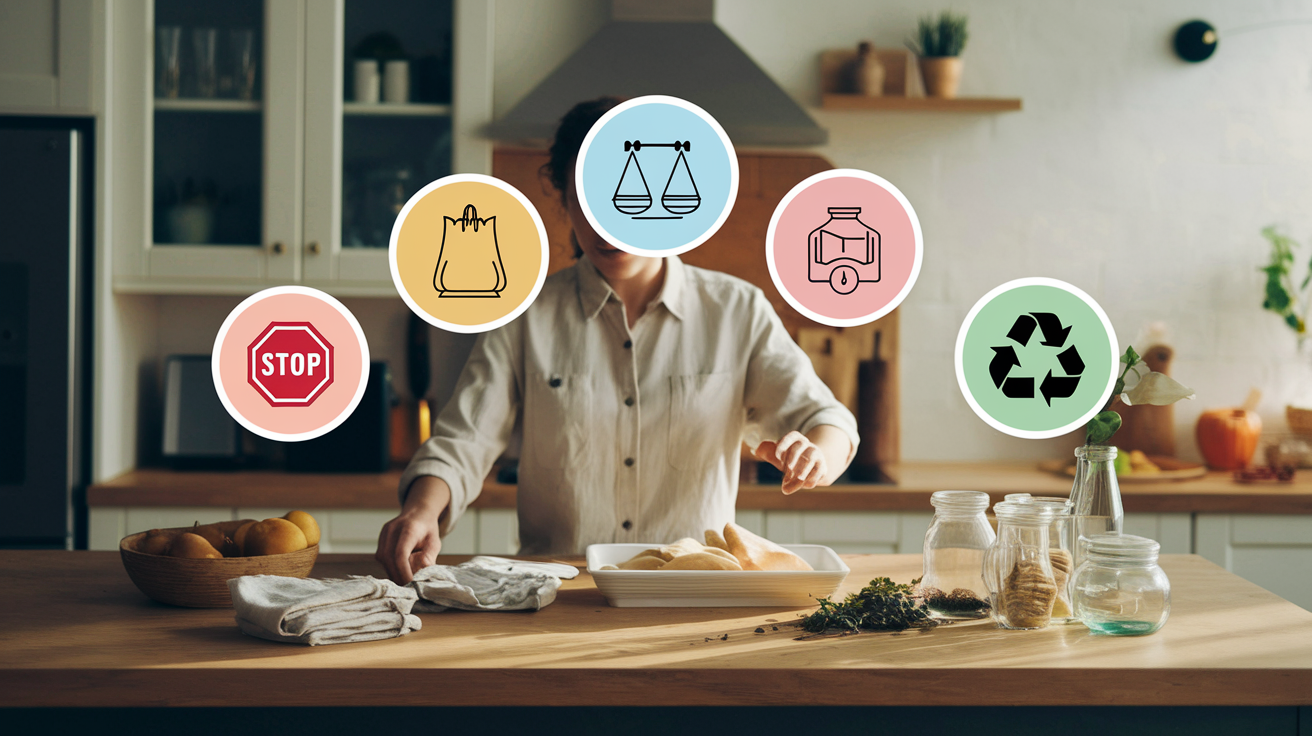
Most beginner ebooks organize zero waste around five core actions often called “Refuse, Reduce, Reuse, Recycle, Rot.” These aren’t strict rules. They’re decision filters that help you shrink your trash footprint one choice at a time.
Refuse means turning down things you don’t need before they enter your home, like plastic bags and disposable cutlery. Reduce focuses on buying less overall and choosing quality items that last. Reuse replaces single use products with durable alternatives such as cloth napkins, stainless steel water bottles, and beeswax wraps. Recycle comes fourth, not first, because reducing waste is always more effective than processing it. Rot refers to composting food scraps and yard waste instead of sending organic material to the landfill.
Beginner ebooks spend three to five pages walking through these pillars, then shift into practical routines. The best guides emphasize progress over perfection and include daily or weekly tracking so you can see landfill waste drop by 25 to 75 percent over 30 to 90 days. You’re not aiming to produce zero trash overnight. Most households start by tackling one category at a time, like kitchen swaps or bathroom replacements, and build from there.
Nearly all beginner ebooks teach these foundational habits:
Refuse single use items – Practice saying no to plastic straws, shopping bags, and disposable coffee cups before they reach your hands.
Plan grocery trips with lists – Meal planning cuts impulse buys and food waste, and a written list keeps you focused on what you’ll actually eat.
Compost food scraps – Outdoor bins handle yard waste and kitchen scraps. Indoor vermicomposting with worms works in apartments and small spaces.
Buy in bulk when possible – Bring your own jars or cloth bags to refill staples like grains, pasta, and spices, skipping single use packaging.
What Beginner Zero Waste Ebooks Typically Include (Formats, Length & Features)

Beginner zero waste ebooks usually land between 30 and 150 pages, with most running closer to 40 to 80 pages when they focus on a single topic like kitchen swaps or personal care DIYs. You’ll receive the file as a PDF, EPUB, or MOBI download, and many ebooks bundle 10 to 25 printable tools. Shopping lists, storage labels, waste audit logs, and weekly habit checklists so you don’t need to design your own tracking sheets.
The best ebooks include a 30 day plan that breaks the transition into 30 numbered daily tasks, each requiring one to three steps. This structure works well for beginners because you’re never staring at a blank page wondering what to do next.
Room by room chapters are common. Kitchen sections list up to 20 swaps and storage ideas, bathroom chapters cover 6 to 15 replacements plus DIY personal care recipes, and laundry sections offer 5 to 10 cleaner formulas and reusable alternatives. Most guides also include 25 to 100 specific shopping swaps, like choosing bar soap over bottled body wash or switching to refillable cleaning concentrates, and 8 to 20 photos or diagrams showing how swaps look in real cupboards and drawers.
DIY recipe sections typically feature 10 to 30 formulas for cleaners, toothpaste, deodorant, and laundry soap, with exact ingredient quantities, estimated yields, and shelf life notes so you know how long a batch will last. For example, a multipurpose cleaner might call for 1 cup water, 1 cup white vinegar, and 10 drops of essential oil, with a reminder to avoid using it on stone countertops. Safety appendices often include dilution ratios and conversion tables, and many ebooks provide a sample chapter upfront, usually 5 to 10 pages, so you can check tone and detail level before buying.
| Feature | Typical Range | Why It Helps Beginners |
|---|---|---|
| Ebook length | 30–150 pages (most 40–80) | Short enough to finish in a weekend. Long enough to cover essentials without leaving gaps. |
| Printable tools | 5–25 files (checklists, labels, audit sheets) | Saves setup time. Lets you track progress on paper or hang lists inside cupboards. |
| DIY recipes | 10–30 formulas with quantities and shelf life | Replaces guesswork. Ingredient lists and safety notes prevent waste and mistakes. |
| Room by room strategies | 10–30 actionable swaps per room | Breaks big goals into manageable spaces. You can finish one room before starting the next. |
Comparing Popular Zero Waste Beginner Ebooks (Quick View Breakdown)

Different ebooks suit different starting points. Some readers want a visual introduction with color photos and clear structure, while others prefer a comprehensive manual they can work through over several months. A third group does best with daily or weekly prompts that feel less like homework and more like a gentle nudge. Knowing which format matches your schedule and learning style will save you from buying an ebook that sits unread on your device.
The list below covers eight beginner friendly titles that show up frequently in reader recommendations and library digital collections. Several are available as ebooks or eaudiobooks through platforms like OverDrive and BorrowBox, so you can borrow before deciding to buy.
| Title | Best For | Distinguishing Features |
|---|---|---|
| Zero Waste (primer) | Absolute beginners who want a visual, structured introduction | Color photographs, non judgmental tone, solutions focused explanations of principles and practical alternatives |
| Waste Not (comprehensive manual) | Readers wanting in depth guidance on food shopping, reusables, weddings, babies, mending, and activism | Recipes, step by step how to’s. Takes time to work through due to volume of content |
| Waste Not Everyday (companion book) | People intimidated by long manuals who prefer quick daily inspiration | 365 tips (one per day), simple recipes, dip in and out format published roughly one year after the main title |
| A Zero Waste Life in 30 Days | Readers who like habit frameworks and compact presentation | 30 day format focused on mindset and behavior change, illustrated (not photo heavy), bite size tips |
| Live Green | Beginners wanting broad sustainable living ideas in digestible weekly prompts | Palm sized book, 52 weekly ideas across six sections (Green Home & Garden, Eco Household, Eat Green, Slow Fashion, Natural Beauty, Simple Christmas), full color illustrations, recipes and how to’s included |
| The Family Guide to Waste Free Living | Families or people wanting to go beyond swaps into gardening and home production | DIY and self sufficiency emphasis. Covers growing food, preserving, and doing more from scratch. Example household lived on an 850 m² block with three daughters |
| Less Stuff (decluttering focus) | Readers who feel they have too much and want practical decluttering tied to waste reduction | Step by step approach to reducing belongings and finding new homes for items. Published 2019 |
| Simplicious Flow (zero waste cookbook) | Cooks with some kitchen confidence who want extensive food waste reduction recipes | 348 recipes including banana peel cake and three page spread on using up jar dregs. Includes meat, fish, eggs, and dairy (may not suit strict plant based readers). Size may overwhelm absolute beginners |
Practical Skills You’ll Learn from a Zero Waste Ebook (Real Home Examples)

Beginner ebooks teach specific, repeatable actions you can start using the same day you download the file. You’ll learn how to refuse single use plastics by carrying cloth bags, stainless steel cutlery, and a reusable water bottle in your daily bag. Most guides walk you through composting options. Outdoor bins for yard and food waste or indoor vermicomposting with worms if you live in an apartment or rental with limited outdoor access. Bulk shopping chapters explain how to bring your own jars or cloth bags to refill stations for staples like grains, pasta, and spices, and many include scripts for asking store staff about refill policies.
DIY cleaning and personal care recipes make up a large portion of beginner ebooks, with 10 to 30 formulas covering everything from multipurpose spray to laundry soap and deodorant. A typical all purpose cleaner calls for 1 cup water, 1 cup white vinegar, and 10 drops of essential oil. You’ll also find recipes for glass cleaner, toilet scrub, and floor wash, each listing ingredient quantities and shelf life. Upcycling and storage tips show you how to reuse glass jars for pantry staples, convert old clothing into cleaning rags or reusable shopping bags, and organize your kitchen with beeswax wraps, silicone bags, and glass containers instead of disposable plastic wrap and sandwich bags.
Core beginner skills you’ll practice:
Setting up a home composting system – Outdoor bins for backyards or balcony vermicomposting bins with worms for apartments. Includes troubleshooting odor and moisture.
Swapping single use products for reusables – Cloth napkins, produce bags, beeswax wraps, stainless steel bottles, rechargeable batteries, and refillable toiletry containers.
Making DIY cleaning products from pantry ingredients – Formulas using vinegar, baking soda, castile soap, and essential oils. Includes safety notes for surfaces like stone and wood.
Planning meals and managing food storage – Weekly meal plans that reduce food waste, plus glass container and cloth wrap storage methods to keep produce fresh longer.
Shopping in bulk and navigating refill stations – Bringing jars and bags to bulk sections. Finding package free or low waste brands. Comparing per unit costs.
Identifying and avoiding common purchase mistakes – Spotting greenwashing, choosing durable items over cheap multiples, and learning when to repair instead of replace.
Room by Room Guide Inside Most Zero Waste Ebooks (Kitchen, Bathroom, Laundry & More)
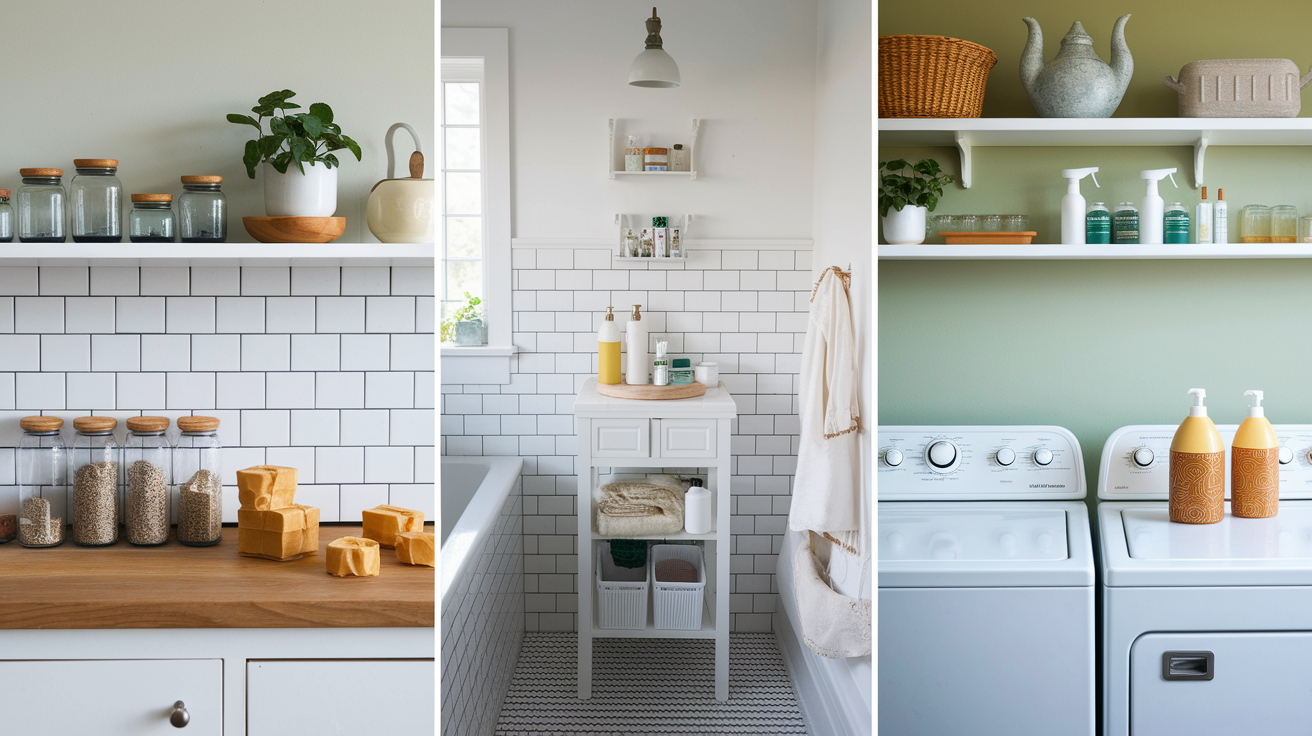
Most beginner ebooks organize practical advice by room, starting with the kitchen because that’s where households generate the most waste. Each chapter includes specific swaps, storage ideas, and shopping lists, with quantities and approximate costs so you can budget before you buy. Room by room structures make it easier to finish one area before moving to the next, and they prevent the overwhelm that comes from trying to overhaul your entire house at once.
Kitchen chapters are usually the longest, covering 12 to 20 swaps and habits. You’ll find guidance on switching from plastic wrap to beeswax wraps, replacing disposable paper towels with cloth napkins and cleaning rags, storing leftovers in glass containers instead of zipper bags, and buying produce loose or in reusable mesh bags. Many ebooks include a shopping list of 10 to 30 items. Jar sets, produce bags, beeswax wraps, silicone storage bags, compost bins, with price ranges from $2 to $35 per item. Bathroom sections focus on 8 to 15 swaps plus 6 DIY personal care recipes for items like toothpaste, deodorant, and shampoo bars. Laundry and cleaning chapters offer 5 to 10 cleaner recipes and reusable alternatives like wool dryer balls and washable cleaning cloths. Living area sections cover gifting, toys, and decluttering, with about 5 tips each for reducing waste in spaces that don’t involve food or personal care.
Kitchen Strategies
Kitchen chapters teach meal planning, bulk shopping, and food storage using glass jars, beeswax wraps, and silicone bags. You’ll find swap lists for single use items like plastic wrap, sandwich bags, and paper towels, plus guidance on composting food scraps and choosing package free staples. Some ebooks include recipe sections with up to 348 ideas for using up scraps and jar dregs. One notable example features a banana peel cake that salvages what most people throw away.
Bathroom & Personal Care Replacements
Bathroom sections cover 8 to 15 swaps, including bar soap instead of bottled body wash, shampoo bars or refillable concentrates instead of plastic bottles, safety razors instead of disposable cartridges, and reusable cotton rounds or washcloths for makeup removal. Six or more DIY recipes typically appear here. Toothpaste, deodorant, body scrub, and lotion, with ingredient lists, quantities, and shelf life notes. You’ll also find tips on refill stations for lotions and soaps if your area has them.
Laundry & Cleaning Systems
Laundry and cleaning ebook sections offer 5 to 10 DIY cleaner recipes plus reusable alternatives to disposable products. Expect formulas for laundry soap (powder or liquid), stain removers, multipurpose sprays, and floor cleaners, along with guidance on switching to wool dryer balls, washable microfiber or cotton cleaning cloths, and refillable spray bottles. Many guides include safety notes for mixing ingredients and using vinegar based cleaners on different surfaces.
Living Areas & Household Habits
Living area chapters handle gifting, toy organization, and general decluttering. You’ll find about 5 tips per category. Choosing experiences over things for gifts, borrowing or buying secondhand toys, setting up donation stations for items leaving your home, and using cloth bags or baskets for storage instead of buying new plastic bins. These sections are shorter but help extend zero waste habits beyond the kitchen and bathroom.
How to Choose the Right Zero Waste Ebook for Your Needs

Start by deciding whether you want bite size inspiration or a deep dive manual. If you get overwhelmed by long books, choose an ebook built around 365 daily tips or 52 weekly ideas. You can dip in and out without losing your place. If you prefer working through a structured plan, look for a 30 day guide with numbered daily actions or a comprehensive manual that includes recipes, step by step how to’s, and room by room checklists. Families with backyard space or interest in growing food will get more value from ebooks emphasizing DIY and self sufficiency, while renters or apartment dwellers should prioritize guides focused on swaps, composting with worms, and refill shopping.
Check credibility signals before you buy. Publication year, edition number, author background or sustainability credentials, and reader ratings averaging 4.0 to 4.8 stars across 20 to 500 reviews. Most reputable ebooks offer a free sample chapter, usually 5 to 10 pages, so you can assess tone, detail level, and whether the instructions match your skill level. If the ebook includes printables or a 30 day plan, confirm the file format works with your devices. PDFs are universally readable, but EPUB and MOBI require compatible e readers or apps.
Key evaluation criteria:
Tone and beginner friendliness – Does the ebook sound like a friend helping you figure things out, or does it assume you already know the basics?
Depth and scope – Are you looking for quick swaps and shopping lists, or do you want DIY recipes, composting systems, and mending tutorials?
Format and printables – Does the ebook include downloadable checklists, labels, and tracking sheets, or is it text only?
Skill level and time commitment – Can you complete the plan in 30 days with 10 minutes a day, or does it require weekend projects and hands on DIY?
Zero Waste Ebook Tools: Checklists, Printables & Tracking Sheets

Many beginner ebooks include 10 to 25 printable items that extend the usefulness of the core content. These tools help you track progress, organize your pantry, plan shopping trips, and build new routines without starting from scratch. Waste audit logs are particularly valuable. They let you record the weight or volume of trash you produce each week, and most users who track consistently see landfill waste drop by 25 to 75 percent over 30 to 90 days. Shopping lists formatted for bulk stores or refill stations save time when you’re standing in the aisle trying to remember what you need, and storage labels help you identify jars of pantry staples at a glance.
Other common printables include 30 day plan calendars with daily checkboxes, weekly habit trackers for routines like composting and meal planning, refusal scripts you can practice before turning down single use items, and room by room checklists so you can mark off swaps as you complete them. These tools work best when you print them once, fill them out by hand, and keep them visible. On the fridge, inside a cupboard door, or clipped to a household binder. Digital versions are fine, but paper checklists tend to get more consistent use because they’re always in view.
| Tool Type | Typical Purpose | Included In |
|---|---|---|
| Waste audit log | Track weekly trash volume or weight. Measure progress toward 25–75% reduction | Most comprehensive beginner ebooks and 30 day plans |
| Shopping lists (bulk/refill) | Pre formatted lists for refill stations and bulk aisles. Includes common staples and quantities | Ebooks focused on shopping, meal planning, or kitchen swaps |
| Storage labels | Printable labels for glass jars, cloth bags, and pantry containers. Keeps ingredients visible and organized | Room by room guides and DIY focused ebooks |
| 30 day plan calendar | Daily checkboxes for numbered tasks. Builds momentum and tracks completion | Ebooks built around 30 day habit frameworks |
| Weekly habit tracker | Log composting, meal planning, bulk shopping, and other routines. Identifies patterns and gaps | Beginner guides emphasizing behavior change and progress tracking |
Final Words
Start flipping through a 30-day plan or bookmarking a few quick-tip pages. You’ve seen the most useful beginner formats: 30-day guides, 365 tips, DIY recipes, room-by-room swaps, and printable checklists.
Expect PDFs and EPUBs with 10–30 recipes, step-by-step tasks, and simple tracking sheets. Choose by tone, length, and whether you want daily prompts or a full manual.
A zero waste living ebook for beginners can cut waste without overwhelm. Pick one, start small, and enjoy the progress.
FAQ
Q: What does a beginner zero waste ebook typically include?
A: A beginner zero waste ebook typically includes 30–150 pages with step-by-step plans, 30‑day challenges, room-by-room checklists, 10–30 DIY recipes, printable tools, and practical tips you can use right away.
Q: Which ebook format should I choose for zero waste guides?
A: The best ebook format depends on your device: PDF for printing, EPUB/MOBI for e-readers, and printable checklists for quick use; all offer instant digital access and often downloadable files.
Q: What types of beginner-friendly zero waste ebooks are available?
A: Beginner-friendly ebook types include 30‑day plans, 365 quick‑tips, family DIY guides, comprehensive manuals with recipes, and cookbook-style waste reduction books for hands-on swaps and meals.
Q: How do I choose the right zero waste ebook for my needs?
A: To choose the right ebook, look at tone, depth, sample chapters, author credibility, review scores, printable tools, and whether it matches your time, household size, and skill level.
Q: What practical skills will I learn from a beginner zero waste ebook?
A: From a beginner ebook you’ll learn composting basics, refusing single‑use items, bulk shopping with jars, DIY cleaning/personal‑care recipes, meal planning, upcycling, and simple storage techniques.
Q: How long before I see waste reduction results using an ebook plan?
A: You can expect measurable waste reduction: many guides report 25–75% less landfill waste within 30–90 days when you follow daily tasks and track progress with audit tools.
Q: Do beginner zero waste ebooks include printables and tracking tools?
A: Yes — beginner ebooks often include 10–25 printables like waste‑audit logs, shopping lists, 30‑day calendars, labels, and habit checklists to make changes easier and track results.
Q: Are there zero waste ebooks suitable for families and kids?
A: Family-focused ebooks will fit household needs by offering kid-friendly projects, scalable DIY recipes, bulk-shopping tips, and chore-friendly swaps that keep kids involved and reduce waste for the whole family.
Q: What do zero waste ebooks typically cost and are free options available?
A: Beginner ebook prices range from free to about $14.99, bundles up to $29.99, and many titles are available free via libraries and apps like OverDrive or BorrowBox as ebooks or audiobooks.
Q: What room-by-room topics do these ebooks cover?
A: Room-by-room coverage typically maps like this: kitchen (12–20 swaps and storage tips), bathroom (8–15 swaps plus DIY recipes), laundry (5–10 cleaners and alternatives), and living areas (decluttering habits).