



Did you know your dream addition could be blocked by local rules before the first nail is driven?
Before you call a contractor or pick paint, zoning rules often decide whether a project is even allowed.
They set what you can build, how tall it can be, and how close to the property line it must stay.
This post shows the key zoning limits, including use type, setbacks, height, and lot coverage, and why they matter for permits, plus the first checks to do so your renovation doesn’t stall or get torn down.
Core Ways Zoning Rules Shape Renovation Possibilities
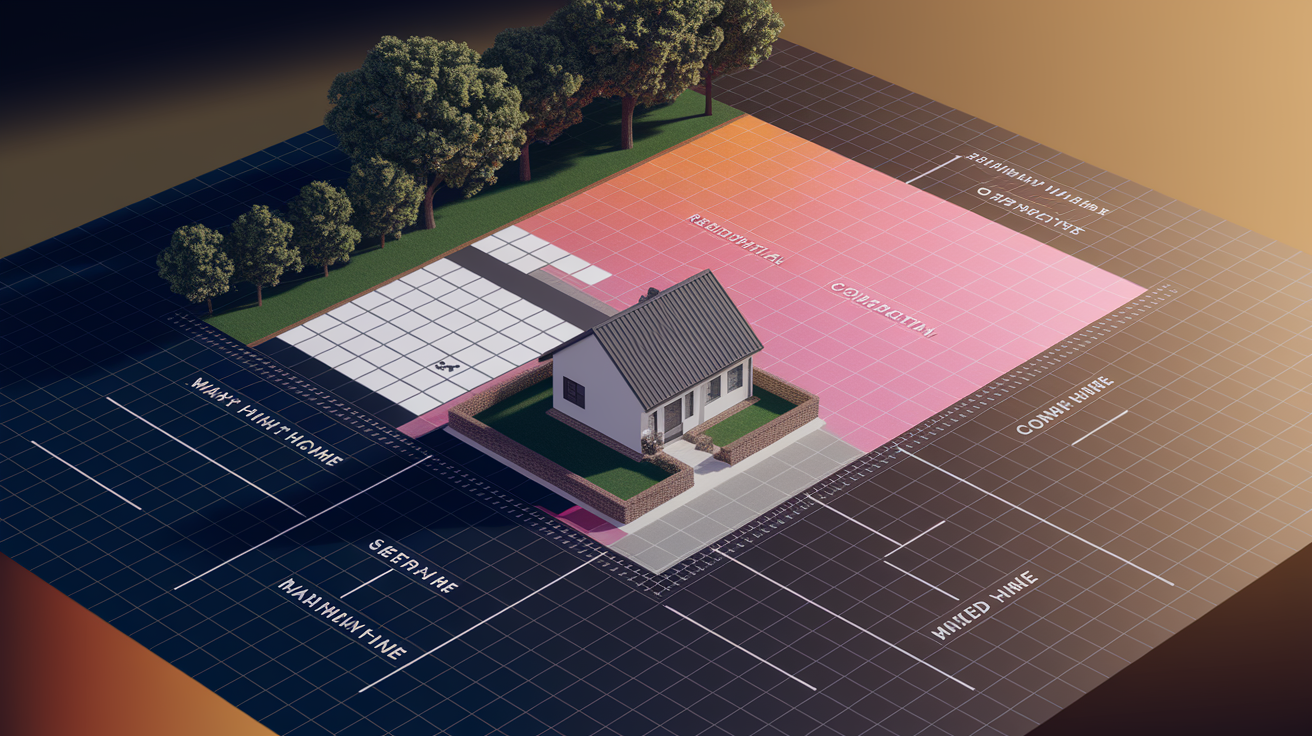
Local zoning ordinances create the framework for what you can and can’t build on your property. Every lot sits inside a designated zone—residential, commercial, agricultural, or mixed-use—and that classification dictates what’s allowed. When you’re planning a home renovation, your first question isn’t budget or timeline. It’s whether your zoning district even permits the work you want to do. A basement remodel? Usually fine. Converting that basement into a rental unit? That can cross into forbidden territory if your neighborhood is zoned strictly for single-family homes.
Zoning codes also set dimensional standards that cap how big, how tall, and where on your lot any addition or change can go. These rules cover building height, total mass, how much of your lot can be covered by structures, and even roof shapes. Dimensional limits directly affect how many square feet you can add, how many stories you can build, and where new construction can sit on your property. Even exterior changes like adding a deck, enclosing a porch, or building a sunroom fall under these rules because they alter your home’s footprint.
Renovation projects that commonly bump into zoning compliance include:
- Room additions that expand your home’s footprint or height
- Accessory dwelling units like in-law suites or garage apartments
- Garage conversions that change parking availability or use classification
- Decks, patios, and outdoor structures that push beyond setback boundaries
- Sunrooms or enclosed porches that increase lot coverage
Zoning shapes whether a project is possible at all. But it also determines how much redesign, documentation, and approval time you’ll need. A renovation that conflicts with local land use restrictions will require either a formal exception or a smaller design before any permit gets issued. Understanding these municipal regulations early sets your scope, avoids expensive rework, and keeps things on schedule.
Residential Zoning Classifications and What They Mean for Renovations
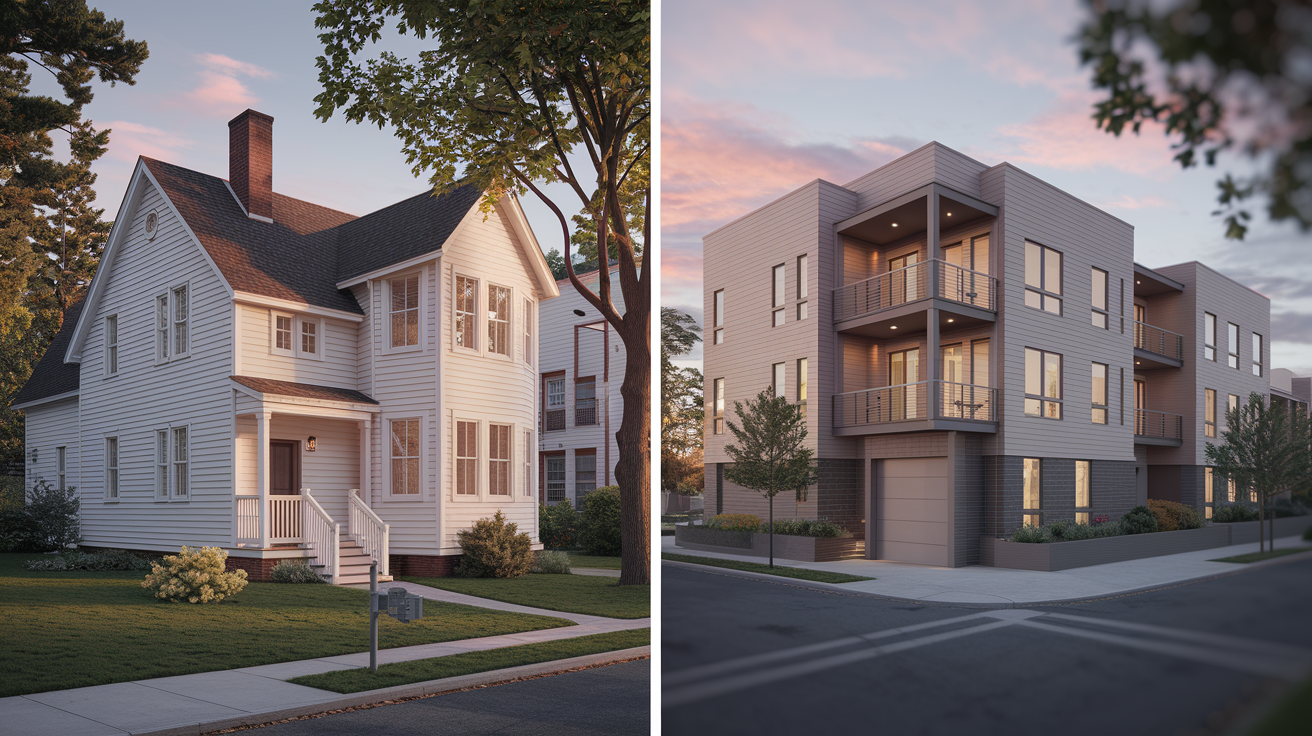
Residential zones break down into categories based on housing density and use intensity. A district zoned R-1 or “single-family residential” typically allows one main dwelling per lot. It restricts separate living units, rental apartments, or home businesses that generate heavy traffic or commercial activity. If your property sits in a single-family zone, converting your garage into a rental studio or splitting your house into a duplex will usually violate permitted use rules, even if the construction itself meets all building codes.
Multi-family or higher-density residential classifications open the door to ADUs, attached units, or secondary structures. But they often come with stricter dimensional controls and parking mandates to manage neighborhood impact. Some municipalities layer additional land use restrictions onto residential zones through overlay districts that protect historic character, limit building materials, or control architectural styles. Before sketching any addition or conversion, confirm your property’s exact zoning designation and permitted uses through your municipal planning department or online zoning map.
How Use Classifications Limit Renovation Options
When a renovation changes how a space gets used—turning a garage into living quarters, finishing a basement for renters, or adding a second kitchen for an in-law apartment—the project crosses from simple construction into land use regulation territory. Lots of single-family zones prohibit accessory dwelling units outright or require conditional-use permits that involve public hearings and neighbor notification. Garage or basement conversions often trigger off-street parking requirements. If you eliminate a garage bay to create a bedroom, zoning could demand you provide a replacement parking space elsewhere on the lot.
Multi-story additions can also run into use limits if upper floors are designed as separate apartments rather than integrated bedrooms. Some codes count each self-contained unit against maximum dwelling density. These restrictions exist to preserve neighborhood character and manage traffic, utility load, and street parking. Even structurally sound plans might require a variance or redesign to satisfy permitted use criteria.
Key Dimensional Restrictions That Control Home Expansion
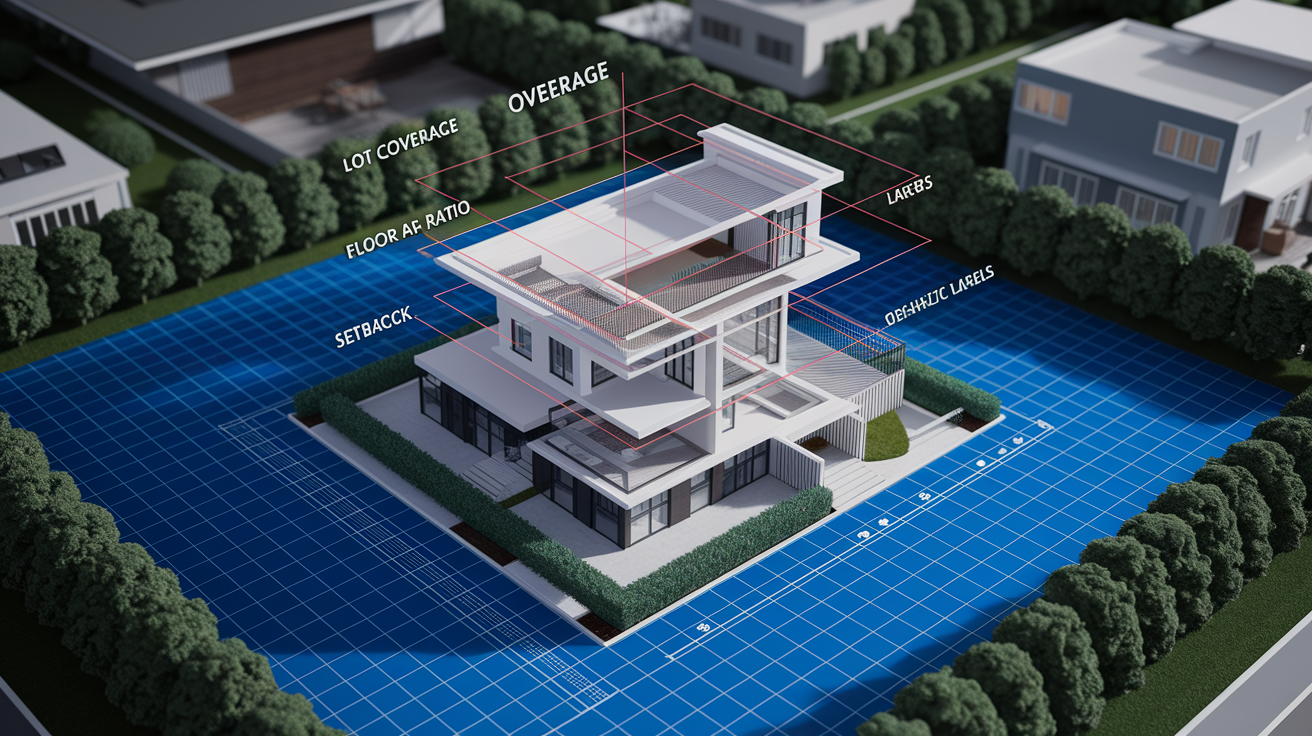
Dimensional zoning regulations set numeric limits on how much of your property can be built on and how tall or close to boundaries any structure can rise. Lot coverage caps the percentage of your parcel that can be occupied by roofs, decks, and paved surfaces. Common limits range from 30% to 50% depending on the district. Adding a 400-square-foot sunroom on a small urban lot might push total coverage over the allowed threshold.
Floor area ratio (FAR) is another metric used in some jurisdictions. It compares total interior square footage across all floors to lot size, effectively capping how large a house can grow regardless of its footprint.
Height restrictions prevent homes from rising beyond a set number of feet or stories, often to protect solar access, preserve views, and keep a consistent roofline across the neighborhood. If your zoning code limits residential structures to 35 feet or two and a half stories, a full third-floor addition or tall rooftop deck will exceed that ceiling. Setback requirements—the minimum distances any structure must maintain from front, side, and rear property lines—define the buildable envelope on your lot. Violating setbacks by even a foot can trigger fines or force you to dismantle the work. One homeowner discovered this when a new deck built 3 feet from the side lot line had to be removed because the code required 5 feet.
| Restriction Type | Typical Impact on Renovation |
|---|---|
| Setbacks (front, side, rear) | Limits where additions, decks, and accessory structures can be placed; encroachments may require removal or variance. |
| Height limits | Caps total building elevation and number of floors; blocks or reduces scope of second-story and attic expansions. |
| Lot coverage percentage | Restricts total area of roofs and hardscape; can prevent large additions or require demolition of existing structures to make room. |
| Floor-area ratio (FAR) | Limits total interior square footage relative to lot size; affects overall home size even if footprint remains small. |
These dimensional controls work together to shape feasible design options. Before finalizing floor plans or signing a contractor agreement, compare your proposed expansion against all four restriction types. Make sure the project fits within the buildable envelope and complies with square footage limitations.
Researching Local Codes Before Designing Renovation Plans

The first step in any compliant renovation is identifying your property’s exact zoning classification and the dimensional rules that apply to your lot. Start by visiting your municipal planning department’s website or office to grab the official zoning map and the text of the zoning ordinance for your district. Lots of cities now offer interactive online tools that let you enter your address and see setback lines, height limits, and permitted uses overlaid on a parcel map. These maps are more reliable than informal neighborhood advice or outdated surveys.
Next, locate a recent property survey or plat that shows your lot boundaries, existing structures, and any recorded easements or rights of way. If you don’t have a survey, hire a licensed surveyor to prepare one before you design an addition. This document will confirm exact distances to property lines and reveal whether prior construction already encroaches on setbacks. With the survey in hand, measure from your home’s current walls to each property line and compare those distances to the setback requirements listed in your zoning code. If your side setback is supposed to be 5 feet and your existing house sits 6 feet from the line, you know you’ve only got 1 foot of room before triggering a violation.
Once you understand the dimensional envelope, prepare a preliminary site plan that shows your proposed addition, deck, or accessory structure in relation to lot lines, existing buildings, and driveways. This rough sketch will help planning staff quickly assess compliance during a pre-application meeting. Schedule that consultation early. Most planning departments offer free or low-cost initial reviews where staff will point out conflicts, suggest design adjustments, and outline the permit requirements and approval timeline for your project. Bringing a site plan and survey to that meeting shows you’ve done your homework and speeds up feedback.
To systematically verify zoning compliance before finalizing designs, follow these steps:
- Confirm your property’s zoning classification using the municipal zoning map or online parcel lookup tool.
- Grab a copy of the zoning ordinance section that governs your district, paying close attention to permitted uses, setbacks, height limits, and lot coverage caps.
- Review setback, height, and coverage rules and note the specific numeric limits (e.g., 20-foot front setback, 35-foot maximum height, 40% lot coverage).
- Prepare or update a property survey showing current lot boundaries, existing structures, driveways, and easements.
- Sketch a preliminary site plan that overlays your proposed renovation onto the survey, marking distances to property lines and calculating new total coverage or floor area.
- Meet with planning staff to review your site plan, confirm permit requirements, and identify any variances or code amendments needed before submitting a formal application.
This research phase can feel slow, but catching a zoning conflict on paper costs way less than discovering it mid-construction when an inspector issues a stop-work order.
Permits, Building Codes, and Required Documentation

Any renovation that adds square footage, alters exterior walls, changes structural elements, or modifies plumbing and electrical systems will require a building permit. Often you’ll also need a separate zoning or planning approval if the project affects lot coverage, height, or use classification. The permit approval process begins when you submit a complete application package to the local building and planning departments. Officials compare your plans against both zoning ordinances (which govern land use, setbacks, and massing) and building codes (which address structural integrity, fire safety, accessibility, energy efficiency, and mechanical systems).
Expect the review to take anywhere from a few weeks to several months depending on project complexity, workload at the municipal office, and whether your design requires a public hearing or zoning board decision. During review, plan examiners can request revisions to bring drawings into compliance with code requirements or zoning limits. Once approved, you’ll receive stamped permits that authorize construction to begin. Inspections occur at key milestones like foundation pour, framing, rough electrical and plumbing, insulation, and final walkthrough. These verify that the built work matches approved drawings and meets safety standards. Only after passing final inspection will the jurisdiction issue a certificate of occupancy or sign-off that allows you to legally use the new or renovated space.
Submitting incomplete or inaccurate documentation is the most common cause of permit delays and rejections. To avoid rework, make sure your application includes all required materials and addresses both zoning compliance and building code criteria from the outset. Working with a licensed architect, engineer, or design-build firm experienced in local regulations significantly reduces the chance of missing a critical detail or submittal requirement.
Required Documents for Zoning and Building Review
A complete permit application typically includes a site plan (also called a plot plan) that shows the lot boundaries, existing structures, proposed addition or alteration, setback dimensions, driveway and parking areas, and any easements or flood zones. Architectural drawings provide floor plans, elevations, and cross-sections that illustrate room layouts, ceiling heights, window and door locations, and exterior materials. Structural details like beam sizes, foundation specifications, and load calculations demonstrate that the renovation will safely support new floors, roofs, or walls.
If your property lies in a flood-prone area, you might need to include flood prevention measures such as elevated foundations or waterproofing details. Accessibility documentation, stair and railing configurations, energy compliance worksheets, and fire-rated assembly specifications round out the package. All of this ensures the project meets every facet of the building code and zoning ordinance before construction begins.
Variances and Appeals When Renovations Don’t Meet Zoning Rules

When your renovation plan conflicts with setback, height, lot coverage, or use restrictions, you’ve got two options. Redesign the project to comply, or apply for a variance that grants a limited exception to the zoning rule. A variance isn’t automatic. It requires a formal application, supporting documentation, and a public hearing before a zoning board of appeals or adjustment. To win approval, you must demonstrate that strict enforcement of the zoning code creates an unusual hardship specific to your property. Things like irregular lot shape, steep topography, or the presence of easements that make a compliant design impractical.
The board will also weigh whether granting the variance harms the neighborhood or undermines the purpose of the zoning ordinance. If surrounding properties would lose light, privacy, or access, or if the exception sets a precedent that erodes community character, the board is likely to deny the request. Public notification rules require that you inform adjacent property owners of the hearing, and neighbor objections can influence the outcome. If the variance is denied, you’ll need to revise your plans to meet the code or abandon the project. If approved, the decision is usually recorded as a condition on your property deed and the permit can proceed.
Filing a variance application involves fees, detailed justification, revised site plans, and often professional input from an architect or land use attorney. The process can add weeks or months to your timeline, so pursue a variance only when redesign is genuinely impossible. In some cases, a minor modification like shifting an addition a few feet, lowering a roofline, or reducing square footage will bring the project into compliance and avoid the variance process entirely.
Typical justifications accepted by zoning boards include:
- Irregular lot configuration (narrow, pie-shaped, or landlocked parcels) that prevents a standard setback layout
- Topographic constraints such as steep slopes, rock outcroppings, or drainage easements that limit buildable area
- Preexisting nonconforming structures that make compliant additions impossible without demolishing the original house
- Minimal impact on neighbors, demonstrated by sight line studies, shadow analyses, or letters of support from adjacent property owners
Even with strong justification, variance approval is never guaranteed. Budget time and contingency plans for both outcomes.
Renovation Types Most Commonly Impacted by Zoning Laws
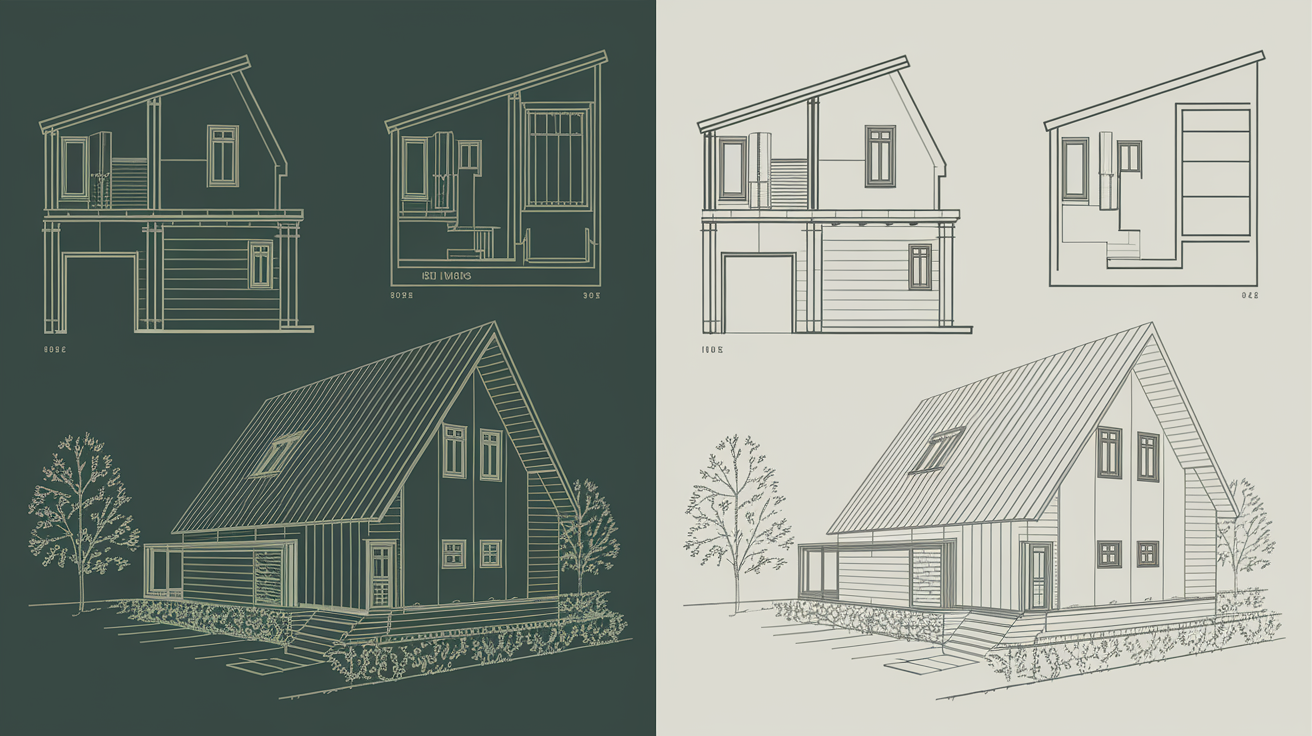
Certain home renovation projects trigger zoning scrutiny more often than others because they expand the building envelope, change permitted use, or increase density. Room additions that extend the footprint of the house must comply with setback rules and lot coverage limits. A modest 200-square-foot bump-out can push total coverage over the allowable percentage on a small urban lot. Second-story additions raise height concerns and might require approval if they exceed the district’s maximum elevation or alter roofline aesthetics in a way that clashes with neighborhood character.
Accessory dwelling units (whether carved out of a garage, basement, or built as a standalone cottage) face the strictest zoning barriers. Many single-family districts prohibit ADUs entirely. Others allow them only through conditional-use permits that impose size caps, owner occupancy requirements, and off-street parking mandates. Garage conversions eliminate existing parking, often triggering zoning rules that require replacement spaces. If your lot lacks room for a new driveway pad, the conversion could be blocked.
Sunrooms, enclosed porches, and finished basements generally comply as long as they don’t add separate kitchens or entrances that suggest a second dwelling unit. But any addition that increases the home’s total square footage counts against FAR and lot coverage limits.
Common renovation categories that frequently require zoning review or variances:
- Room additions – Bump-outs, family room extensions, and primary suite additions that increase footprint and test setback and coverage limits.
- Second-story builds – Vertical expansions that approach or exceed height caps and may require design review in historic districts.
- Accessory dwelling units – In-law apartments, garage studios, and basement rentals that often conflict with single-family use restrictions and parking rules.
- Garage conversions – Transforming parking bays into living space, which can violate parking minimums and trigger use classification questions.
- Decks and outdoor structures – Platforms, pergolas, and screened porches that extend beyond rear or side setbacks.
- Finished basements – Below-grade living spaces that comply when used as recreation rooms but cross into ADU territory if equipped with separate kitchens and exits.
- Commercial to residential conversions – Adaptive reuse projects in mixed-use or commercial zones that require rezoning or conditional-use permits to allow residential occupancy.
Before committing to any of these project types, confirm that your zoning district permits the work and that your lot has enough dimensional leeway to accommodate the design.
Consequences of Zoning Violations During Renovations

Building without the required zoning approval or permit exposes you to a cascade of legal and financial penalties. Code enforcement officers can issue stop-work orders that halt construction immediately, leaving your home half-finished and uninhabitable until you resolve the violation. Fines accumulate daily in many jurisdictions. $100 to $500 per day is common, and they continue until you either obtain retroactive permits, apply for a variance, or dismantle the unpermitted work. In extreme cases, municipalities can file liens against your property or pursue legal action to compel compliance.
Unpermitted work also creates problems at resale. Title companies and buyer lenders routinely request proof that major renovations were permitted and inspected. Missing documentation can delay closing, reduce the sale price, or kill the deal entirely if the buyer’s lender refuses to finance a home with code violations. Even if you disclose the unpermitted addition, prospective buyers will factor in the cost and risk of seeking after the fact permits or removing the work. That often results in a steep discount or lost offers.
One real-world example involved a homeowner who built a deck extending 3 feet from the side property line in a district requiring a 5-foot side setback. A neighbor complaint triggered a code inspection, and the homeowner received an order to remove the deck or apply for a variance. The variance was denied because the lot was large enough to relocate the deck into the compliant setback zone. The owner ultimately dismantled the structure, forfeited the construction cost, and paid municipal fines.
Potential consequences of zoning violations include:
- Immediate stop-work orders that freeze construction and prevent occupancy until compliance is restored
- Daily fines that accumulate rapidly and can total thousands of dollars over weeks or months
- Forced removal or modification of unpermitted structures, with costs borne entirely by the property owner
- Legal disputes, court injunctions, or municipal liens that encumber the property title and complicate future sales or refinancing
The best protection against these outcomes is getting all required permits and zoning approvals before starting work, even for projects that feel minor or cosmetic. If you discover existing unpermitted work during a pre-purchase inspection or renovation planning, consult a zoning professional to evaluate your options for legalization or disclosure.
Working With Planning Professionals and Local Authorities

Navigating zoning ordinances, dimensional calculations, and permit workflows is easier and faster with professional support. Licensed architects bring design expertise and familiarity with local codes. They can draft compliant site plans, prepare variance justifications, and submit permit applications on your behalf. Land use attorneys specialize in zoning law and represent clients at board hearings, negotiate with planning staff, and challenge denials through administrative appeals. Design-build firms combine architectural design and construction management, streamlining the process by handling both code research and physical execution under one contract.
For straightforward projects (an addition that clearly fits within setbacks, a deck that doesn’t exceed lot coverage), direct interaction with the municipal planning department might be enough. Schedule a pre-application meeting to review your rough plans, confirm submittal requirements, and ask about typical approval timelines. Planning staff can also alert you to upcoming zoning changes, neighborhood overlays, or recent board decisions that might affect your project. Building inspectors verify compliance during construction, checking framing, electrical rough-ins, and final finishes against approved drawings and code standards. Maintaining open communication with inspectors prevents surprise failures and expensive rework.
When to Hire a Zoning Professional
Engage an architect, land use consultant, or zoning attorney when your project involves any of the following: applying for a variance or conditional-use permit; renovating in a historic district with design review requirements; converting use classifications (residential to commercial or single-family to multi-unit); navigating complex setback conflicts on irregular lots; or appealing a permit denial or zoning board decision. Professional help is also smart if you’re unfamiliar with local regulations, lack time to research codes and attend hearings, or face opposition from neighbors or community groups. The upfront cost of expert guidance is almost always lower than the expense of redesigning after a rejection, paying fines for violations, or losing a sale because of unpermitted work.
Real Renovation Case Studies Illustrating Zoning Impacts
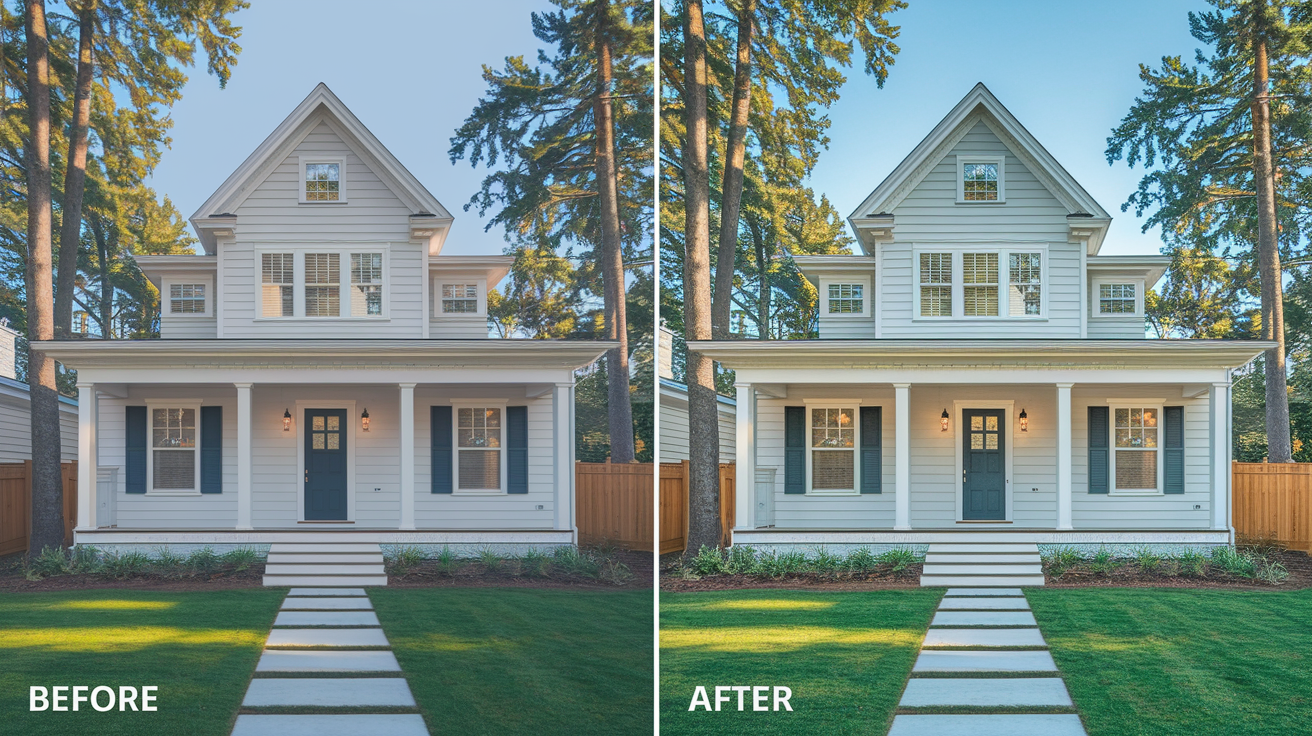
A homeowner in a suburban single-family district planned a compliant sunroom addition by first obtaining a survey and confirming that the 12-by-16-foot structure would sit 8 feet from the rear property line, exceeding the required 5-foot setback, and would increase lot coverage from 32% to 38%, still below the 40% cap. The owner submitted a site plan and architectural drawings to the planning department, received zoning and building permits within six weeks, and completed the project with all required inspections. Because the design respected dimensional limits and didn’t alter the home’s use classification, no variance or hearing was necessary. The sunroom added value without legal complications.
In contrast, another property owner built a deck extending to within 3 feet of the side lot line in a zone requiring a 5-foot side setback. A neighbor filed a complaint with code enforcement after noticing the encroachment. The municipality issued a violation notice and required the owner to either apply for a variance or remove the deck. At the zoning board hearing, the owner argued that the deck’s placement was necessary to access the backyard, but the board denied the variance because the lot had ample space to relocate the deck into the compliant setback area. The homeowner dismantled the deck, absorbed the construction loss, and paid approximately $2,000 in fines and permit fees for the removal.
A third case involved a renovation project at 5420 Galena Place NW, where the owners worked with a design-build team to add a second story in a historic overlay district. The planning department required submission of exterior material samples, window proportions, and roofline details to ensure the addition matched the neighborhood’s architectural character. After two rounds of design review and approval from the historic preservation board, the project received permits and proceeded without violations. The collaborative approach and early engagement with review authorities prevented delays and ensured the finished addition enhanced both the home’s value and the streetscape.
| Case | Issue | Outcome |
|---|---|---|
| Suburban sunroom addition | Owner confirmed setback and lot coverage compliance before design; submitted complete permit application | Approved in six weeks; project completed without violations or delays |
| Side-yard deck encroachment | Deck built 3 feet from property line in zone requiring 5-foot setback; neighbor complaint triggered enforcement | Variance denied; deck dismantled; owner paid fines and removal costs |
| Historic-district second story (5420 Galena Place NW) | Addition required design review for materials and architectural compatibility in overlay zone | Two review cycles; approval granted after material samples and elevations satisfied preservation board; project completed successfully |
Final Words
You’re in the thick of a project. The post showed the three core zoning levers, including what uses are allowed, the dimensional rules that limit size and shape, and how much of your lot you can build on.
We also covered classifications, permits, variances, common projects affected, and the risks of unpermitted work.
Knowing how local zoning laws affect home renovations helps you scope the job, set a realistic timeline, and avoid surprises. Do a little research, talk to planning staff or a pro, and you’ll keep the project moving, one sensible step at a time.
FAQ
Q: How do local zoning laws affect home renovations?
A: Local zoning laws affect home renovations by separating land into allowed uses, limiting project size and intensity, and defining how much of the lot you can build on, shaping feasibility and approvals.
Q: What do residential zoning classifications mean for renovation options?
A: Residential zoning classifications mean renovation options vary—single‑family zones often block multiunit conversions and some ADUs, while multi‑family or mixed zones usually allow more flexible uses.
Q: How do use classifications limit ADUs, conversions, and multi‑story additions?
A: Use classifications limit ADUs, conversions, and multi‑story additions by permitting or prohibiting certain uses, requiring off‑street parking, or restricting which properties can add rental or extra units.
Q: What dimensional rules commonly control home expansion?
A: Dimensional rules commonly control home expansion through limits on lot coverage, floor‑area ratio, height, and setbacks, often forcing smaller footprints, design tweaks, or variance requests.
Q: How can I research local zoning codes before designing plans?
A: To research local zoning codes, check zoning maps, pull municipal planning documents, order a site survey, review setback rules, and meet planning staff before you finalize designs.
Q: What permits and documents are usually required for renovation approvals?
A: Typical permits and documents include a site plan, architectural drawings, structural details, code compliance notes, flood‑prevention information, and proof of inspections during construction.
Q: What is a variance and when should I apply for one?
A: A variance is an exception to zoning rules; apply when strict rules make a reasonable renovation impractical due to unique site constraints and minimal impact on neighbors.
Q: Which renovation projects are most often affected by zoning rules?
A: Renovation projects often affected are room additions, second‑story builds, ADUs, garage conversions, decks, sunrooms, and finished basements—mainly because of size, use, or parking requirements.
Q: What can happen if I do renovations that violate zoning?
A: Renovations that violate zoning can trigger fines, stop‑work orders, forced demolition, legal disputes, and reduced resale value if unpermitted work remains on the property record.
Q: When should I hire a planning professional or zoning attorney?
A: Hire a planning professional or zoning attorney when projects need variances, touch historic districts, face tricky site constraints, or you want help speeding permits and avoiding surprises.