



Think a home business is just a hobby? Think again.
You can start profitable work from your kitchen table with a laptop, a few supplies, and skills you already use.
Startup costs often sit between zero and $500, and many ideas start pulling income within weeks or months.
This post lists low-cost, realistic home-based businesses in services, products, and online work that actually make money.
Pick one that fits your schedule, test it without quitting your day job, and scale when it proves itself.
Best Low-Cost Home Business Ideas You Can Start Quickly

Most home businesses don’t need a fancy office or thousands of dollars upfront. You can start with what’s already sitting in your house: a laptop, internet, and whatever skills you use every day. The barrier’s lower than you think, especially if you’re okay learning a few new things or turning something you already do into paid work.
Startup costs usually run between zero and 500 bucks. That covers a domain name, some basic software, maybe a few supplies depending on what you’re doing. Skills matter way more than gear. If you can write clearly, keep things organized, teach something useful, or make stuff people actually want, you’re already halfway there. Early earnings? All over the place. A virtual assistant might bill 20 to 40 dollars an hour in the first month. A print-on-demand shop could take three months before sales feel consistent.
Here are nine home business ideas you can start this week:
Virtual assistant: manage emails, schedule meetings, handle admin stuff for busy professionals
Freelance writing: blog posts, website copy, articles for companies that need content
Online tutoring: teach subjects you know well, anything from math to English to music lessons
Handmade crafts: candles, jewelry, soap, pottery sold on Etsy or at local markets
Print-on-demand: upload designs to platforms that print and ship T-shirts, mugs, posters for you
Dropshipping: run an online store without holding inventory, suppliers ship straight to customers
Pet sitting: watch dogs and cats in your home or theirs while owners travel
Home baking: cookies, cakes, custom desserts for events and orders
Digital marketing services: run social media accounts, write emails, manage ads for small businesses
Pick something that fits your schedule and what you’re already decent at. Got two hours a day and you like writing? Start with freelance content. Weekends work better and you’re good with animals? Try pet sitting. The best first business is one you can test without quitting your current income.
Service-Based Home Businesses With Strong Earning Potential

Service businesses work well from home because overhead stays low and profit margins stay high. You’re selling your time and what you know, not managing inventory or shipping products. Once you build a small client base, word-of-mouth and repeat work keep revenue steady. You’re not constantly hustling for new customers.
You don’t need much upfront. A laptop, phone, maybe one or two software subscriptions. Bookkeepers use accounting platforms. Graphic designers need design software. Social media managers work inside free or cheap scheduling tools. The rest is your skill, your reliability, and how well you explain what you do.
Here are six service ideas with realistic expectations:
Bookkeeping: small businesses need help tracking expenses and prepping tax documents, expect to earn 30 to 50 dollars per hour with basic accounting software skills
Social media management: businesses pay 500 to 2,000 dollars monthly for someone to post, engage, and track analytics across platforms
Graphic design: logos, flyers, social graphics, websites, designers charge 40 to 100 dollars per hour depending on experience
Home-based consulting: if you worked in HR, marketing, or operations, companies will pay for advice without hiring full-time staff
Resume writing: job seekers pay 100 to 400 dollars for polished resumes and cover letters that help them stand out
Personal organizing: help clients declutter closets, garages, home offices, typically 50 to 100 dollars per session
Product-Based Home Businesses You Can Run From Your Living Room

Product businesses let you create something once and sell it multiple times. You can start small, test demand, scale when orders pick up. Most just need a corner of a room for supplies or equipment. Not a full workshop or warehouse.
Handmade goods work if you enjoy making things and can keep quality consistent. Reselling takes less creativity but you need an eye for undervalued stuff at thrift stores or estate sales. Print-on-demand and dropshipping remove production entirely. You design or curate, someone else handles manufacturing and shipping. Home food businesses need kitchen space and local permits, but ingredient costs stay manageable if you start with one or two signature items.
| Business Type | Startup Cost | Income Potential |
|---|---|---|
| Handmade candles or soap | 100–300 dollars for molds, wax, oils, packaging | 15–40 dollars per item, 500–2,000 dollars monthly part-time |
| Print-on-demand (T-shirts, mugs, posters) | 0–50 dollars for design software, platforms handle printing | 5–15 dollars profit per sale, scales with marketing effort |
| Reselling thrifted or vintage items | 50–200 dollars for initial inventory | 20–50% markup, 300–1,500 dollars monthly depending on time invested |
| Home baking (cookies, cakes, custom desserts) | 100–400 dollars for ingredients, packaging, permits | 20–60 dollars per order, 500–3,000 dollars monthly for weekend bakers |
Storage matters more as you grow. Start with one shelf or bin. If demand picks up, you’ll know what space and systems you need before committing to bigger production runs or renting outside storage.
Online and Digital Home Business Ideas

Digital businesses operate entirely online. No shipping boxes, no in-person meetings, no geographic limits on who can become a customer. Your living room works the same as a co-working space, as long as you’ve got reliable internet and a way to deliver your work or content.
Most digital businesses earn money through ads, affiliate commissions, product sales, or direct payments for services. It takes time to build an audience or client base. Expect three to twelve months before income feels consistent. The upside is scalability. Once systems are in place, adding more clients or traffic doesn’t require proportionally more hours.
Here are seven online business ideas:
Blogging with affiliate marketing: write helpful content, include product links, earn commissions when readers buy. Requires SEO knowledge and patience. 500 to 5,000 dollars monthly after six to twelve months.
YouTube channel: create videos on topics you know well, earn from ads and sponsorships once you hit monetization thresholds. Income varies widely, successful channels make 1,000 to 10,000 dollars monthly.
Online courses: record lessons teaching a skill, sell access on platforms like Teachable or Gumroad. Course creators charge 50 to 500 dollars per student.
E-commerce storefront: sell products through Shopify or WooCommerce, market via social media. Profit depends on product margins and ad costs.
Freelance web development: build websites for small businesses using WordPress or website builders. Developers charge 1,000 to 5,000 dollars per project.
Podcasting: interview guests or discuss niche topics, monetize through sponsorships and listener support. Requires consistency, income grows slowly.
Digital downloads: sell planners, templates, printables, artwork as PDFs or files customers download instantly. Creators earn 5 to 20 dollars per sale, passive income potential.
Digital businesses reward people who stick with it past the slow start. Traffic and trust build over time, not overnight.
Home Businesses That Use Existing Professional Skills

If you’ve worked in an office, managed projects, designed things, or solved problems for an employer, you already have skills other people will pay for. Turning professional experience into a home business usually means offering the same work on a freelance or consulting basis. Without the overhead of a traditional employer.
Clients typically include small businesses, startups, or individuals who need expertise but can’t afford or don’t need a full-time hire. You set your own rates, choose your projects, work the hours that fit your schedule. Pricing models vary. Some consultants charge hourly, 50 to 200 dollars depending on specialty. Others use project fees or monthly retainers. Marketing is mostly referrals and LinkedIn outreach once you land the first few clients who can vouch for your work.
Home Businesses Requiring Slightly Higher Investment
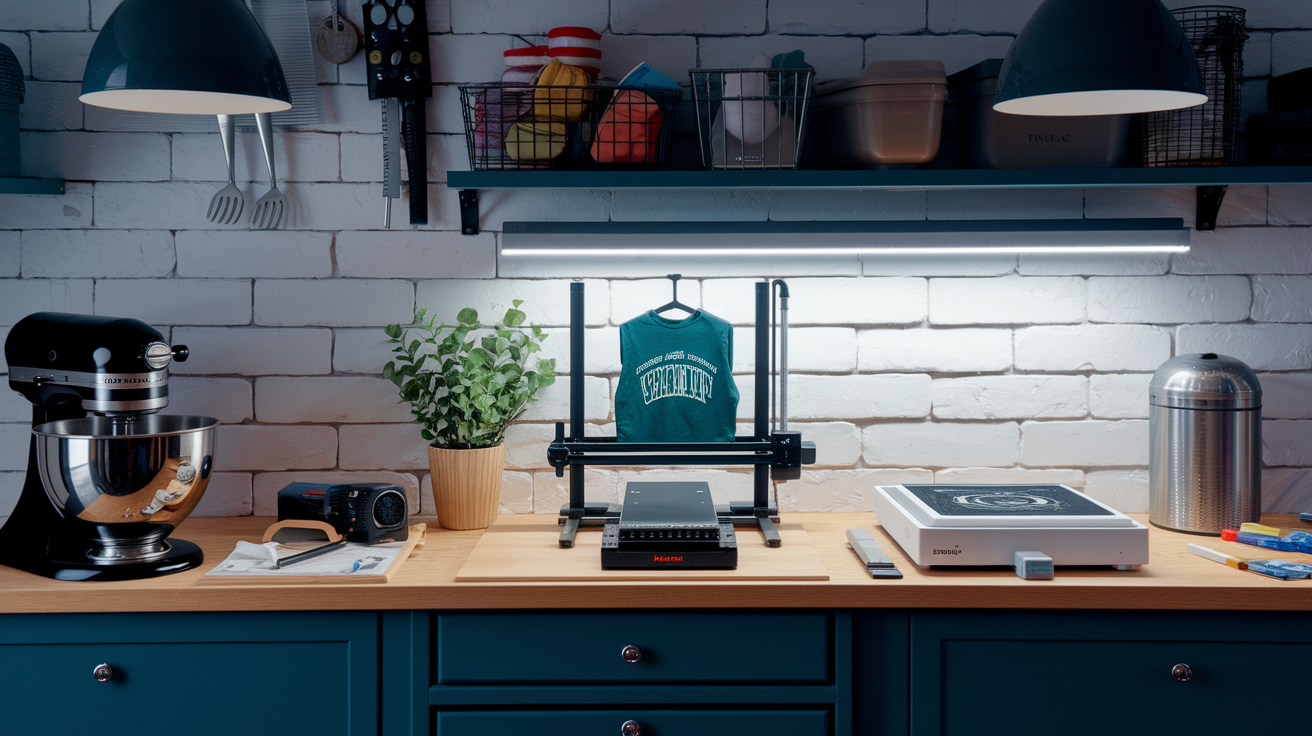
Some home businesses need more than a laptop and a free afternoon to launch. You might need equipment, software licenses, specialized tools, materials to produce what you’re selling. Costs usually land between 500 and 3,000 dollars. Still low compared to renting commercial space or hiring employees.
These businesses often have stronger earning potential because the barrier to entry keeps competition lower. Not everyone can afford a commercial mixer or laser engraving machine, so the people who invest in the right tools can charge more and serve underserved markets.
Here are five ideas with typical upfront costs:
Home bakery with commercial-grade equipment: stand mixer, proofer, packaging supplies, permits. 800 to 2,500 dollars to start legally and efficiently.
Custom T-shirt printing with heat press or screen printing setup: heat press, vinyl cutter, blank inventory. 600 to 1,500 dollars for a small operation.
3D printing services: printer, filament, design software. 400 to 1,200 dollars. Offer prototypes, custom parts, decorative items.
Tech repair for phones, laptops, tablets: tools, replacement parts, workspace setup. 300 to 1,000 dollars. Skills matter more than tools.
Laser engraving or cutting: small laser machine, materials, ventilation. 1,500 to 3,000 dollars. Creates custom signs, gifts, products.
Don’t buy everything at once. Start with the minimum to complete your first paid project, then reinvest earnings into better tools or more inventory as demand proves itself.
Step-by-Step Guide to Launching Your Home Business

Starting doesn’t have to be complicated. Most people overthink the early steps and delay launch for months. You need a clear idea, a legal structure, a way to get paid, and a plan to find your first customers.
Here’s how to move from idea to operating business:
Verify local rules and permits: check zoning laws, business licenses, home-occupation permits with your city or county. Some areas restrict certain activities, especially food or client visits.
Choose a business structure: sole proprietor works for most people starting out, LLC offers liability protection if you’re worried about risk. Talk to an accountant if unsure.
Separate business and personal finances: open a business bank account and get a dedicated credit card. Makes taxes easier and looks more professional.
Write a simple one-page business plan: define what you’re selling, who buys it, how much you charge, what your first three months look like.
Set your pricing: research what others charge, factor in your time and costs. Don’t underprice just to get the first client. You set expectations early.
Create a basic online presence: website, social media profile, or marketplace listing depending on your business. Free options like Google Business Profile, Instagram, or Etsy work fine to start.
Find your first customers: tell friends and family, post in local Facebook groups, reach out to small businesses in your area. Offer a small discount for the first three clients in exchange for reviews.
Track income and expenses from day one: use a spreadsheet or simple software like Wave or QuickBooks. You’ll need this for taxes and to understand if the business actually works.
Final Words
Jump in: most ideas here can be started with a laptop, basic tools, or a hobby. We covered low-cost starts, service work with strong margins, product and digital paths, ways to use your professional skills, and a few ideas that need more investment.
There’s a simple path: pick an idea that fits your time and goals, follow the step-by-step checklist, and test fast. Startup costs often run $0–$3,000.
Pick one and try it. Home based small business ideas can grow slowly or scale fast. You don’t have to do everything at once.
FAQ
Q: What is the best business to start from home?
A: The best business to start from home depends on your skills, time, and goals. Low-cost, quick starts include virtual assistant, freelance writing, online tutoring, print-on-demand, and handmade crafts.
Q: What is the most profitable small home business?
A: The most profitable small home business is often a service-based one—bookkeeping, web design, or consulting—because low startup costs and high hourly rates usually give stronger profit margins.
Q: How to make $10,000 a month working from home?
A: To make $10,000 a month working from home, build high-value services or scalable products, grow clients or traffic, raise prices, add passive income, and automate sales and delivery.
Q: What small business can I start with $5000?
A: With $5,000 you can start a small home business like a home bakery, craft studio with tools, niche e-commerce (dropshipping or print-on-demand), pet services, or a basic consulting setup.