



Think you need a giant speaker to get movie-level sound?
In apartments, that bulky setup usually just annoys neighbors and eats your shelf.
Compact soundbars under about 30 to 35 inches fit below small TVs, sit on narrow shelves, or mount without taking over the room.
They focus on clear dialogue, night modes to tame explosions, and Bluetooth or streaming so you don’t add clutter.
This post picks the best compact soundbars that save space, keep the peace, and still make your shows and music sound better.
Top Compact Soundbar Picks That Fit Apartment Living Needs
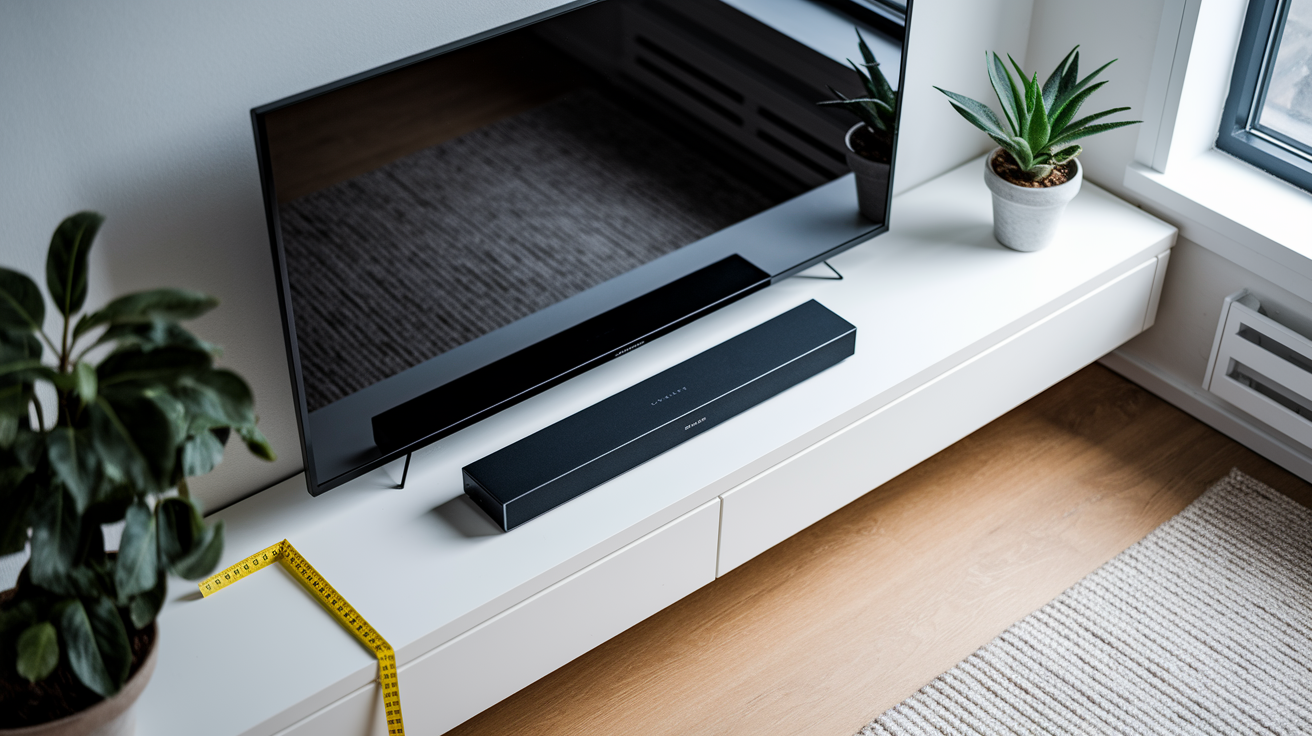
Compact soundbars for apartments measure under 30 to 35 inches wide. They fit beneath smaller TVs, sit on narrow shelves, or mount on limited wall space without taking over the room. These smaller units work best with TVs up to 49 inches and skip the bulk and bass boom that annoys neighbors through shared walls. Size matters in tight quarters. Every inch of surface area counts, and a sprawling speaker system just won’t work with a studio layout or a modest one-bedroom media setup.
Most compact apartment soundbars now include features that cut down on noise complaints while still delivering clear, enjoyable audio. Look for dedicated dialogue modes that let you hear speech without cranking the master volume. Night modes tame explosive action scenes during late viewing. Bluetooth connectivity lets you stream music from your phone without adding extra boxes or dongles. The best compact models balance small footprints with smart sound controls that respect your neighbors and your space.
Prices for compact soundbars range from budget-friendly $50 entry models to full-featured $499 systems that include wireless subwoofers and streaming integration. Connectivity varies widely. Some rely on simple optical cables for older TVs, others offer Wi-Fi streaming and voice assistant support, and a few pack built-in 4K streaming devices to get rid of separate Roku or Fire TV boxes. Choosing the right model depends on your TV’s age, your bass tolerance, and how much convenience you want bundled into one compact unit.
Sonos Ray ($219, 22-inch width, optical-only) works best for renters with older TVs who want excellent dialogue and music in a sleek, no-HDMI design.
Polk MagniFi Mini AX ($499, 14-inch bar plus separate subwoofer) fits one-bedroom apartments where you can place the sub carefully and want full streaming (AirPlay 2, Chromecast, Spotify Connect).
Roku Streambar SE ($79 to $80, compact bar with integrated 4K Roku) suits studios needing one device to handle streaming and sound on a tight budget.
Yamaha SR-C20A ($200, Bluetooth, simple setup) delivers straightforward TV audio upgrades with minimal fuss and no external subwoofer complications.
Zvox AV120 ($50, dialogue-focused, Bluetooth) works for ultra-budget shoppers who care about voice clarity over music performance and can tolerate occasional volume quirks.
Compact Soundbar Features That Matter Most in Small Apartments
Connectivity shapes how your compact soundbar integrates with your existing TV and streaming setup. HDMI ARC (Audio Return Channel) simplifies wiring by sending TV audio back to the soundbar over the same cable that connects your streaming box. But older TVs may only offer optical digital audio outputs, which still deliver clear Dolby Digital sound without the latest Atmos formats. Some compact bars skip video connections entirely and include built-in 4K streaming platforms, turning the soundbar into both your audio upgrade and your sole streaming device. If your TV is five years old or more, check whether it has HDMI ARC or just optical before you shop. Models like the Sonos Ray work only with optical and won’t connect via HDMI at all.
Apartment-friendly sound controls let you enjoy movies and music without disturbing neighbors through shared walls or floors. Night mode compresses loud explosions and quiets sudden volume spikes so you can watch action films after 10 p.m. without waking anyone. Dialogue boost or voice enhancement modes lift speech frequencies so you hear conversations clearly at lower overall volumes. Dynamic range compression flattens the difference between whispers and gunfire, keeping your late-night viewing neighbor-safe. Adjustable bass controls or dedicated subwoofer level knobs let you dial down the low-end rumble that travels farthest through apartment construction.
| Feature | Why It Helps in Apartments |
|---|---|
| Bluetooth | Stream music from your phone without running extra cables or adding smart speakers, keeping clutter minimal |
| Night mode | Compresses volume spikes and tames bass during late hours so you don’t wake neighbors or violate lease quiet-hours rules |
| Dialogue boost | Makes speech clearer at lower volumes, reducing the need to turn up the soundbar and leak noise through walls |
| Wireless streaming (Wi-Fi) | Gets rid of wired connections to streaming boxes and integrates with whole-home audio if you add more speakers later |
| Slim design | Fits on narrow TV stands or small wall-mount shelves without blocking screen corners or taking up precious surface space |
| Subwoofer management | Lets you adjust or skip the subwoofer entirely, preventing low-frequency vibrations that travel through floors and annoy downstairs neighbors |
Comparing Top Compact Soundbars for Small Spaces
A side-by-side comparison shows the trade-offs between compact soundbars designed for apartment living. Width determines shelf fit and visual balance beneath your TV. Price reflects the feature set and sound quality you’ll get. Connectivity options dictate how easily the bar integrates with streaming services, voice assistants, and older equipment. Subwoofer inclusion adds bass punch but also raises neighbor-impact risk and requires extra floor or shelf space that studios often lack.
| Model | Width | Price | Key Features | Subwoofer Included |
|---|---|---|---|---|
| Sonos Ray | 22 inches | $219 | Wi-Fi streaming (Tidal, Qobuz, Apple Music), Bluetooth, Alexa/Google Assistant, optical input only | No (optional Sub mini sold separately) |
| Polk MagniFi Mini AX | 14 inches (bar only) | $499 | AirPlay 2, Chromecast, Spotify Connect, Bluetooth, Dolby Atmos/DTS:X decoding, VoiceAdjust dialogue mode | Yes (separate powered subwoofer) |
| Roku Streambar SE | Compact (exact width not listed, shorter than Ray) | $79 to $80 | Built-in 4K Roku streaming, dedicated voice/dialogue mode, Bluetooth, two-channel sound | No |
| Yamaha SR-C20A | Compact (width not specified, desktop-friendly) | $200 | Bluetooth 5.3, simple TV pairing, straightforward controls | No |
| Zvox AV120 | Ultra-compact (width not specified, designed for desktops) | $50 | Bluetooth, dialogue enhancement focus, ultra-budget build | No |
Compact Soundbar Recommendations for Studio and One-Bedroom Apartments
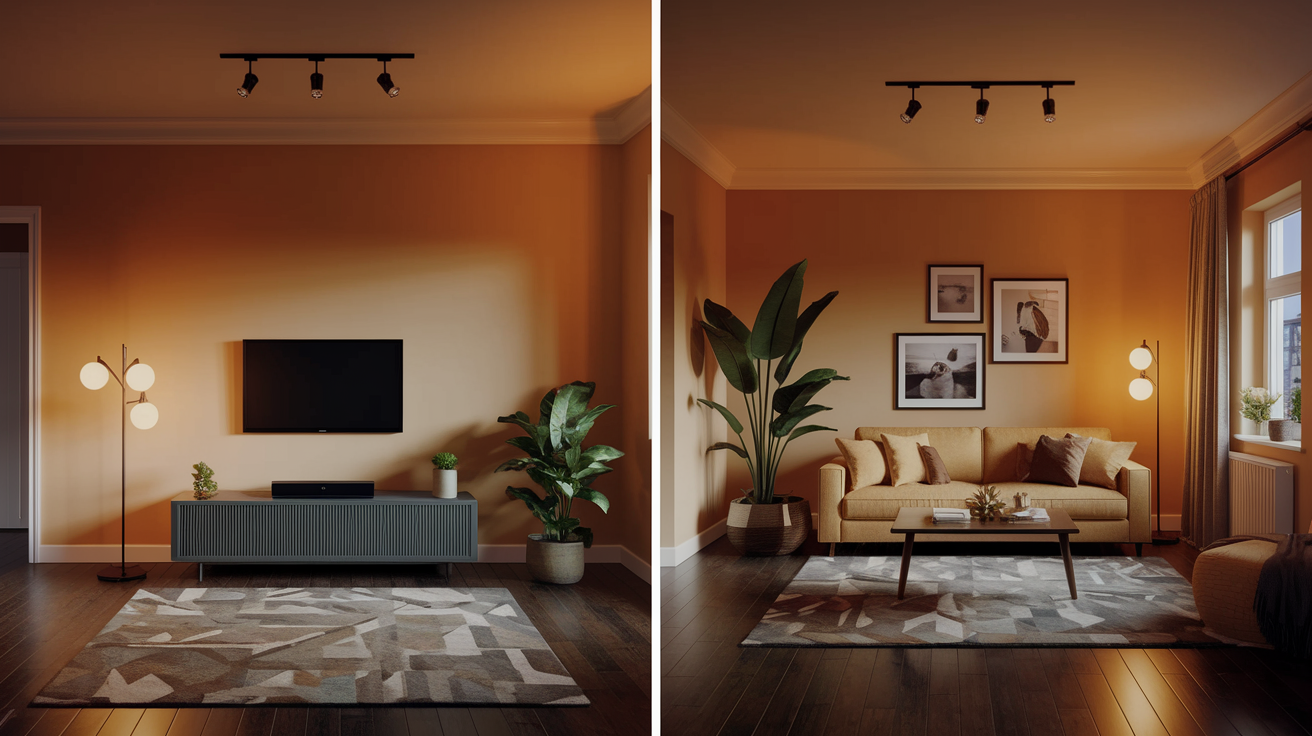
Studio apartments have limited surface area, single-room acoustics, and close neighbors on multiple sides. The ideal soundbar keeps a slim profile and skips the subwoofer to avoid low-frequency complaints. The Roku Streambar SE delivers the best studio value at $79 to $80 by combining a 4K streaming device and soundbar in one compact unit. You get rid of the need for separate boxes and extra HDMI cables while getting clear dialogue for news and shows in small rooms. The Sonos Ray at $219 offers a step up in sound quality with Wi-Fi streaming and a 22-inch width that fits neatly under 32 to 40-inch TVs. Its forward-firing design keeps sound focused in the room rather than bouncing off ceilings or leaking through walls.
One-bedroom apartments often have a dedicated living area with slightly more flexibility for speaker placement. You can sometimes fit a small subwoofer if you position it on an interior wall away from shared neighbor boundaries. The Polk MagniFi Mini AX at $499 includes a separate powered subwoofer and supports AirPlay 2, Chromecast, and Spotify Connect for rich streaming options. But the sub’s punch may require isolation pads and volume discipline during late hours to keep neighbors happy. The Yamaha SR-C20A at $200 offers a simpler alternative with Bluetooth pairing and consistent sound in a compact form, skipping the subwoofer entirely for hassle-free setup and lower neighbor-impact risk.
Studio, budget-conscious: Roku Streambar SE ($79 to $80) for combined streaming and sound in the smallest footprint.
Studio, better sound: Sonos Ray ($219) for excellent dialogue and music without HDMI complexity or subwoofer placement headaches.
One-bedroom, full features: Polk MagniFi Mini AX ($499) if you have space for the subwoofer and want streaming integration with strong bass.
One-bedroom, simple upgrade: Yamaha SR-C20A ($200) for Bluetooth convenience and solid TV audio improvement with no sub to manage.
Small-Space Installation Tips for Compact Soundbars
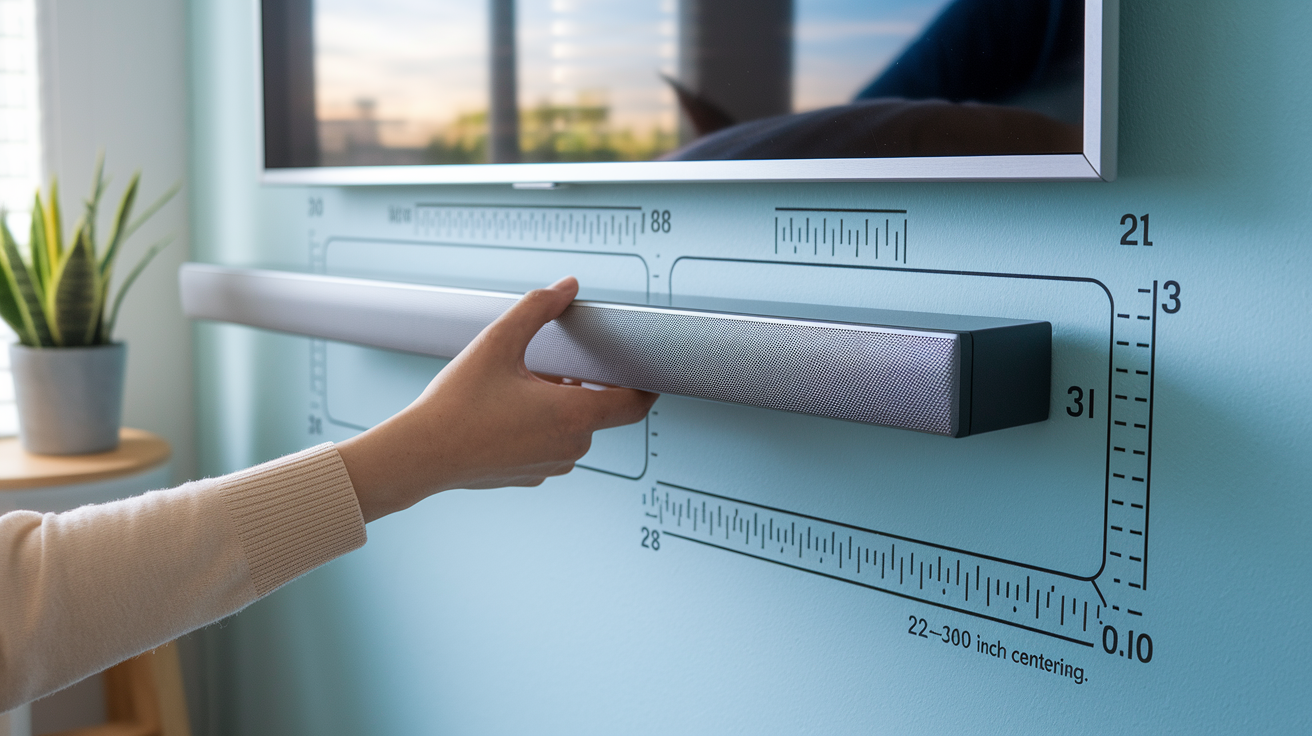
Most compact soundbars sit perfectly on the TV stand shelf directly in front of or beneath the screen. This keeps installation simple and avoids wall damage that violates rental agreements. Wall mounting offers a cleaner look and frees up shelf space, but requires drilling holes or using damage-free adhesive strips rated for the soundbar’s weight. Renters should check lease terms before putting screws into drywall. Some models like the Samsung HW-S61B include wall-mount brackets in the box, while others require you to purchase universal soundbar mounts separately. Confirm what’s included before assuming you can hang the bar on day one.
Position the soundbar within 22 to 30 inches of your TV’s horizontal centerline. This keeps dialogue and effects anchored to the on-screen action. Placing the bar too far to one side creates a disconnect between what you see and what you hear. If your soundbar is slightly taller than expected like the Sonos Ray, you may need to raise the TV a few inches using small furniture risers or stacked books under the stand legs. This prevents the bar from blocking the TV’s bottom edge or infrared remote sensor. For setups that include a separate subwoofer, place the sub on thick rubber isolation pads or foam feet to reduce vibration transfer through floors. Position it along an interior wall rather than one shared with a neighbor to cut down on bass bleed into adjacent units.
Measure your TV stand shelf width and depth to confirm the soundbar will fit without overhanging or blocking vents.
Place the soundbar centered beneath the TV screen, ideally within a foot of the screen’s bottom edge for best dialogue alignment.
If wall mounting, use a stud finder to locate solid anchor points or choose adhesive-backed mounts designed for renters.
Connect cables (HDMI ARC, optical, or power) neatly along the back of the stand or use adhesive cable clips to keep wires hidden and prevent tripping hazards in small rooms.
Neighbor-Friendly Listening With Compact Soundbars

Night mode and dynamic range compression settings flatten the difference between whispered dialogue and loud explosions. You can watch action movies or intense dramas after quiet hours without sending bass rumble through shared walls. Most modern compact soundbars include a night mode toggle in their remote or app controls. Engaging it before late viewing sessions prevents sudden volume spikes that wake neighbors or prompt noise complaints. Dialogue boost modes lift voice frequencies so you can lower the overall master volume and still hear every word clearly, reducing the total sound energy leaking into hallways or adjacent units.
Bass travels farther through apartment construction than mid-range or treble frequencies. Reducing subwoofer levels or skipping the subwoofer altogether makes the biggest impact on neighbor disturbance. If your compact soundbar includes a separate subwoofer like the Polk MagniFi Mini AX, keep its volume knob dialed back during evening hours. Consider moving it away from shared walls if complaints arise. Forward-firing soundbar designs like the Sonos Ray concentrate sound into the room rather than bouncing audio off ceilings or side walls. This helps contain the soundstage within your apartment and reduces bleed into neighboring spaces.
Turn on night mode or enable dynamic range compression before 10 p.m. to limit sudden loud moments during movies and shows.
Boost dialogue clarity settings and lower master volume rather than cranking everything up to hear speech over background effects.
Reduce subwoofer levels by 30 to 50 percent during late hours, or switch the sub off entirely if bass complaints from neighbors persist.
Expert Observations on Compact Soundbar Performance in Apartments
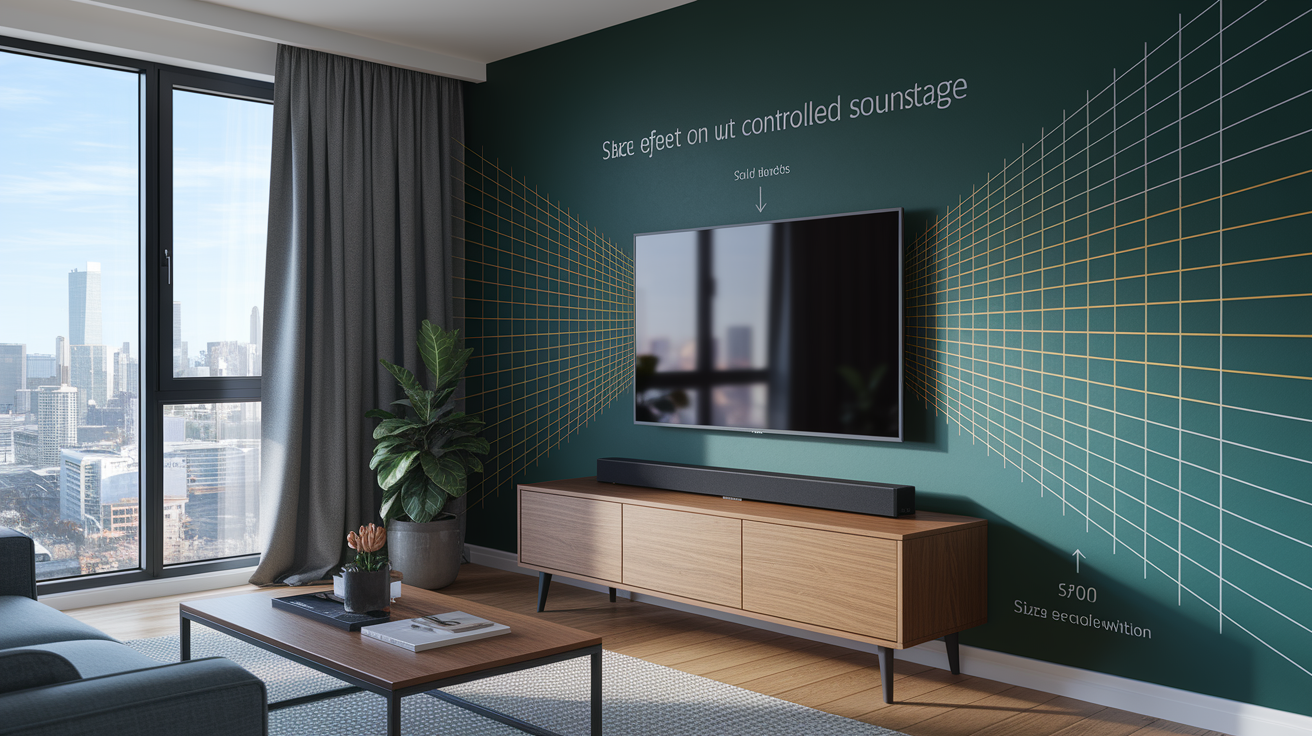
Compact soundbars create surprisingly wide soundstages in small rooms. The closer listening distances and reflective walls help fill the space with sound even from a bar under 25 inches wide. Models like the Sonos Ray use proprietary waveguide designs to spread audio across a broader perceived width. Dialogue feels anchored to the screen and instruments feel separated during music playback. This width illusion works better in a 10-by-12-foot studio than it would in a large open-plan living room. Smaller rooms also mean shorter distances between you and the soundbar, so clarity and detail matter more than sheer loudness. Forward-firing drivers that aim sound directly at your listening position deliver better performance than bars relying on ceiling-bounce Atmos tricks that don’t work well in low-ceiling apartments.
Bass behaves differently in small apartments. Low frequencies excite room modes and resonate through walls, floors, and ceilings more aggressively than in larger spaces with more sound-absorbing furniture. A compact soundbar with a built-in subwoofer or a small separate sub can sound boomy or overwhelming in a studio even at moderate volumes. Positioning the sub in a corner amplifies bass even further by loading the room boundaries. Testing with news broadcasts, movie trailers, and varied music genres revealed that dialogue-focused compact bars like the Zvox AV120 and Roku Streambar SE keep bass modest and voices clear, while models like the Polk MagniFi Mini AX deliver cinematic punch but require careful volume management to avoid disturbing neighbors or muddying small-room acoustics.
Tuning and EQ adjustments matter more in apartments than raw decibel output. You’re working within volume limits set by neighbors and thin walls rather than chasing maximum loudness. Features like Sonos Trueplay room tuning, which uses an iOS device’s microphone to measure your space and adjust EQ automatically, help optimize sound quality without requiring you to push volume into neighbor-complaint territory. Even basic treble and bass knobs on budget models like the Sharp HT-SB700 let you fine-tune the soundbar to your room’s quirks. Spending a few minutes dialing in settings pays off more than buying a bigger, louder bar that you’ll never be able to use at full volume anyway.
Quick Buying Guide for Compact Soundbars

Start by confirming your TV’s width and available connections. A soundbar that’s wider than your TV looks awkward and one that requires HDMI ARC won’t work with older sets that only offer optical audio outputs. Compact soundbars priced between $50 and $499 cover a wide range of features, build quality, and sound performance. Budget models sacrifice music quality and connectivity options while premium picks add Wi-Fi streaming, voice assistants, and expandability with separate subwoofers or surround speakers sold later.
Match soundbar width to your TV size, keeping the bar at or under 30 inches for TVs up to 49 inches.
Check your TV’s audio outputs and choose a soundbar that connects via HDMI ARC, optical, or includes its own streaming device if ports are limited.
Decide whether you can tolerate a separate subwoofer in your apartment layout or if a soundbar-only design will keep neighbor complaints and clutter to a minimum.
Focus on night mode, dialogue boost, and Bluetooth connectivity if you live in close quarters with shared walls or strict quiet hours.
Set a realistic budget knowing that $80 gets you a functional streaming soundbar, $200 delivers solid daily performance, and $500 adds premium streaming and optional bass expansion.
Consider future expandability if you might move to a larger space later. Brands like Sonos and Polk let you add wireless surrounds and subwoofers as your setup grows.
Final Words
You’ve seen compact picks under 30–35 inches, the apartment-friendly features (night mode, dialogue boost, compact size), and renter-friendly setup tips.
We covered price ranges and whether a subwoofer makes sense in tight spaces. Most people get better results with a small bar and careful placement.
Use the quick checklist to pick the best compact soundbars for apartment living that suit your TV, budget, and noise rules. Small tweaks, like EQ, night mode, and placement, make a big difference.
FAQ
Q: What size counts as a compact soundbar for apartments?
A: The compact soundbar size for apartments is under 30–35 inches wide, which fits most TV stands and shelves, keeps a low visual profile, and avoids crowding tight living spaces.
Q: Which compact soundbars are best for apartment living?
A: The best compact soundbars for apartment living include Sonos Ray (22″, clear dialogue, Wi‑Fi), Polk MagniFi Mini AX (14″, includes subwoofer), Roku Streambar SE (budget 4K streaming), Yamaha SR‑C20A (Bluetooth, simple), Zvox AV120 (dialogue-focused).
Q: What features matter most in a compact soundbar for small apartments?
A: The key features for small apartments are night mode, dialogue boost, slim footprint, bass management or no sub, HDMI ARC or optical for hookup, and Bluetooth or Wi‑Fi for streaming.
Q: Should I get a subwoofer if I live in an apartment?
A: Adding a subwoofer in an apartment can disturb neighbors; choose a small, controllable sub, use isolation pads, keep bass levels low, or skip the sub for quieter, neighbor-friendly listening.
Q: How should I place a compact soundbar in a studio versus a one-bedroom?
A: Placement in a studio favors a slim bar centered under the TV and close to ear level; one-bedrooms can handle a small sub placed on isolation pads away from shared walls for less vibration.
Q: Will compact soundbars work with TVs up to 49 inches?
A: Compact soundbars generally work well with TVs up to about 49 inches; match bar width to the TV or center the bar on a shelf for the best visual and acoustic balance.
Q: How do night mode and dialogue boost help with neighbor-friendly listening?
A: Night mode and dialogue boost reduce low-frequency punch and raise speech clarity, letting you follow shows at lower overall volume and reducing noise that travels to neighbors.
Q: Which connectivity option should I choose: optical, HDMI ARC, Bluetooth, or Wi‑Fi?
A: Choosing connectivity depends on your TV and needs: optical fits older sets, HDMI ARC gives better control and features, Bluetooth is for phone audio, and Wi‑Fi adds built‑in apps and multiroom options.
Q: How much do compact soundbars usually cost?
A: Compact soundbars usually cost between about $50 for basic models and $499 for feature-packed units; pick by features you need, like streaming, Wi‑Fi, or a built‑in subwoofer.
Q: What are easy, renter-friendly installation tips for compact soundbars?
A: Renter-friendly installation means using a shelf or adhesive-friendly mounts, keeping the bar within 22–30 inches of the TV centerline, bundling cables with ties, and using isolation pads for any subwoofer.