



Think healthy weeknight dinners take forever?
They don’t.
With a few smart staples—lean proteins, whole grains, and frozen or fresh vegetables—you can plate balanced meals in 30 minutes or less.
This post gives one-pan dinners, grain bowls, and meal-prep moves that cut hands-on time and cleanup.
You’ll get exact times, simple swaps, and realistic options for busy homes, so dinner feels doable on weekdays, not like a weekend project.
No fancy gear needed.
Fast, Nutritious Weeknight Meals in Under 30 Minutes

You don’t need hours in the kitchen for a healthy weeknight dinner. Most nutritious meals hit the table in 30 minutes or less when you start with lean proteins, whole grains, and fresh or frozen vegetables. Grilled chicken breast with quinoa and steamed broccoli works. So does shrimp stir-fried with snap peas over brown rice. These dinners give you balanced nutrition without complicated techniques or specialty equipment.
The real secret? Smart prep and simple cooking methods. Pre-washed salad greens, rotisserie chicken, canned beans, and frozen vegetable blends cut prep time in half. Sheet-pan cooking lets you roast chicken thighs and Brussels sprouts together while rice simmers on the stovetop. One skillet can handle ground turkey, diced tomatoes, and zucchini for a quick skillet chili. When your fridge and pantry are stocked with versatile staples, dinner comes together fast.
This guide walks through ready-in-30-minute recipes organized by cooking method and meal-prep potential. You’ll find one-pan dinners that reduce cleanup, batch-friendly dishes you can make on Sunday and reheat all week, and practical substitution tips that keep meals nutritious even when you’re out of an ingredient. Every recipe includes exact prep and cook times, ingredient quantities, and straightforward steps so you can decide what to make, shop efficiently, and get dinner on the table without stress.
Quick and Healthy Recipes Ready in 30 Minutes
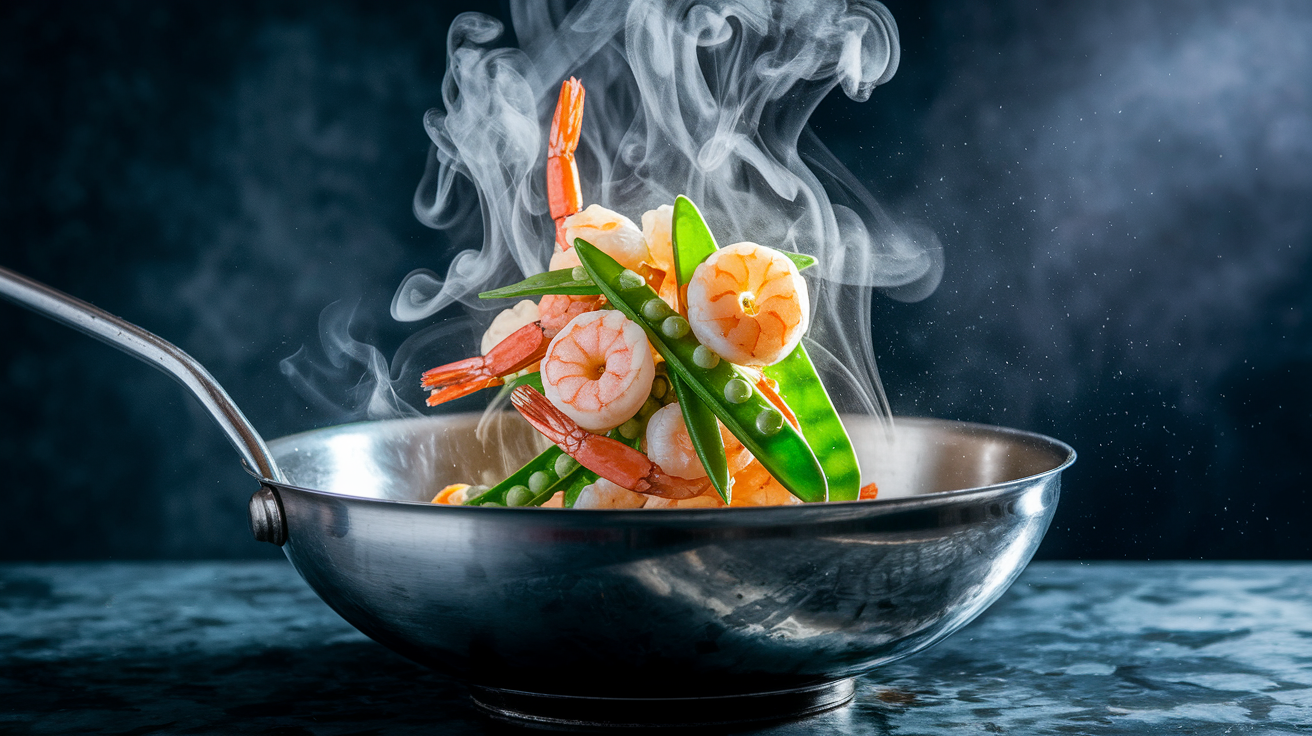
Fast recipes rely on ingredients that cook quickly and don’t need marinating, brining, or long resting periods. Shrimp, boneless chicken cutlets, ground turkey, eggs, and firm tofu all reach safe temperatures in under 10 minutes of active cooking. Pair them with quick-cooking grains like quinoa or couscous, pre-washed greens, and frozen or fresh vegetables that steam or sauté in 5 to 8 minutes.
Stir-fries, grain bowls, and sheet-pan dinners are the workhorses of 30-minute cooking. A stir-fry can go from raw ingredients to plated dinner in 15 minutes if you have everything chopped and your sauce mixed before you heat the pan. Sheet-pan meals let the oven do the work while you set the table or pack tomorrow’s lunch.
Here are four complete 30-minute dinners with exact timing and nutrition highlights:
Sheet-Pan Lemon Chicken and Asparagus (Total time: 25 minutes). Toss 1 lb boneless chicken thighs, 1 bunch trimmed asparagus, 2 tbsp olive oil, 1 sliced lemon, salt, and pepper on a sheet pan. Roast at 425°F for 20 minutes. High in protein (28 g per serving) and rich in fiber from the asparagus.
Shrimp and Snap Pea Stir-Fry (Total time: 18 minutes). Sauté 1 lb peeled shrimp in 1 tbsp sesame oil for 3 minutes, add 2 cups snap peas and 3 minced garlic cloves, cook 4 minutes, toss with 2 tbsp soy sauce and serve over 2 cups cooked jasmine rice. Lean protein (22 g per serving) and ready faster than takeout.
Veggie-Packed Whole-Grain Pasta (Total time: 22 minutes). Boil 8 oz whole-wheat penne for 9 minutes. Meanwhile, sauté 1 diced zucchini, 1 cup cherry tomatoes, and 2 cups baby spinach in 2 tbsp olive oil for 6 minutes. Toss pasta with vegetables, 1/4 cup grated Parmesan, and cracked black pepper. Provides complex carbs and 3 servings of vegetables per plate.
Egg and Black Bean Breakfast-for-Dinner Tacos (Total time: 15 minutes). Scramble 6 eggs in 1 tbsp butter for 4 minutes, warm 1 can rinsed black beans in a small pot for 5 minutes, heat 6 corn tortillas, and assemble with diced avocado, salsa, and cilantro. Budget-friendly at about $2 per serving and packed with protein (18 g) and fiber (9 g).
You can swap proteins, vegetables, and grains in any of these recipes based on what’s in your fridge. Chicken thighs can become salmon fillets. Snap peas can turn into broccoli florets. Jasmine rice works just as well as quinoa or couscous.
One-Pan and One-Pot Healthy Dinners
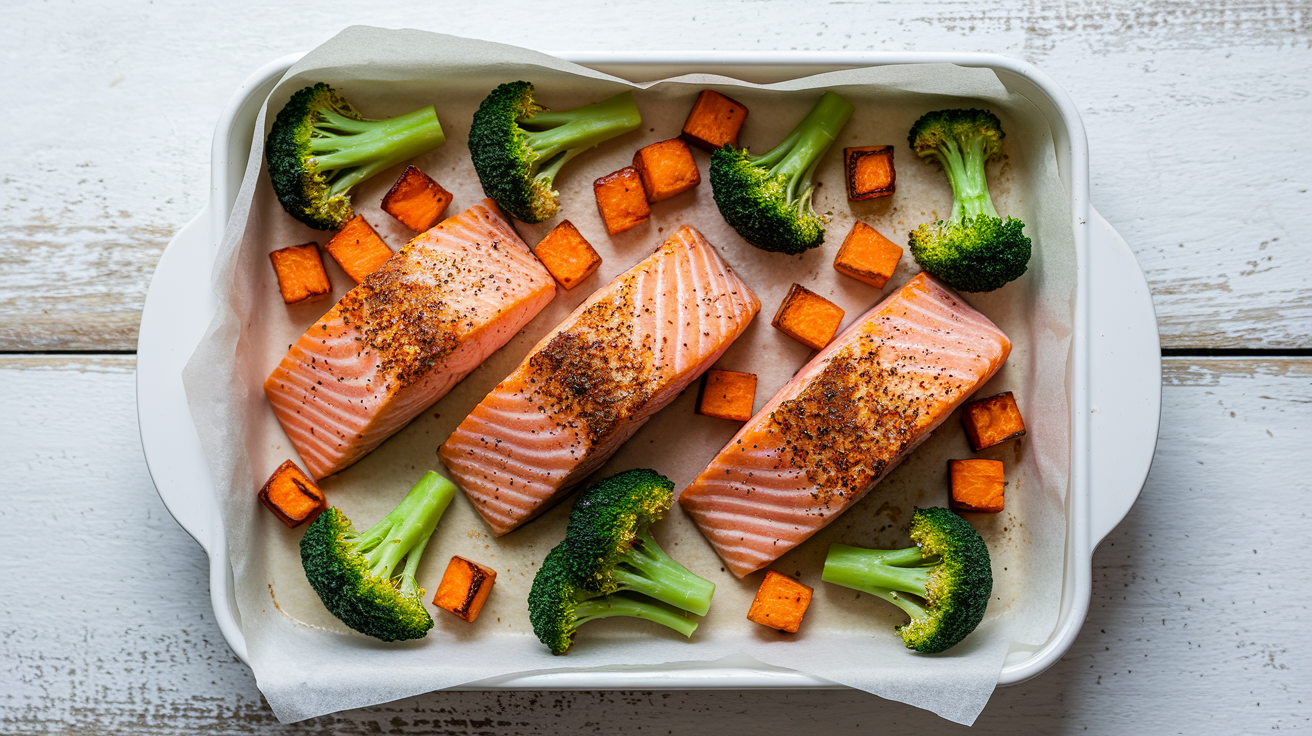
One-pan meals save time on both ends of dinner. You chop everything onto a single sheet pan or into one skillet, cook it all together, and wash one dish afterward. Sheet-pan dinners work especially well for proteins and vegetables that cook at similar rates. Think salmon fillets and green beans, or sausage slices with bell peppers and onions. Skillet meals let you build layers of flavor by searing protein first, then adding aromatics and vegetables, and finishing with a quick pan sauce.
These methods also help ingredients cook evenly. When chicken and potatoes roast together on a sheet pan, the potatoes absorb some of the chicken drippings, adding flavor without extra fat. A skillet chili made with ground turkey, canned tomatoes, kidney beans, and diced peppers develops rich flavor as everything simmers together for 12 to 15 minutes.
Here are three one-pan concepts with time and nutrition details:
Sheet-Pan Salmon with Broccoli and Sweet Potato (Total time: 28 minutes). Arrange 4 salmon fillets (about 5 oz each), 2 cups broccoli florets, and 1 large sweet potato (cut into 1/2-inch cubes) on a parchment-lined sheet pan. Drizzle with 2 tbsp olive oil, season with salt, pepper, and garlic powder, and roast at 400°F for 20 minutes. Each serving delivers omega-3 fatty acids, 25 g protein, and 6 g fiber.
One-Skillet Chicken Fajitas (Total time: 22 minutes). Slice 1 lb boneless chicken breast into strips, sauté in 1 tbsp olive oil for 6 minutes, add 1 sliced red bell pepper, 1 sliced green bell pepper, and 1 sliced onion, cook 8 more minutes, and toss with 1 tbsp fajita seasoning. Serve with warm tortillas, salsa, and Greek yogurt. Lean protein and colorful vegetables in one pan.
Vegetarian Skillet Quinoa with Chickpeas and Spinach (Total time: 25 minutes). Cook 1 cup quinoa in 2 cups vegetable broth for 15 minutes. In the last 5 minutes, stir in 1 can rinsed chickpeas, 3 cups baby spinach, 1/4 cup crumbled feta, and 2 tbsp lemon juice. Plant-based protein (12 g per serving) and complete meal in one pot.
Meal-Prep-Friendly Dishes for Busy Weeknights

Some dinners taste just as good on Thursday as they do on Sunday night. Casseroles, grain bowls, chili, and roasted vegetable pasta all store well in the refrigerator for 3 to 4 days and reheat without losing texture or flavor. When you batch-cook one or two of these meals over the weekend, you can pull a container from the fridge, microwave it for 2 minutes, and sit down to a complete dinner on a weeknight when cooking from scratch feels impossible.
The key to successful meal prep is choosing recipes that don’t get soggy or dry out. Grain-based dishes like quinoa bowls or fried rice hold up well because grains absorb flavors as they sit. Soups and chilis actually improve after a day in the fridge as spices meld together. Roasted proteins like chicken breasts or baked tofu stay moist if you store them in a little bit of their cooking liquid or a light sauce. Avoid prepping dishes with delicate greens or crispy toppings. Add fresh spinach, avocado, or toasted nuts right before serving instead.
A practical meal-prep strategy is to cook large-batch staples separately and mix them throughout the week. Roast 3 pounds of mixed vegetables (bell peppers, zucchini, cherry tomatoes, red onion) on a sheet pan for 30 minutes at 425°F. Cook 6 cups of brown rice or quinoa in one pot. Bake or poach 2 pounds of chicken breast. Store each component in its own container, then build different meals each night. Grain bowl with chicken and roasted vegetables on Monday. Chicken and vegetable stir-fry over fresh greens on Wednesday. Vegetable and quinoa stuffed peppers on Friday. This gives you variety without cooking a new recipe from scratch every evening.
Smart Ingredient Substitutions to Keep Meals Healthy

Healthy cooking doesn’t require specialty ingredients. Small swaps can boost nutrition, cut calories, or accommodate dietary needs without changing a recipe’s flavor or texture. Greek yogurt works in place of sour cream or mayonnaise, adding protein while reducing fat. Whole-grain pasta, brown rice, or quinoa deliver more fiber than their refined counterparts and keep you full longer. Lean proteins like chicken breast, turkey, or white fish have less saturated fat than fattier cuts but still provide the complete protein your body needs.
| Ingredient | Swap | Benefit |
|---|---|---|
| Sour cream (1/2 cup) | Plain Greek yogurt (1/2 cup) | Adds 10 g protein, cuts fat by half |
| White rice (1 cup cooked) | Quinoa or brown rice (1 cup cooked) | Increases fiber from 0.6 g to 5 g, adds iron and magnesium |
| Ground beef 80/20 (1 lb) | Ground turkey 93/7 (1 lb) | Reduces saturated fat by 60%, saves ~100 calories per serving |
| Butter (2 tbsp) | Olive oil (2 tbsp) | Replaces saturated fat with heart-healthy monounsaturated fat |
| Regular pasta (8 oz dried) | Whole-wheat pasta (8 oz dried) | Triples fiber content, adds B vitamins and minerals |
| Mayonnaise (1/4 cup) | Mashed avocado (1/4 cup) | Adds fiber and potassium, reduces processed ingredients |
Simple Shopping Lists for Quick Weeknight Cooking
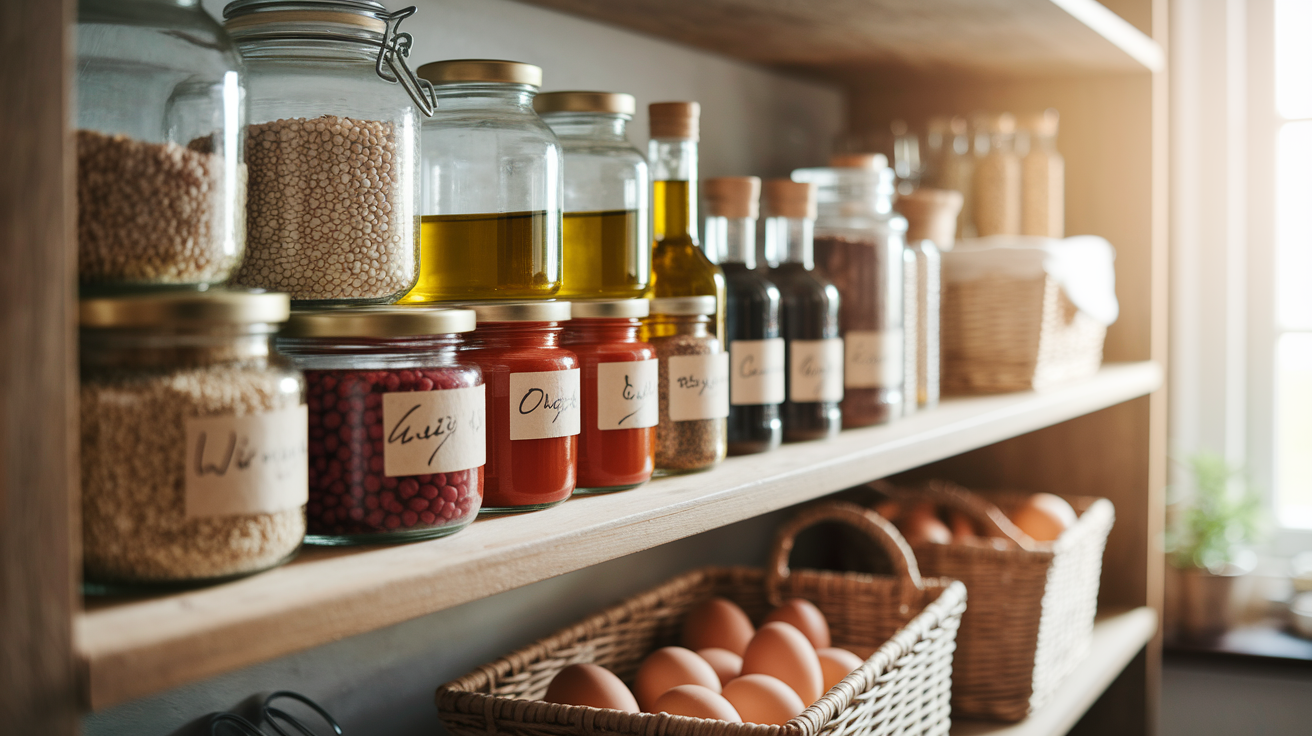
A well-stocked pantry and fridge make 30-minute meals possible even when you haven’t planned ahead. When your shelves hold canned beans, whole grains, canned tomatoes, and a variety of spices, you can pull together a complete dinner without a grocery run. Frozen vegetables are just as nutritious as fresh and often cheaper. Keep bags of broccoli, spinach, bell pepper strips, and stir-fry blends in the freezer for nights when the produce drawer is empty.
Stock these six staples to enable fast, healthy cooking any night of the week:
Canned beans (black beans, chickpeas, kidney beans). Rinse and add to salads, grain bowls, soups, or tacos for instant plant-based protein and fiber. A 15 oz can provides about 3 servings.
Quick-cooking grains (quinoa, couscous, instant brown rice). Ready in 10 to 15 minutes and pair with any protein and vegetable combination.
Canned tomatoes (diced, crushed, or whole). The base for pasta sauce, chili, soup, and shakshuka. One 28 oz can makes sauce for 4 servings of pasta.
Frozen vegetables (broccoli florets, spinach, stir-fry mix, bell peppers). No chopping required, and they steam or sauté in 5 to 8 minutes straight from the freezer.
Olive oil and basic spices (garlic powder, cumin, paprika, black pepper, kosher salt). These build flavor in every savory dish without adding sugar or processed ingredients.
Eggs and Greek yogurt. Eggs cook in under 10 minutes and work for breakfast-for-dinner, fried rice, or grain bowls. Greek yogurt becomes a creamy sauce, taco topping, or smoothie base.
Keep a running list on your phone of what you’ve used during the week so restocking takes one quick midweek grocery trip. Buying a rotisserie chicken, pre-washed salad greens, and a bag of frozen shrimp on the way home turns pantry staples into three different dinners without any advanced planning.
Dietary Preference Filters: Easy Options for Every Lifestyle
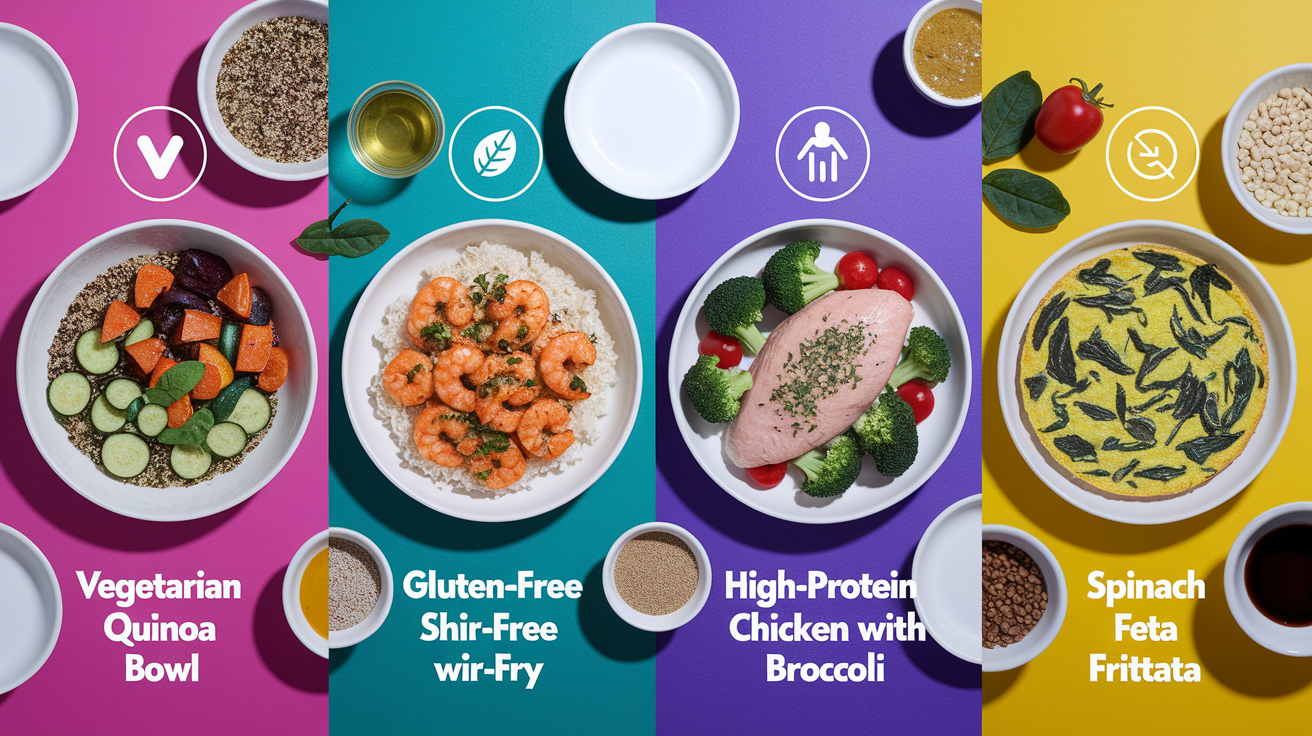
Vegetarian weeknight meals center on plant-based proteins like beans, lentils, tofu, tempeh, and eggs. A black bean and quinoa bowl with roasted sweet potato, avocado, and salsa takes 25 minutes and delivers complete protein when you combine grains and legumes. Stir-fried tofu with broccoli and cashews over brown rice cooks in one skillet in under 20 minutes. Frittatas loaded with spinach, cherry tomatoes, and feta bake in 18 minutes and serve hot or cold, making them ideal for meal prep. Swap any animal protein in a stir-fry, grain bowl, or pasta dish for an equal weight of firm tofu, canned chickpeas, or cooked lentils.
Gluten-free meals skip wheat-based pasta, bread, and flour but still offer plenty of quick dinner options. Use brown rice, quinoa, or rice noodles in place of regular pasta. Corn tortillas replace flour tortillas for tacos and quesadillas. Sheet-pan dinners with chicken, salmon, or shrimp and roasted vegetables are naturally gluten-free as long as you check that your seasonings and sauces don’t contain hidden wheat. A shrimp and vegetable stir-fry over jasmine rice, seasoned with gluten-free soy sauce or tamari, takes 18 minutes and fits celiac-safe guidelines. Always read labels on packaged broths, spice blends, and condiments to confirm gluten-free status.
High-protein meals support muscle maintenance, keep you full longer, and stabilize blood sugar. Aim for 25 to 35 grams of protein per serving by building dinners around chicken breast, turkey, lean beef, fish, shrimp, eggs, or Greek yogurt. A 5 oz grilled chicken breast over a bed of quinoa and steamed broccoli delivers about 40 g protein. Salmon with roasted Brussels sprouts and a side of lentils hits 35 g. Even plant-based eaters can reach high-protein targets. A tofu scramble with black beans and a sprinkle of hemp seeds provides 28 g protein per serving. Add a dollop of Greek yogurt to grain bowls, use it as a creamy pasta sauce base, or mix it into smoothies for an extra 10 to 15 g protein without much effort.
Final Words
Jump straight into meals that use lean protein, quick grains, and a big serving of veggies. Most take 30 minutes when you use pre-chopped produce, batch-cooked staples, or sheet-pan tricks.
You’ve got one-pan dinners, stir-fries, and meal-prep bowls ready to mix and match, plus easy swaps for dietary needs and a simple shopping list to keep on hand.
Use these ideas to make healthy quick weeknight meals part of your routine. Small steps, big payoff. You’ll eat better without the stress.
FAQ
Q: What qualifies as a healthy 30-minute weeknight meal?
A: A healthy 30-minute weeknight meal includes lean protein, plenty of vegetables, and a whole-grain or starchy side, cooked with simple seasonings and quick methods like stir-fry or sheet-pan roasting.
Q: What are the top time-saving strategies for quick dinners?
A: The top time-saving strategies for quick dinners are batch-prep vegetables and grains, use pre-washed greens, choose one-pan cooking, and rely on pantry staples for fast assembly and fewer steps.
Q: Which quick proteins cook fastest for healthy meals?
A: The quickest healthy proteins to cook are shrimp, eggs, thin chicken cutlets, and canned beans, which speed dinner prep and pair well with quick-cook grains or wilted greens.
Q: How do one-pan or one-pot meals save time and cleanup?
A: One-pan and one-pot meals save time and cleanup by cooking protein, vegetables, and starch together so food finishes at once and you only wash a single pan.
Q: What are easy 30-minute recipe ideas I can rotate?
A: Easy 30-minute recipe ideas to rotate include a veggie-packed stir-fry with brown rice, sheet-pan chicken and roasted vegetables, quick shrimp pasta with spinach, and a quinoa grain bowl with roasted chickpeas.
Q: Can I meal-prep ahead and how long will it keep?
A: You can meal-prep ahead; batch dishes like grain bowls, chili, and roasted vegetables keep 3 to 4 days refrigerated and reheat well for fast weeknight meals.
Q: What simple swaps keep meals healthier without extra effort?
A: Simple swaps that keep meals healthier are Greek yogurt for sour cream, whole-grain pasta for refined pasta, lean cuts instead of fattier meat, and lighter dressings like lemon and olive oil.
Q: What should I keep stocked for quick healthy weeknights?
A: Keep pantry staples like canned tomatoes and beans, quinoa or brown rice, frozen vegetables, eggs, lemons, olive oil, and a basic spice set to pull dinners together quickly.
Q: How do I adapt 30-minute meals for dietary needs?
A: To adapt 30-minute meals for dietary needs, use gluten-free grains, swap in tofu or beans for vegetarian, and add extra lean protein or legumes for higher-protein versions.
Q: What simple weekend prep speeds up weeknight cooking?
A: A simple weekend prep is cooking a big pot of grains and roasting a tray of vegetables, then storing them separately to quickly assemble bowls, salads, or stir-fries all week.