

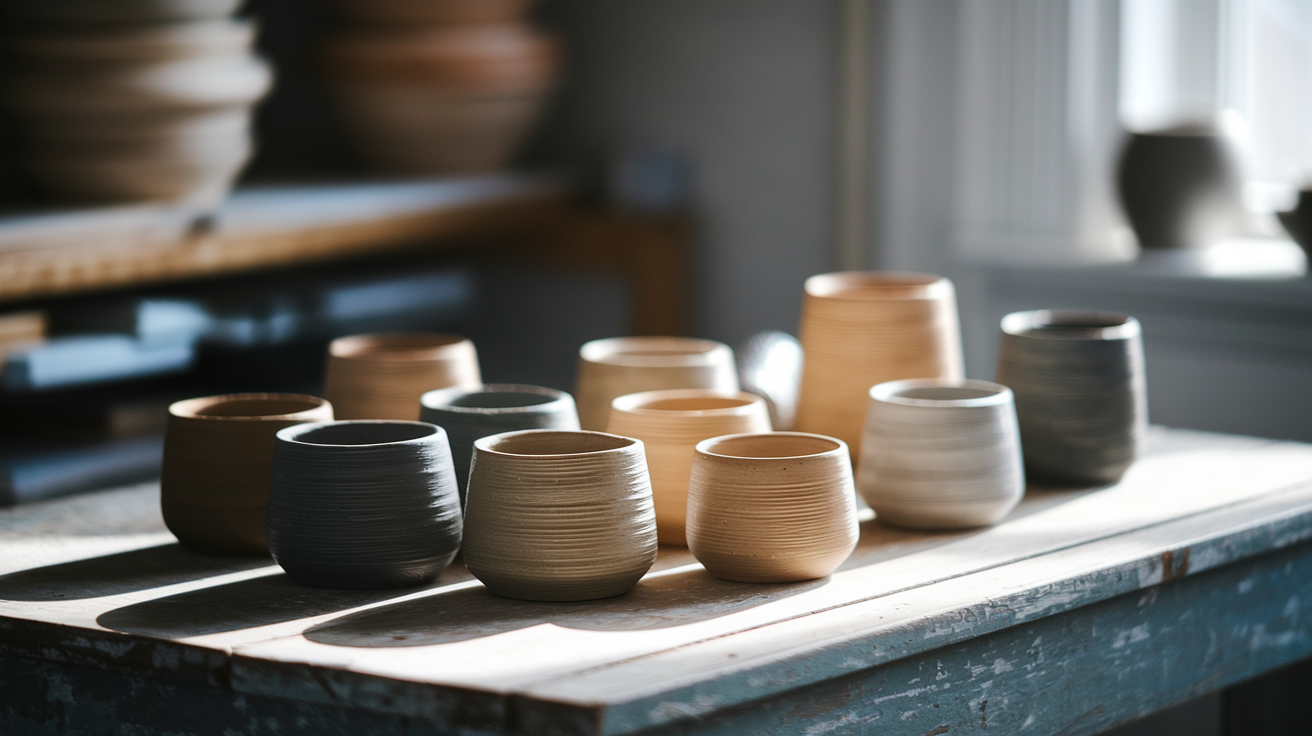

Think a pot is just a pot? Think again.
Local artists who make handmade planters and pots bring personality, better fit, and real craft to your home.
This guide points you to the best local makers near you, including Seattle and Portland studios that throw small batches, glaze one-of-a-kind finishes, and offer styles from tiny windowsill planters to large statement pieces.
Read on to find makers, price ranges, buying tips, and how to commission custom pieces without the guesswork.
Curated Local Makers Offering Handmade Planters and Pots Near You
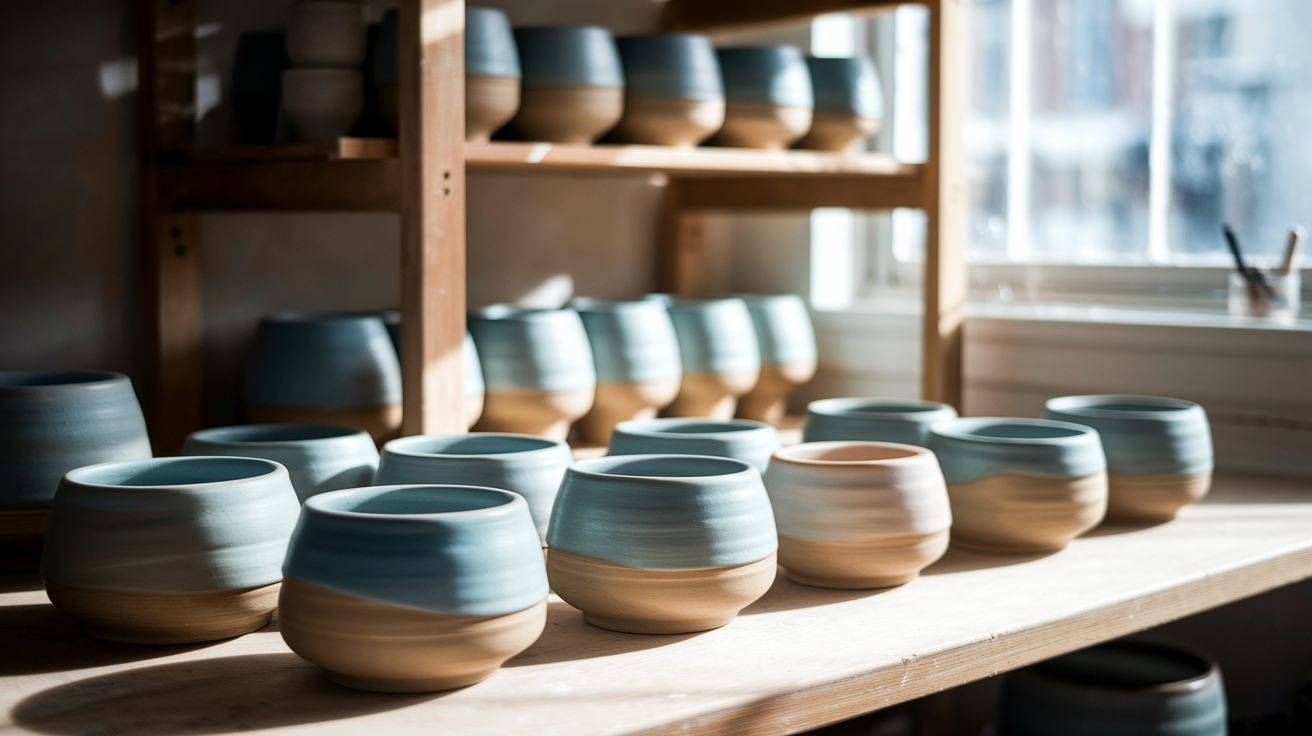
This guide connects you to independent ceramic artists who make planters and pots by hand, piece by piece, in studios across the Seattle and Portland regions. Each maker brings their own style. Smooth minimalist stoneware. Bold retro clay work with dots and stripes. You’ll find small planters for windowsills, statement pieces for corners, and everything in between.
The artists featured here work in real studios, often firing small batches at a time. That means each pot carries slight variations in glaze, texture, and shape. Some makers offer drainage holes, others leave surfaces raw so you can seal them yourself. A few ship in recycled packaging or donate a portion of sales to local causes.
Prices range from around $15 for a hand-thrown cup planter to $95 for a large made-to-order piece with custom mountain silhouettes. Most artists sell directly through Instagram or at monthly markets. A handful run brick-and-mortar shops where you can walk in, touch the clay, and take a pot home the same day.
Featured local makers:
- Pottery by Negar – Seattle; minimalist wheel-thrown planters and cups with irregular shapes; $15–$65 per piece
- Mud & Fire – Seattle; made-to-order planters with carved mountain backdrops, ships in 100% recycled packaging; $40–$95 per piece
- Rain Ceramics – Seattle; unglazed stoneware planters, mugs, and watering bells; teaches wheel classes; $50–$90 per piece
- Carter & Rose – Portland; Oregon clay planters and ceramic snakes, brick-and-mortar shop features other local artists; $20–$60 per piece
- Erin MC Design – Portland; small-batch retro planters with dots, lines, and funky color schemes; $28–$70 per piece
- Niko Ceramics – Portland; slip-cast and sgraffito colorful mod designs bridging retro and modern; $45–$110 per piece
- Wolf Ceramics – Hood River; speckled modern planters and vases using Oregon clay; $42–$78 per piece
- kRI kRi Studio – Seattle; organic-shaped vases and bowls with modern sculptural feel; $24–$575 per piece
Handmade Planter Styles and Materials From Local Ceramic Artists
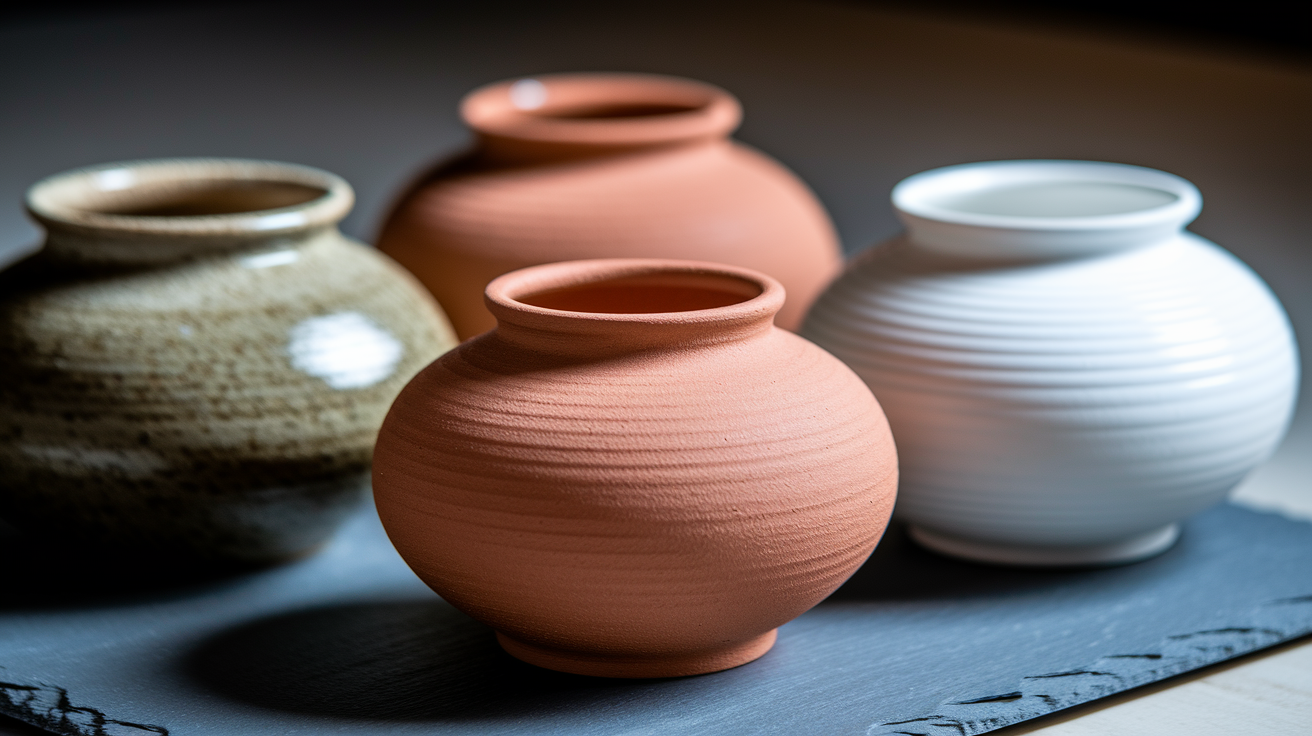
Local artists work with stoneware, terracotta, porcelain, and earthenware clay. Stoneware fires hard and dense, holding water without sweating through the walls. Terracotta stays porous, letting roots breathe but requiring more frequent watering. Porcelain offers a smooth, refined finish and typically costs more because it’s trickier to throw on the wheel without warping.
Some makers leave clay unglazed so you see the natural speckles and texture. Others coat pieces in glossy or matte glazes that seal the surface and add color. Unglazed stoneware planters work well indoors on saucers. Glazed pieces handle moisture better if you’re watering directly into the pot. A few artists use red, black, or brown clay bodies that bring earthy tones even before any glaze goes on.
Common style categories among local makers:
- Minimalist: clean lines, neutral tones, irregular wheel-thrown shapes
- Retro: dots, stripes, bold color blocks, mid-century vibe
- Sculptural: asymmetric forms, hand-built angles, organic curves
- Textured: etched patterns, sgraffito carving, raw clay surfaces
- Mod multicolor: slip-cast bright hues, graphic patterns, neon accents
| Material | Best For | Notes |
|---|---|---|
| Stoneware | Indoor planters, frequent watering | Dense, holds moisture, durable |
| Terracotta | Succulents, cacti, breathable drainage | Porous, dries fast, classic look |
| Porcelain | Decorative vases, delicate plants | Smooth, refined, more fragile |
| Earthenware | Indoor pots with saucers | Less dense than stoneware, colorful glazes |
How to Evaluate Quality When Buying Handmade Pots From Local Makers
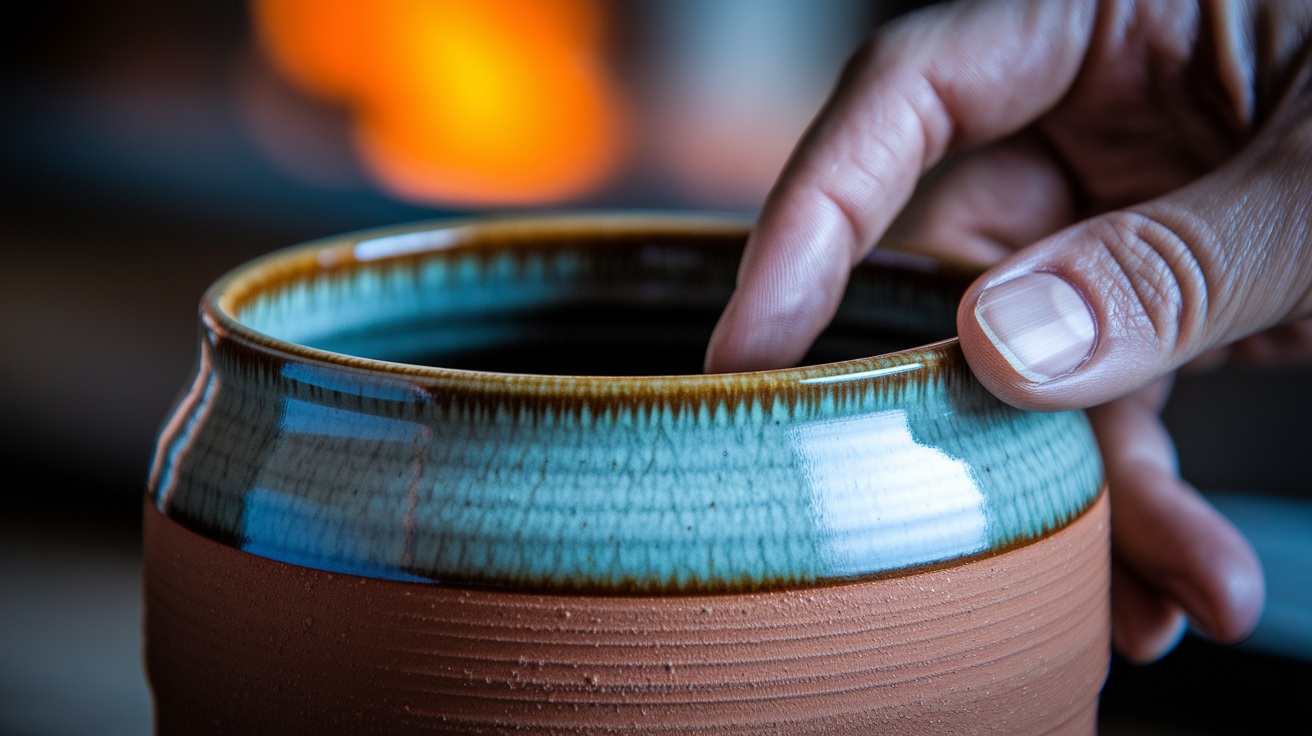
Check the glaze for even coverage and no bare spots where water could seep through unintended areas. Run your finger along the rim. A smooth, even edge means the potter trimmed carefully. Rough patches or sharp burrs suggest rushed finishing.
Wall thickness matters. Thin walls feel delicate and crack easier if knocked over. Thick walls add heft, which helps anchor tall plants but makes the pot harder to move. Hold the piece up to light. If you see pinpricks of light through the clay, the walls may be too thin for outdoor freeze-thaw cycles.
Firing method changes the final texture and strength. Stoneware fired to high temperatures becomes almost waterproof even without glaze. Soda-fired pieces show orange flashes and speckles where soda vapor hit the clay. Wood-fired pots carry ash deposits and toasted edges. Slip-cast work comes out of molds with uniform thickness, good for multiples but less one-of-a-kind. If you want a planter that drains, confirm the artist drilled a hole. Some makers leave drainage optional so you can use the pot as a cachepot or add your own hole with a masonry bit.
Finding Local Ceramic Artists and Handmade Planter Shops in Your Area
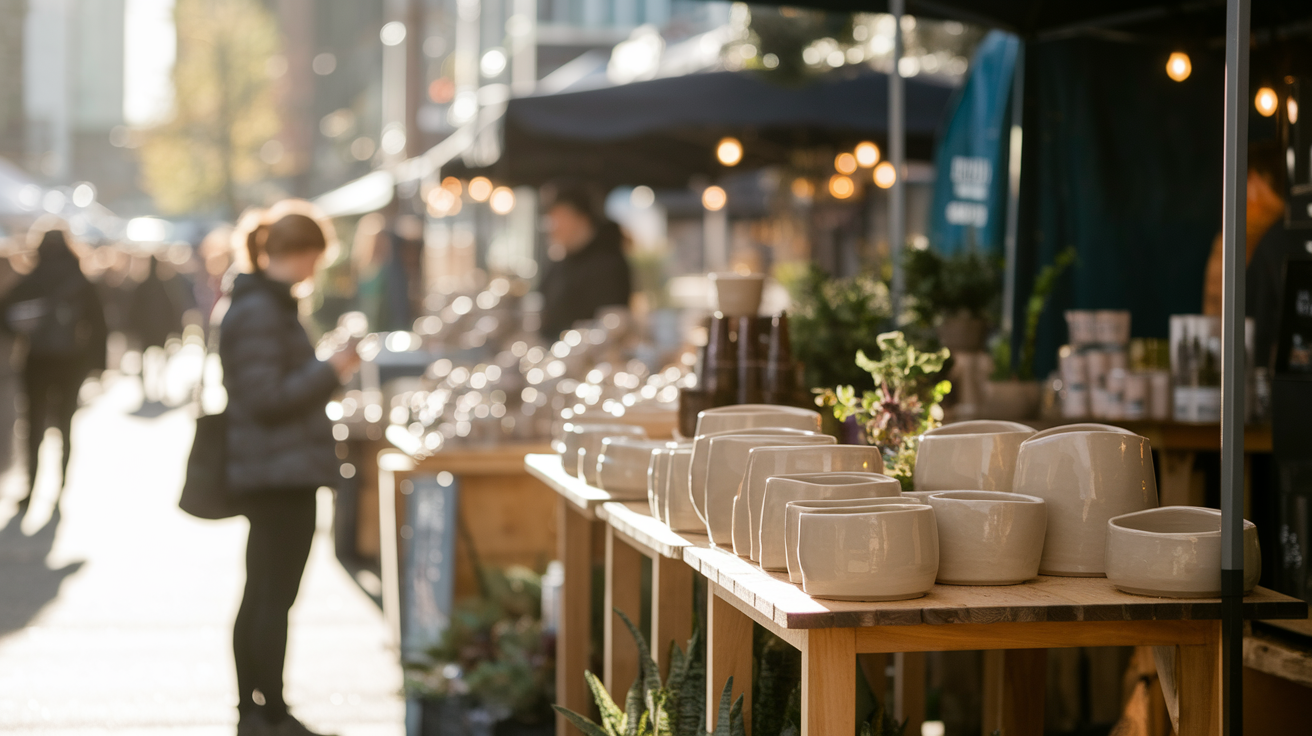
Start with city-specific maker directories that list potters by neighborhood. Many cities maintain online guides featuring 10 to 20 artists per page, complete with studio addresses and Instagram handles. Check those first because they’re curated by people who’ve already vetted the work.
Monthly craft markets and seasonal fairs bring multiple makers into one space. Markets like Pike Place in Seattle host ceramic artists year-round, so you can compare styles and prices in person. Some potters announce limited-quantity drops on Instagram once a month, selling out in hours. Follow a few local hashtags and turn on post notifications if you want first access to new batches.
Six ways to discover local artists:
- Search Instagram hashtags like #seattleceramics, #portlandpottery, or #handmadeplanterspnw
- Browse city maker directories and chamber of commerce artist listings
- Visit monthly or weekly makers markets in your neighborhood
- Check craft fair calendars for annual events that feature ceramics booths
- Stop by pop-up shops in coffee shops, bookstores, or co-working lobbies
- Tour local gallery collectives that represent 5 to 15 small-batch artists under one roof
Commissioning Custom Handmade Planters From Local Potters

Ordering a custom piece means you pick the size, glaze color, and finish details before the artist throws the clay. Most potters welcome commissions for planters because the form is straightforward and the customization options are practical. You might want a specific diameter to fit a shelf, a certain glaze to match your cabinet paint, or carved initials along the rim.
Custom work takes longer than buying a ready-made pot. The artist needs time to throw, dry, trim, glaze, and fire. Each kiln cycle can take several days, and many potters only fire once a week to save energy.
Typical Lead Times & Deposits
Expect 2 to 8 weeks from order to pickup, depending on the artist’s kiln schedule and how many commissions are ahead of you. Small studios fire in batches, so your piece waits until the kiln is full. Artists usually ask for 20 to 50 percent upfront to cover clay and time. The deposit also holds your spot in the production queue. You pay the remaining balance when the piece is ready, either at pickup or before final packing if the artist ships.
Custom Options (Glaze, Color, Drainage, Sizing)
You can request glaze swaps if the artist has sample tiles to show you. Adding a drainage hole costs $10 to $15 in most cases. Custom sizing works as long as the dimensions fit the potter’s wheel and kiln. Some makers offer saucers as a package deal for an extra $15 to $40. Hand-carved personalization, like a name or date, adds $20 to $150 depending on how much carving is involved and whether it’s freehand or stamped.
Pricing Examples for Custom Projects
| Size | Typical Price | Lead Time |
|---|---|---|
| Small (4–6 inches) | $40–$75 | 2–3 weeks |
| Medium (8–10 inches) | $90–$180 | 4–6 weeks |
| Large (12+ inches) | $200–$400 | 6–8 weeks |
Local Studios, Workshops, and Maker Events for Handmade Planters
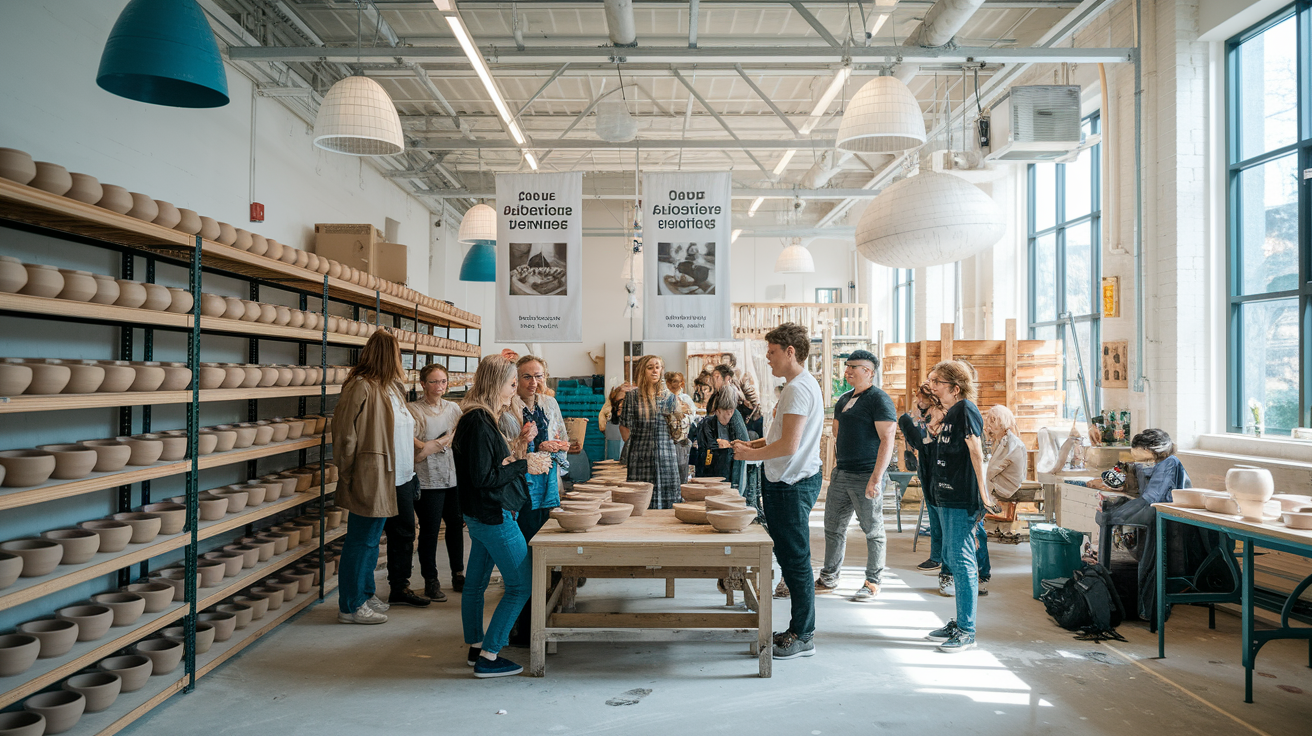
Visiting a potter’s studio lets you see work in progress and ask questions about technique. Some artists open their studios one Saturday a month, displaying shelves of greenware waiting for the kiln and finished pieces ready to buy. A few offer drop-in wheel classes where you throw your own planter and pick it up glazed two weeks later.
Brick-and-mortar maker shops operate like small galleries. You walk in, browse planters by multiple artists, and leave with a pot the same day. These shops often host artist talks or glazing demos on weekends. Neighborhood maker hubs cluster several studios in one building, so you can visit three or four potters in a single trip.
Example event types to watch for:
- Seasonal craft fairs in spring and fall with 20 to 50 ceramics booths
- Recurring monthly makers markets, often first or third Saturdays
- Gallery group shows featuring new work from 6 to 10 local artists
- Studio pop-up sales with discounted seconds and one-of-a-kind test glazes
Pricing Guide for Handmade Planters and Pots
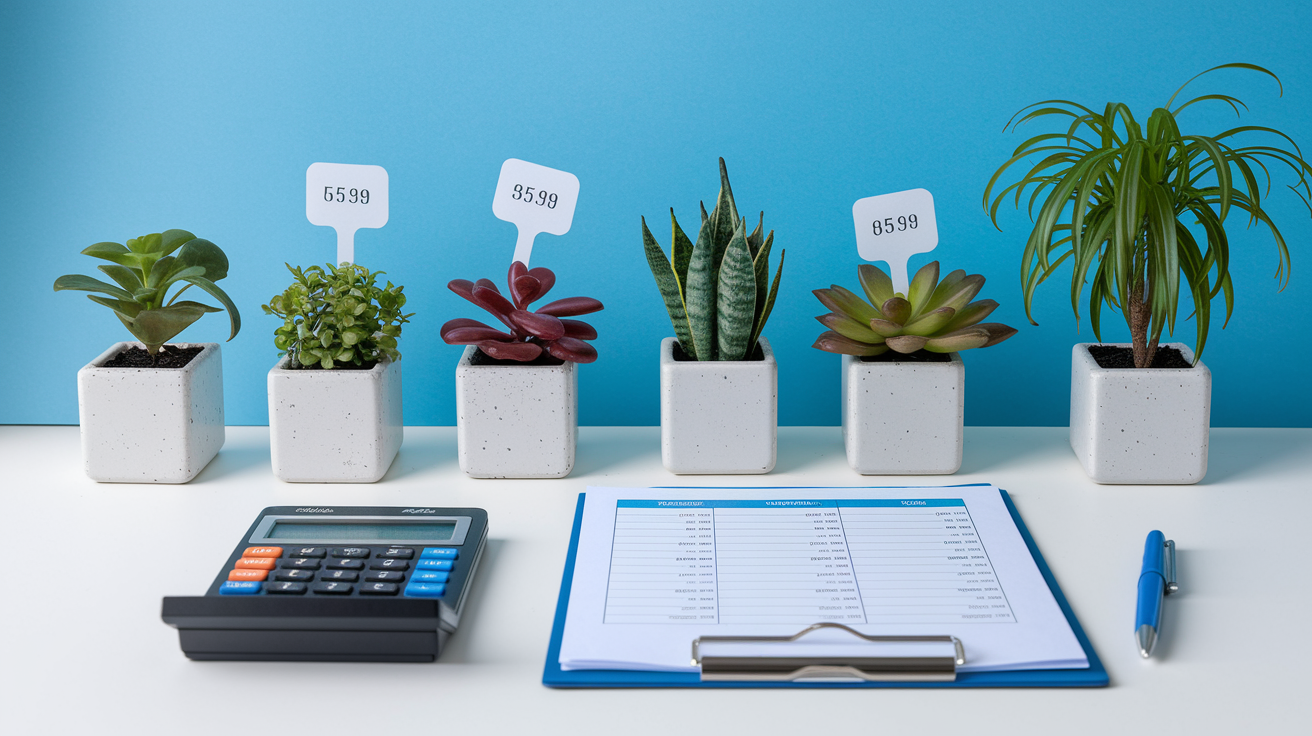
Small pots that hold a 2-inch succulent or a single cutting typically cost $20 to $45. These fit on windowsills and desks. Medium planters, around 6 to 8 inches across, run $45 to $150 and work for most houseplants. Large statement pieces, 10 inches or wider, start at $150 and can reach $400 or more if they include custom carved designs or complex glazing.
Custom commissions add labor and material costs. A made-to-order planter with mountain silhouettes or hand-painted details might land between $250 and $800, depending on size and finish. Limited-edition drops and monthly releases sometimes carry a premium because the artist only makes 10 or 20 pieces per batch. Buying multiples can unlock bulk pricing. Many potters offer 10 percent off for orders of 10 to 24 units and 15 to 25 percent off for 25 or more.
| Size | Typical Price Range | Notes |
|---|---|---|
| Small (2–4 inches) | $20–$45 | Desk planters, single cuttings, quick gifts |
| Medium (6–8 inches) | $45–$150 | Standard houseplants, shelf display |
| Large (10–14 inches) | $150–$300 | Floor plants, statement corners |
| Extra-large or custom (14+ inches) | $300–$800 | One-off commissions, carved details, complex glazes |
Customer Reviews and Maker Reputation Indicators for Handmade Pots
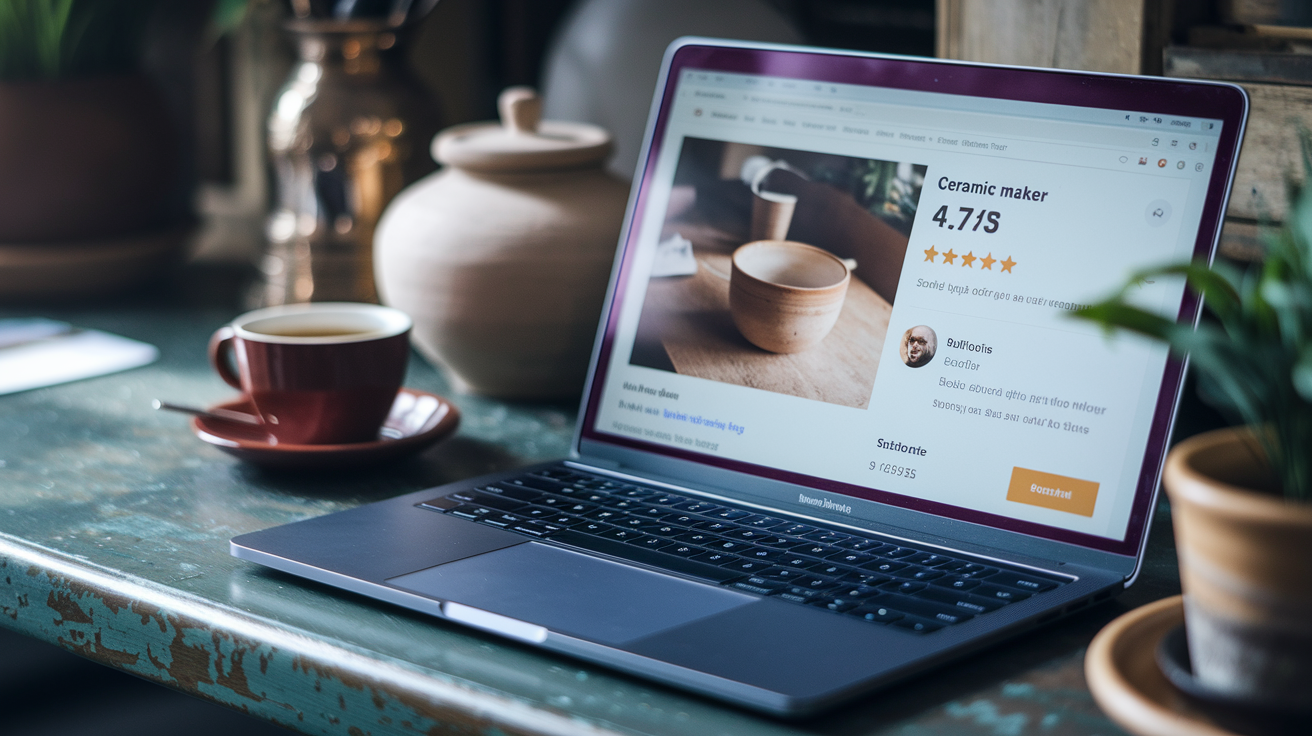
Look for numeric ratings and review counts on the artist’s website or Etsy shop. A score like 4.7 out of 5 from 120 reviews suggests consistent quality and good communication. Read a few recent reviews to see what buyers mention. Phrases like “packed carefully” or “responded fast to questions” signal reliability. Mixed reviews that mention slow turnaround or glaze surprises aren’t always bad. They show the artist is human and that handmade work varies slightly from piece to piece.
Check the maker’s portfolio for consistency across batches. If every planter looks wildly different in size or finish, the artist may still be experimenting. That’s fine if you want something truly unique, but it adds unpredictability. Potters who’ve been working for several years usually develop a recognizable style and reliable production rhythm.
Social proof like press mentions, gallery placements, or collaborations with local shops also indicates reputation. If a maker’s planters show up in cafes, design studios, or featured gift guides, other buyers and curators have already vetted the work. Some artists highlight social impact, like employing people in workforce re-entry programs or donating a percentage of sales. That adds another layer of trust and purpose to your purchase.
Tips to Discover New Local Artists Making Handmade Planters
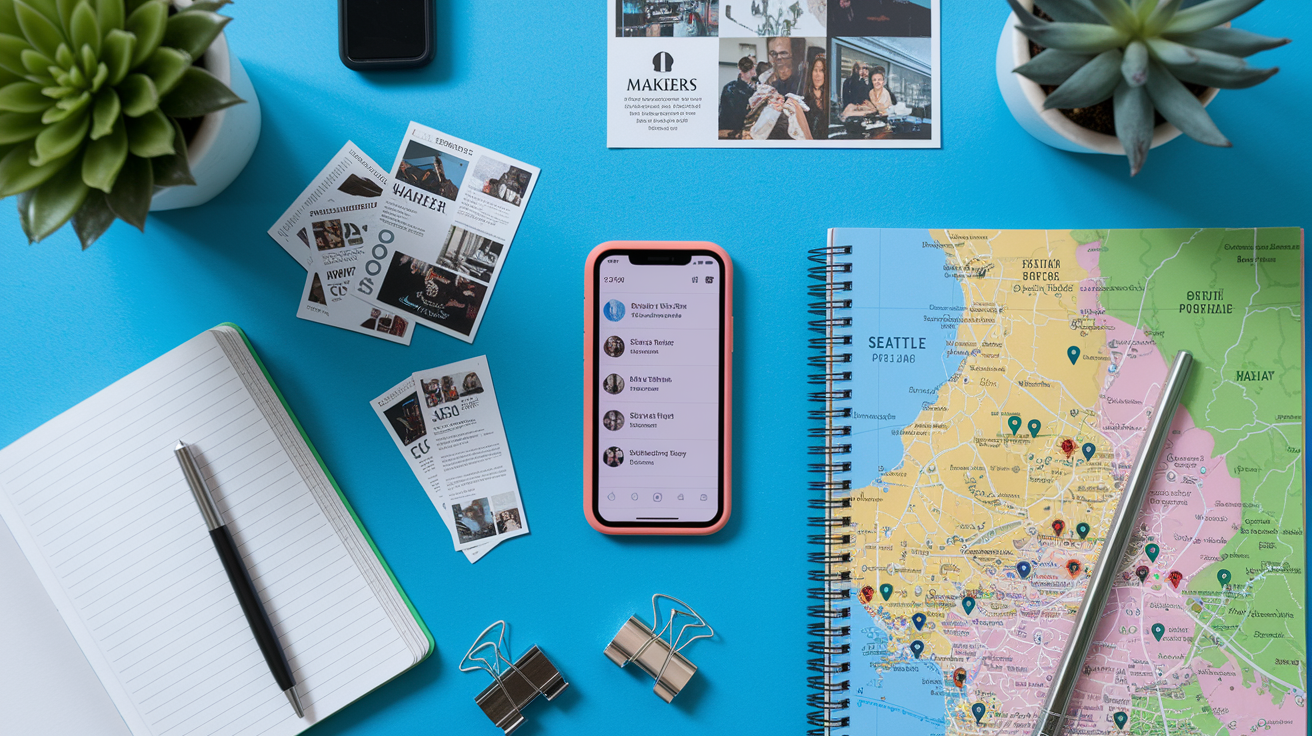
Instagram remains the fastest way to find potters who haven’t built full websites yet. Search location tags for your city plus “ceramics” or “pottery.” Scroll through recent posts and check how often the artist posts finished work. Potters who update weekly or monthly are actively producing and likely available for orders.
Five search tools to try:
- Instagram hashtags: #yourcityceramics, #handmadeplanterspnw, #localpottery
- Facebook neighborhood groups and local maker swap pages
- Online maker directories filtered by zip code, craft type, and price range
- City craft fair calendars published by arts councils or chamber sites
- Community bulletin boards in coffee shops, bookstores, and co-working spaces
Final Words
You’ve got a curated list of Seattle and Portland makers, clear notes on styles and materials, and a quick pricing sense to guide a realistic buy.
There are simple checks for quality, step-by-step commissioning tips, plus where to find studios, markets, and online drops so you actually meet makers or pick up pieces.
Combine what you learned—compare styles, ask about drainage and lead times, and read reviews. Now you can confidently shop for the best local artists for handmade planters and pots and enjoy a planter that fits your home.
FAQ
Q: Where can I find and discover handmade planters and local ceramic artists near me?
A: You can find handmade planters and local ceramic artists near you at maker markets, neighborhood studios, craft fairs like Pike Place Market, gallery shops, Instagram hashtags, and local maker directories.
Q: What materials and styles do local ceramic artists use for handmade planters?
A: Local ceramic artists use terracotta, stoneware, slip-cast clay, glazed and unglazed finishes; styles range from minimalist stoneware to retro small-batch and colorful mod pieces, affecting weight, porosity, and care.
Q: How do I check quality when buying handmade pots from local makers?
A: To check quality when buying handmade pots, inspect glaze consistency, wall thickness, firing method, drainage holes, and unglazed bases; ask about indoor versus outdoor suitability and frost resistance.
Q: How long do custom planter commissions take and what about deposits and pricing?
A: Custom planter commissions usually take 2–8 weeks; many makers ask for a 20–50% deposit; pricing varies by size, materials, and detail, with proofing and sample approvals before final firing.
Q: What are typical price ranges for handmade planters and pots?
A: Typical price ranges for handmade planters are small $20–$45, medium $45–$150, large $150–$400+, with custom commissions often $250–$800 and limited drops sometimes costing more.
Q: Where can I take pottery classes or attend local maker events to buy planters in person?
A: You can take pottery classes or attend maker events at neighborhood studios like Rain Ceramics, community centers, First Saturday markets, gallery shows, and studio pop-ups for hands-on learning and shopping.
Q: How should I read customer reviews and judge a potter’s reputation before buying?
A: To judge a potter’s reputation, look for photos in reviews, repeated praise for durability and shipping, consistent portfolios, healthy review counts, and recent active posts or market appearances.
Q: What should I expect from curated local maker lists and featured artists?
A: Curated local maker lists typically summarize each artist’s city, style, specialties, and price range, so expect Seattle and Portland mixes, unique aesthetics like mountain motifs, and notes on recycled packaging or limited drops.