

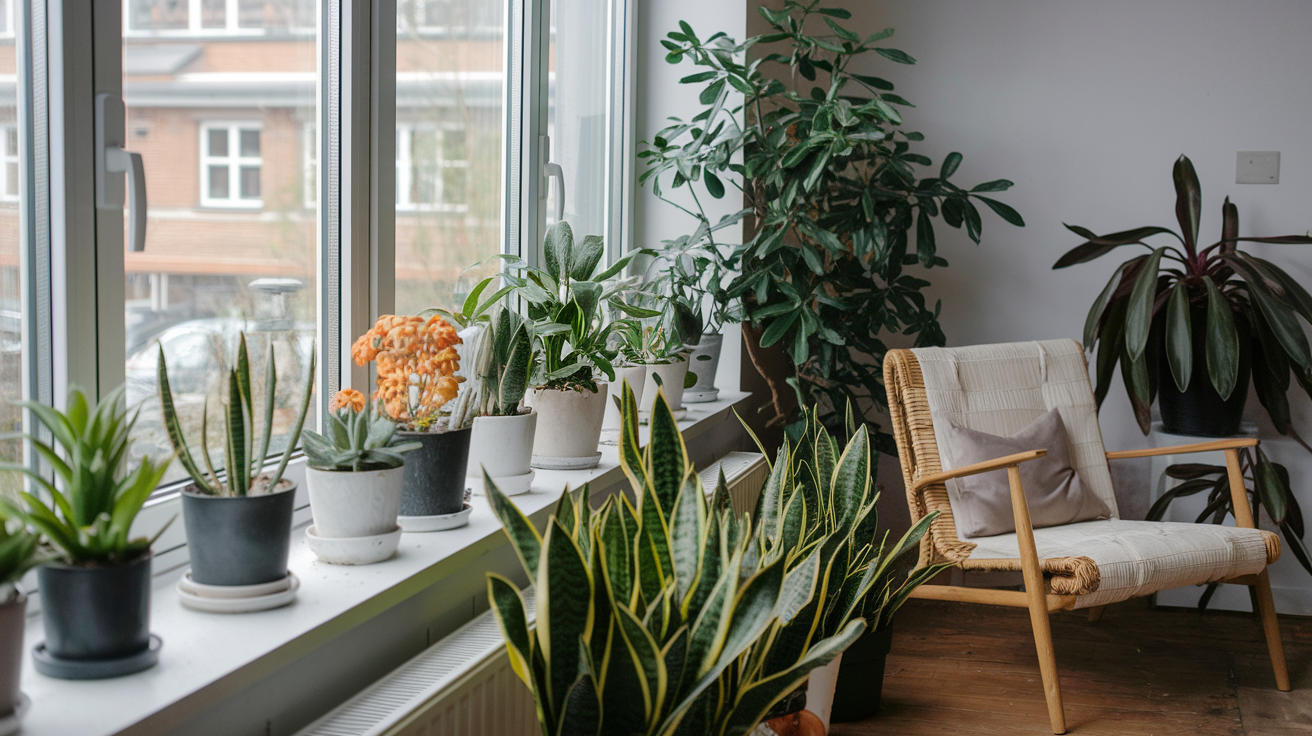

Think gardening needs a green thumb? Think again.
If you’ve ever killed a plant, let a seedling wilt, or realized you don’t have time for daily watering, this list is for you.
These low-maintenance plants forgive missed waterings, handle mixed light, and shrug off the pest problems that scare new growers.
We’ll show indoor and outdoor picks, like snake plants, pothos, marigolds and tomatoes, and explain simple care, placement, and quick wins so you can grow something healthy without a perfect schedule.
Quick-Start Guide to Low-Maintenance Plants for Beginner Gardeners
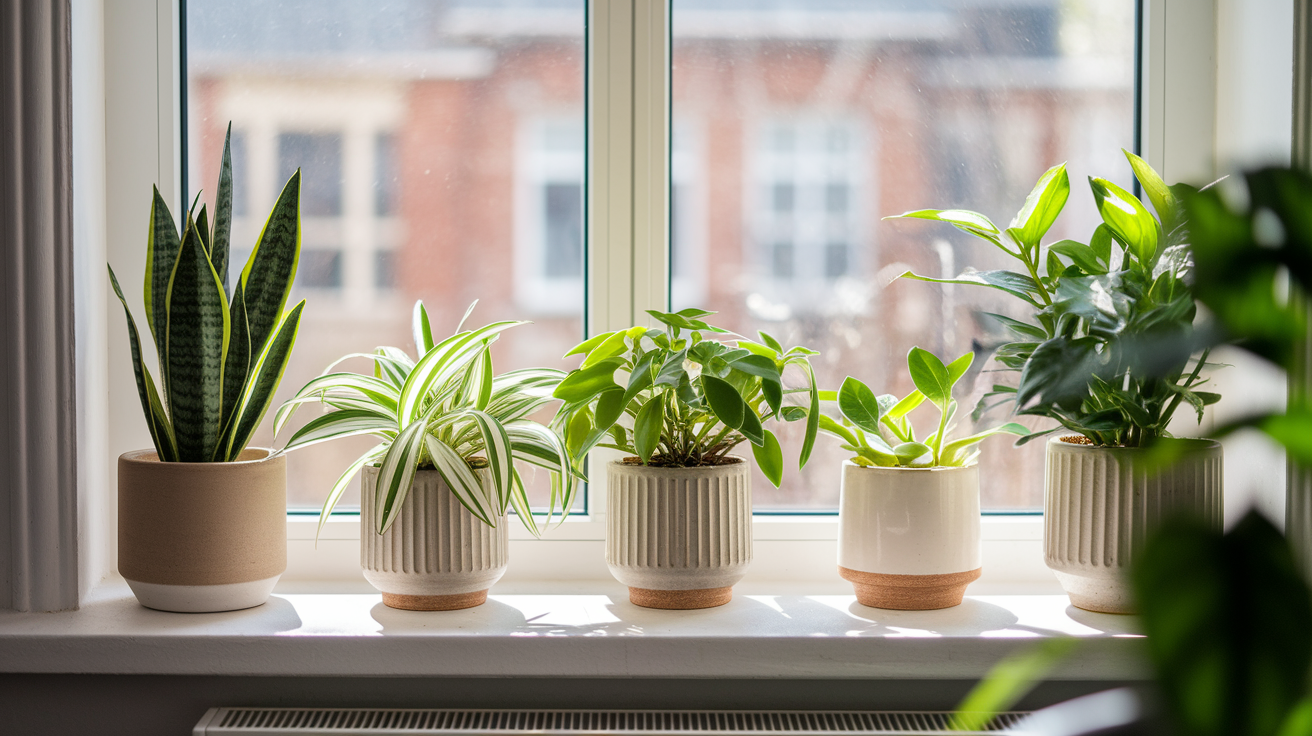
The best low-maintenance plants for beginner gardeners share one thing: they bounce back from forgotten waterings, tolerate uneven sunlight, and keep growing even when you’re still learning what “well-draining soil” actually means. If you’ve killed a houseplant or watched seedlings wilt after one hot afternoon, these species won’t hold it against you. They’re built to survive real homes and real schedules, not greenhouse conditions.
What makes these plants beginner-friendly is their flexibility. Most tolerate a range of light levels, from bright indirect windows to partly shaded garden corners. They forgive irregular watering better than fussier varieties. And they resist the pests and diseases that often discourage new gardeners. You won’t need specialty fertilizers, daily misting routines, or grow lights to keep them alive.
Choosing between indoor houseplants and outdoor options depends on your space and climate. Working with windowsills, counters, or a small apartment balcony? Stick with hardy indoor varieties like snake plants or pothos. If you have yard space, a patio, or even a few containers on a sunny step, outdoor picks like tomatoes, marigolds, and mint give you more hands-on growing experience without constant maintenance.
10 Recommended Low-Maintenance Plants for Beginners:
- Snake plant
- Pothos
- Spider plant
- ZZ plant
- Succulents
- Tomatoes
- Mint
- Rosemary
- Marigolds
- Zinnias
Indoor Low-Maintenance Plants Ideal for Beginner Gardeners
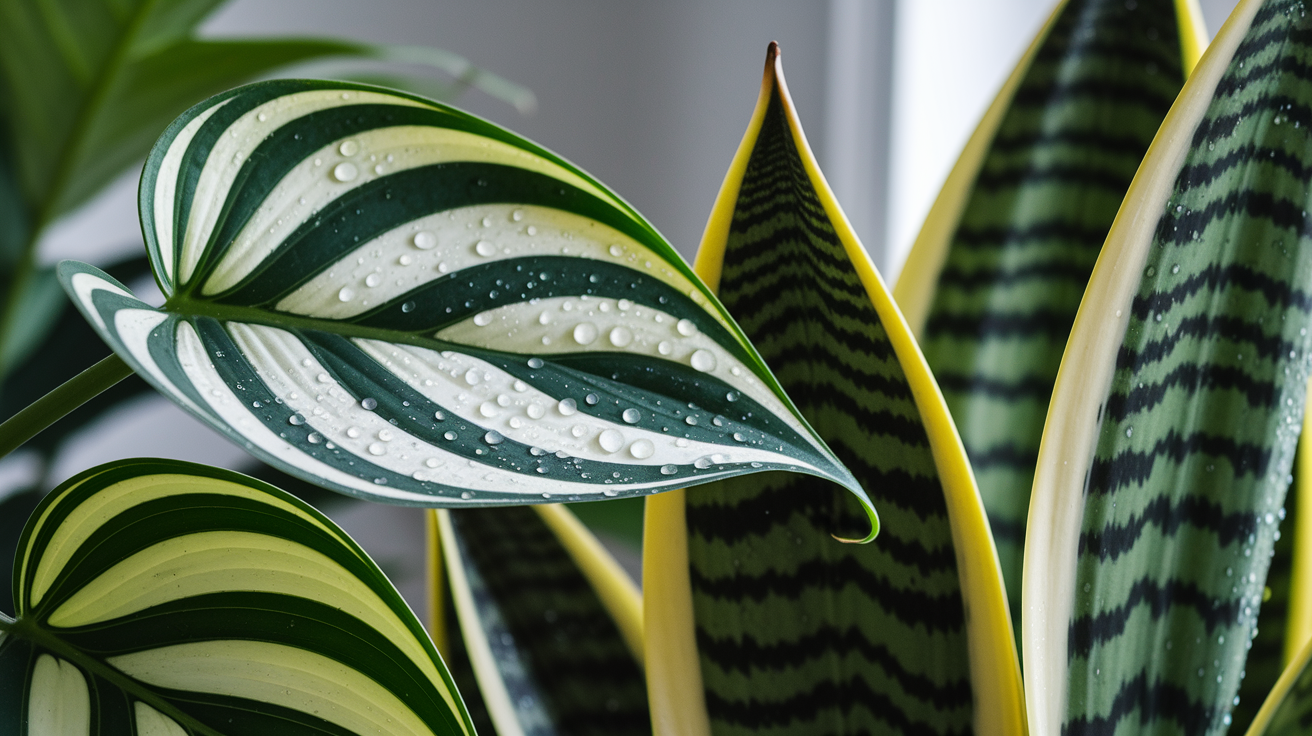
Indoor houseplants that survive beginner mistakes tend to share a few useful qualities. They grow slowly, tolerate dim corners or bright windows equally well, and don’t sulk if you miss a watering by a week. The four plants below are standard recommendations for a reason. They adapt to typical indoor conditions without demanding humidity trays, temperature adjustments, or fertilizer schedules you’ll forget to follow.
Overwatering kills more houseplants than underwatering, especially with species that store moisture in thick roots or fleshy leaves. If the soil still feels damp an inch below the surface, wait. These plants would rather dry out slightly between waterings than sit in soggy potting mix that leads to root rot.
Snake Plant Care Essentials
Snake plants tolerate low light better than most houseplants, which makes them useful for offices, bedrooms, and north-facing windows. They grow slowly, so you won’t need to repot often or trim back sprawling stems. Water only when the soil is completely dry, sometimes as infrequently as every two to three weeks in cooler months. The thick, upright leaves store moisture, so the plant can coast through occasional neglect without drooping or browning. If you tend to forget about your plants for stretches, this one won’t mind.
Pothos for Effortless Indoor Growth
Pothos vines grow fast once established, trailing over shelves or climbing up supports if you give them something to grab. They tolerate low to bright indirect light and forgive inconsistent watering better than most trailing plants. If a vine gets too long or leggy, snip it and stick the cutting in water. It will root in a week or two, giving you a new plant for free. Water when the top inch of soil feels dry. Yellow leaves usually mean too much water, while brown, crispy tips suggest too little or very dry air. But pothos adapt to average indoor humidity without complaint.
Spider Plant for Bright, Low-Stress Spaces
Spider plants prefer bright, indirect light and will send out long arching leaves dotted with small plantlets (baby spider plants) that dangle from thin stems. Those baby plants root easily in soil or water, so one spider plant often turns into several without any effort. They grow quickly and tolerate occasional missed waterings, though they prefer evenly moist soil during active growing months. The tips may brown if your tap water is high in fluoride or salts, but trimming those tips doesn’t hurt the plant. Spider plants are often listed as air-purifying. While they won’t replace an air filter, they do process indoor air pollutants at a modest rate.
ZZ Plant for Neglect-Friendly Conditions
ZZ plants grow from thick rhizomes that store water, so they can survive weeks without watering and bounce back from serious drought. They tolerate low light, average humidity, and indoor temperatures without fuss. Growth is slow, which means less pruning and repotting. Pests rarely bother ZZ plants, and the glossy, dark green leaves stay clean with an occasional wipe. Water only when the soil is dry several inches down. Overwatering is the only common way to damage this plant, so when in doubt, wait another few days.
Outdoor Low-Maintenance Plants for Beginner Gardeners
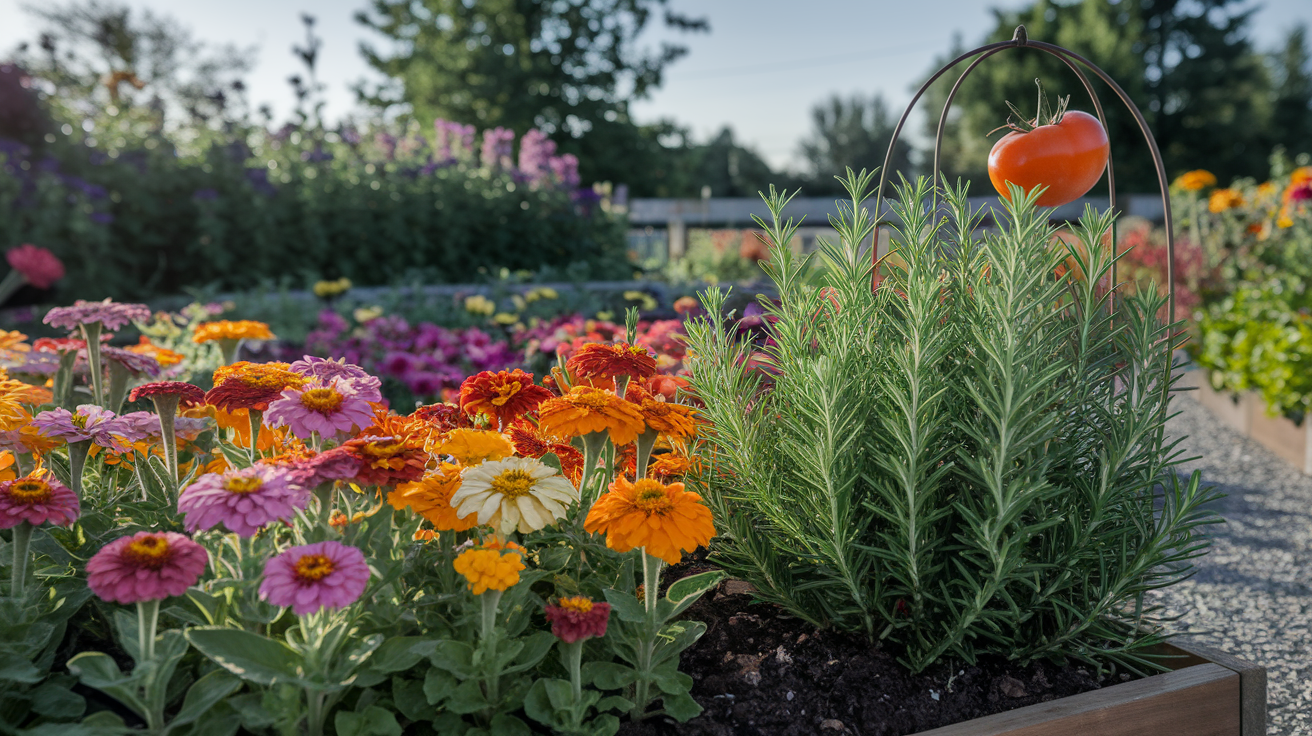
Outdoor perennials and annuals that thrive with minimal care tend to tolerate heat, bounce back from inconsistent watering, and resist the pests that target more delicate garden plants. The species below establish quickly, don’t require staking or daily deadheading, and keep producing flowers or foliage through the growing season without constant intervention. Most adapt to average garden soil and typical sunlight exposure. Fewer soil amendments, less fertilizer, and less second-guessing about placement.
Hardy varieties like zinnias, marigolds, and sunflowers handle summer heat and full sun without wilting by mid-afternoon. Cool-season crops like pansies and lettuce tolerate spring and fall temperatures that would stress warm-weather plants. Drought-tolerant picks like rosemary and sunflowers survive dry spells better than plants bred for constant moisture, reducing how often you need to drag out the hose. Seasonal care usually means one spring cleanup, occasional watering during dry weeks, and maybe a midseason trim to encourage fresh growth.
Key outdoor planting guidelines for beginners:
- Plant sun-lovers (zinnias, sunflowers, tomatoes) where they’ll get at least six hours of direct light daily.
- Cool-season crops (pansies, lettuce, radishes) go in early spring or late summer when soil temps stay below 70°F.
- Fast growers (radishes, lettuce) can be ready to harvest in three to eight weeks, giving you quick wins.
- Sprawling or vining plants (cucumbers, some tomatoes) need cages, trellises, or room to spread.
- Most outdoor annuals and perennials prefer soil that drains well. If water pools after rain, add compost or plant in raised beds.
Avoiding Common Beginner Gardening Mistakes with Low-Maintenance Plants
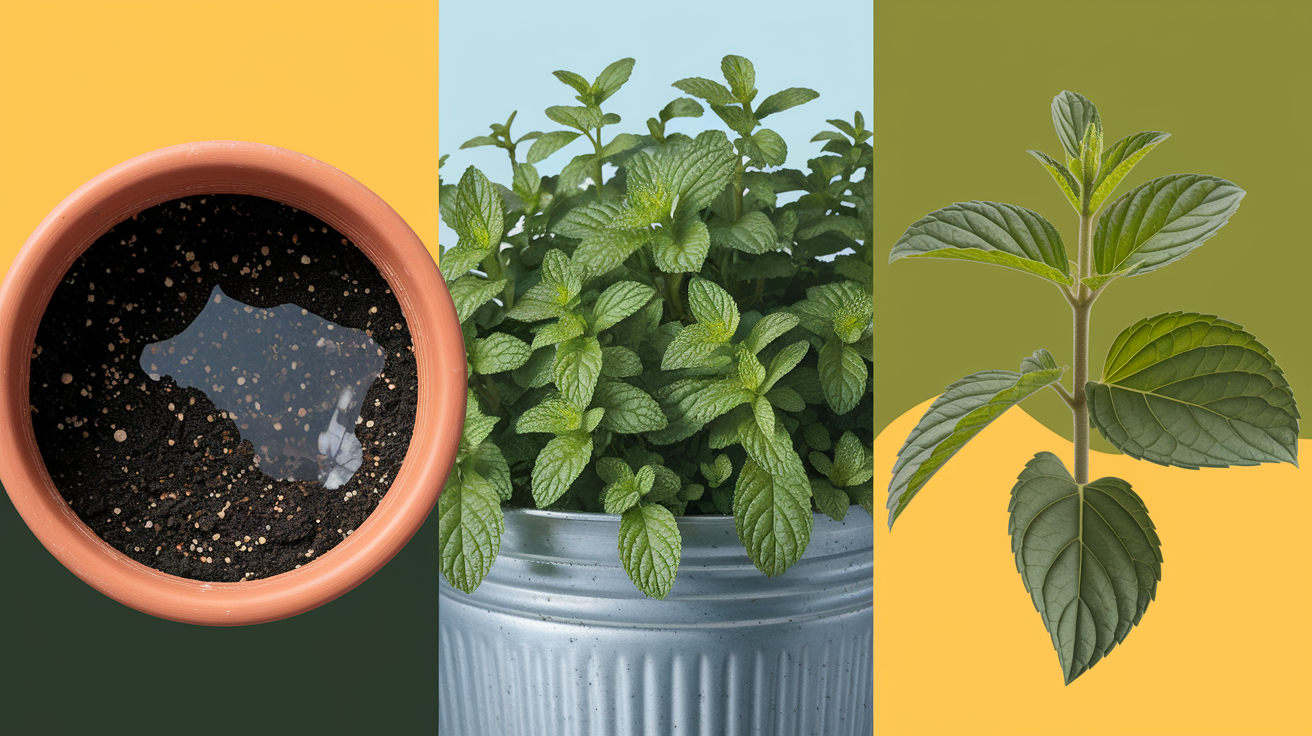
Overwatering causes more plant deaths than any other beginner mistake. Most low-maintenance species prefer drying out slightly between waterings, especially succulents, snake plants, and ZZ plants. If the soil surface still looks dark and feels cool or damp when you press a finger an inch down, wait. Roots sitting in constantly wet soil can’t access oxygen, which leads to root rot, yellowing leaves, and eventual collapse. When in doubt, underwater rather than overwater.
Placement errors show up as stressed growth, pale leaves, or plants that stretch toward light sources. Mint planted directly in garden beds will spread through underground runners and take over neighboring plants within a season. Grow it in a buried container or a large pot instead. Cucumbers grown without support produce misshapen fruit and become prone to fungal issues when vines sit on damp soil. Tomatoes, basil, and marigolds planted before the last spring frost often stall or die back when nighttime temperatures drop unexpectedly.
Timing mistakes affect outdoor plants more than indoor ones. Starting warm-season crops too early means replanting after frost damage. Planting cool-season lettuce or radishes in late June usually results in bolting (going to seed) before you get a full harvest. Check your local last-frost date before putting tender plants in the ground, and save cool-weather crops for early spring or late summer planting windows.
| Plant | Problem | Prevention |
|---|---|---|
| Snake plant, ZZ plant, succulents | Root rot from overwatering | Water only when soil is fully dry; use pots with drainage holes |
| Mint | Spreads aggressively, overtakes garden beds | Grow in containers or bury an 18-inch barrier around planting area |
| Tomatoes, basil, marigolds | Frost damage from early planting | Wait until after last spring frost date to transplant outdoors |
Light, Water, and Soil Basics for Low-Maintenance Plant Success
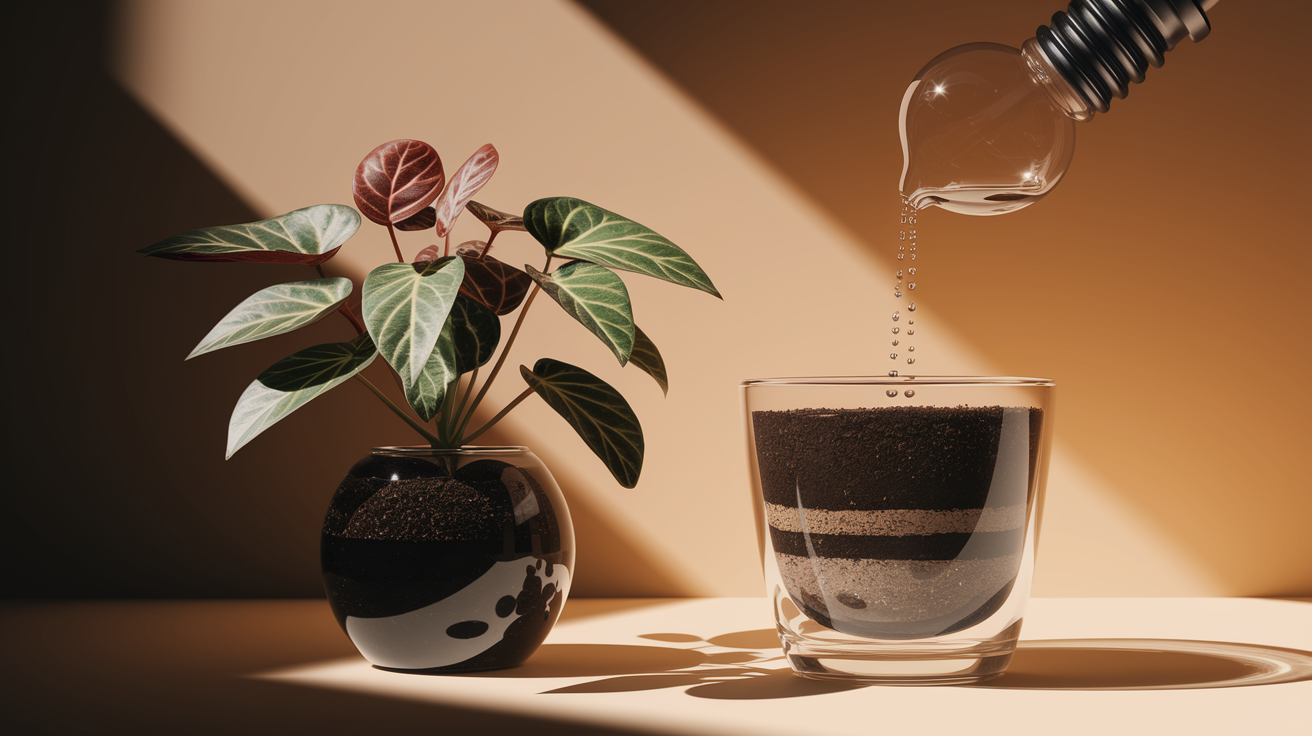
Matching plants to the right light conditions prevents most growth problems before they start. Full-sun plants like sunflowers, zinnias, and tomatoes need at least six hours of direct sunlight daily. Anything less results in weak stems, fewer flowers, and lower yields. Partial-shade options like mint, lettuce, and pansies tolerate morning sun or dappled light beneath taller plants and often prefer cooler conditions during the hottest part of the day. Indoor plants labeled for low light, including snake plants and ZZ plants, survive in dim corners but grow faster near bright, indirect windows.
Watering frequency depends more on soil drainage and temperature than a fixed schedule. Outdoor plants in containers dry out faster than in-ground beds, sometimes needing water daily during hot weeks. In-ground perennials and annuals usually do fine with deep watering once or twice a week, depending on rainfall. Indoor houseplants generally need less frequent watering, especially in cooler months when growth slows. Stick your finger into the soil an inch or two down. If it feels dry, water until it drains from the bottom of the pot or soaks several inches into garden soil.
Soil quality affects how well plants establish and how often they need supplemental feeding. Tomatoes grow best in compost-rich beds with good drainage. Adding three inches of compost before transplanting gives them the nutrients they need for the season. Basil, spinach, and lettuce prefer light, well-draining soil that doesn’t compact after watering. Sunflowers tolerate poor, rocky soil as long as it drains well and doesn’t stay soggy. Marigolds adapt to most garden soils but perform better when the soil stays slightly moist, not dry or waterlogged. Potatoes need about an inch of water per week and benefit from loose soil that allows tubers to expand without resistance.
Universal care basics that work for most low-maintenance plants:
- Check soil moisture before watering. Don’t water on a fixed schedule.
- Use pots with drainage holes for indoor plants and succulents.
- Add a two-to-three-inch layer of mulch around outdoor plants to retain moisture and reduce weeds.
- Plant sun-lovers where they’ll get six-plus hours of direct light. Shade-tolerant species in morning sun or filtered light.
- Fertilize sparingly. Most low-maintenance plants grow fine in average soil without weekly feeding.
Pet-Safe and Child-Friendly Low-Maintenance Plant Options
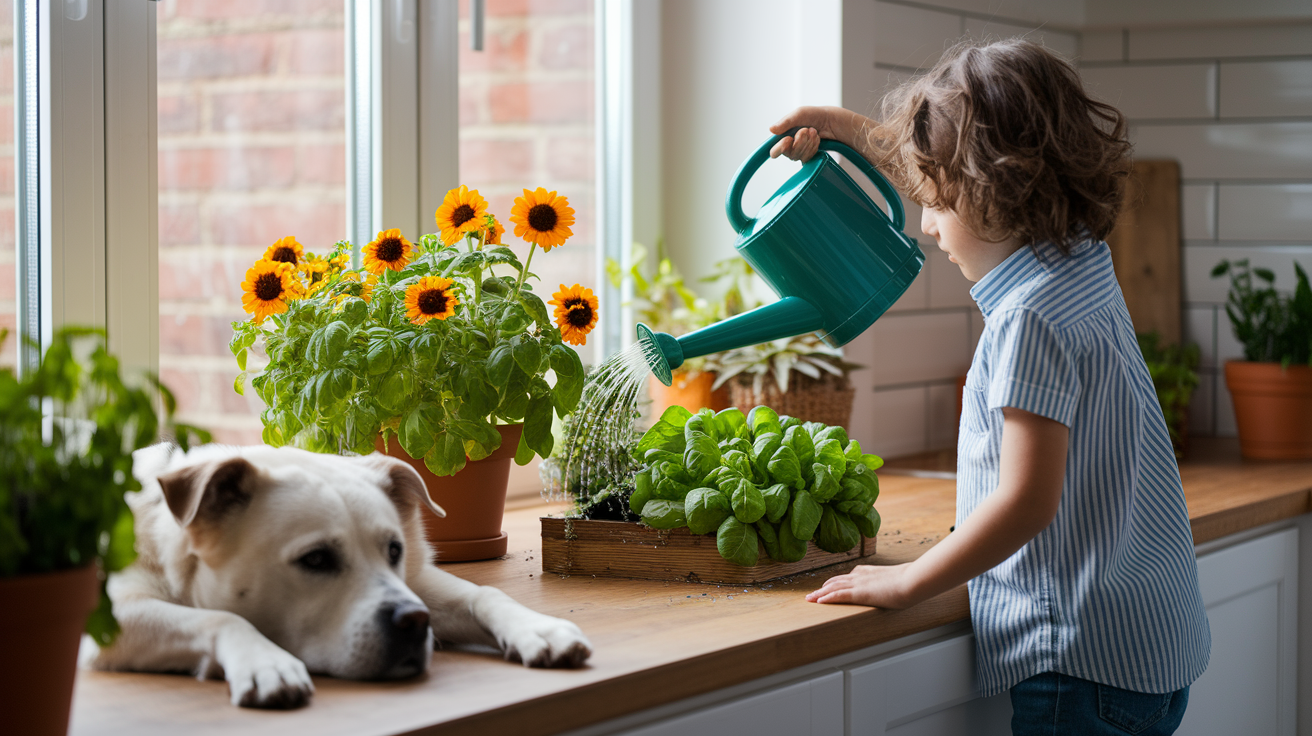
Basil, marigolds, sunflowers, and spinach are generally considered safer choices for homes with curious pets and young kids. These plants don’t contain the toxic compounds found in some popular houseplants and garden species, so accidental nibbling is less likely to cause serious issues. That said, no plant is meant to be eaten in large quantities by pets, and even non-toxic plants can cause mild stomach upset if chewed.
Tomato and potato plants produce edible fruits, but the foliage, stems, and any green or unripe parts contain solanine, a compound that can be harmful to dogs and cats if ingested. Keep pets away from tomato and potato plants, and don’t leave green tomatoes or potato sprouts within reach. If you’re growing these in a yard or patio where pets roam, consider using low fencing or planting them in raised beds pets can’t easily access. Always check plant safety for your specific pet species before bringing anything new into the house or garden, and contact a veterinarian if your pet chews on unknown plants.
Safer low-maintenance plant options for households with pets and children:
- Basil: safe for most pets, commonly used in cooking, so familiar to kids.
- Marigolds: non-toxic and brightly colored, but the strong scent usually deters chewing.
- Sunflowers: large, obvious, and generally safe. Seeds are a snack for humans and birds.
- Spider plant: considered non-toxic to cats and dogs, though some cats chew the leaves out of boredom.
Budget-Friendly Low-Maintenance Plants for Beginner Gardeners

Most beginner-friendly plants cost less than a takeout meal, especially if you start from seed or buy small transplants instead of fully grown specimens. Seed packets for basil, mint, radishes, marigolds, and zinnias typically run two to five dollars and contain enough seeds for multiple plantings or several garden rows. Potted herbs like basil, mint, and rosemary usually cost between two and eight dollars at garden centers and grocery stores, and they’re often already large enough to start harvesting right away. Small transplants for tomatoes, peppers, and annual flowers range from three to eight dollars, while larger containers or specialty varieties can reach fifteen dollars.
Shopping at local garden centers, big-box home improvement stores, or online seed retailers gives you the widest selection and the best chance of finding region-appropriate varieties. Many garden centers also sell discounted or clearance plants mid-season, which can be a good deal if you’re willing to nurse them back with consistent watering and a bit of trimming. Starting a beginner garden with six to ten low-maintenance plants usually costs between twenty and fifty dollars total, depending on whether you choose seeds, small transplants, or a mix of both.
| Plant | Typical Price | Best for |
|---|---|---|
| Seed packets (basil, radishes, marigolds, zinnias) | $2–$5 per packet | Budget-conscious gardeners willing to wait for germination |
| Potted herbs (basil, mint, rosemary) | $2–$8 each | Immediate harvest; windowsill or small outdoor container gardens |
| Transplants (tomatoes, peppers, marigolds) | $3–$15 each | Faster results; skipping the seed-starting phase |
Final Words
In the action: this guide gave quick-start picks for easy indoor and outdoor growers, simple care basics, common mistakes to skip, and budget-friendly choices you can find at any garden center.
You’ve got short care notes for snake plant, pothos, spider plant, ZZ, succulents, plus outdoor winners like tomatoes, mint, rosemary, marigolds, and zinnias. Use light, water, and soil tips to match plants to your space.
Use this list to pick the best low-maintenance plants for beginner gardeners. Start small, a weekend or a few pots, and enjoy steady success.
FAQ
Q: What is the best plant for a beginner gardener? / What are good low maintenance plants for beginners?
A: The best plant for a beginner gardener and good low-maintenance plants for beginners are forgiving choices like snake plant, pothos, spider plant, ZZ, succulents (indoors), and tomatoes, mint, rosemary, marigolds, zinnias (outdoors).
Q: What is the 70/30 rule in gardening?
A: The 70/30 rule in gardening is a design guideline suggesting roughly 70% structural or foliage plants and 30% showy flowering accents, which creates visual balance and keeps maintenance simpler.
Q: What is the 80 20 rule in gardening?
A: The 80 20 rule in gardening applies the Pareto idea: focus 20% of your effort on high-impact tasks or plants that deliver about 80% of the results, like soil prep, watering, and pruning.