


Your store-bought cleaners are doing more harm than good.
An eco-friendly cleaning recipes ebook lets you swap them out in minutes with pantry staples.
It gives step-by-step formulas for kitchens, bathrooms, floors, glass, laundry, and specialty jobs, plus safety notes, shelf-life tips, printable labels, and simple cost comparisons.
You can mix a batch at the sink right after downloading.
This ebook shows easy, safe, budget-friendly recipes for every room so cleaning becomes healthier, cheaper, and actually doable.
Instant Access to Your Eco‑Friendly Cleaning Recipes Ebook
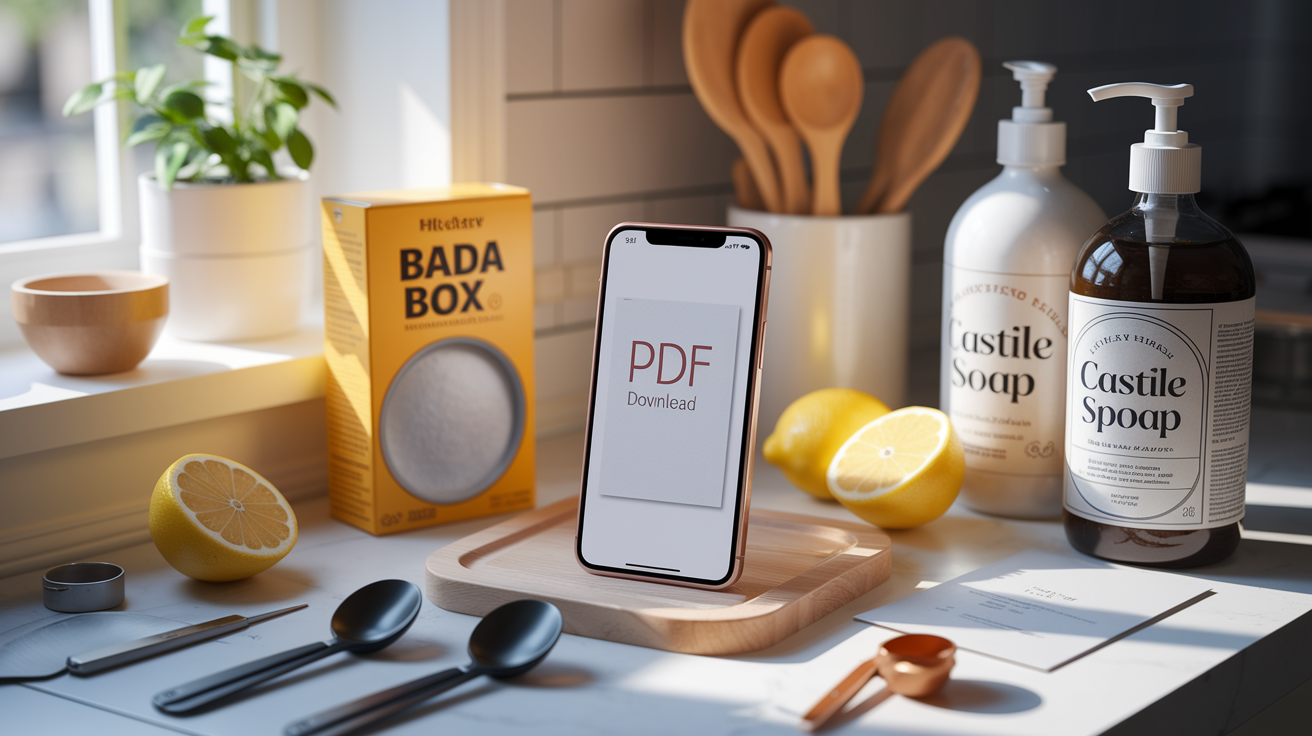
When you download an eco‑friendly cleaning recipes ebook, you get immediate access to a full library of natural cleaning formulas, ingredient lists, and step‑by‑step mixing directions. Most come as a PDF you can save to your phone, tablet, or computer. The whole point is swapping out harsh commercial cleaners for simple homemade versions you can mix from things already sitting in your pantry. You can start your first batch within minutes of downloading, and the good ones include exact measurements and usage notes for every single recipe.
These files are built to work on mobile devices, so you can pull up the PDF on your phone while you’re standing at your kitchen sink ready to mix. If you want hard copies of recipe cards or quick reference sheets, print them from a laptop or desktop for the cleanest results. Most ebooks break everything into clear sections so you can skip straight to the room or surface you’re tackling without digging through unrelated stuff.
A typical ebook includes:
- Recipes for kitchens, bathrooms, floors, glass, laundry, and specialty surfaces
- A full ingredient list with tips on where to buy things and simple swaps if you’re missing something
- Safety reminders about shelf life, spot testing, and which surfaces to avoid
- Cost breakdowns comparing your homemade batch to what you’d pay at the store
- Printable labels and measuring charts to keep your cleaning station organized
- Storage and dilution advice so you don’t accidentally make too much or waste product
Access is simple. After you buy, you’ll get an email with a download link. Check spam if it doesn’t show up in a few minutes. Digital downloads can’t be refunded because you get instant access, and most are licensed for one user, meaning you shouldn’t share the file or link. Print from a desktop if you want the clearest recipe cards or labels.
Natural Ingredients Used in Eco‑Friendly Cleaning Recipe Ebooks

The ingredient pantry in most eco‑friendly cleaning ebooks is short and built around items you probably already own or can grab at any grocery store. Baking soda works as a gentle scrub and deodorizer. White vinegar dissolves dirt and soap scum. Liquid castile soap cuts through grime without synthetic additives. You’ll also see alcohol (vodka or rubbing alcohol) for disinfecting and adding shine to glass, plus a few essential oils for scent and grease cutting. Washing soda or borax shows up in tougher scouring formulas, and cornstarch sometimes gets added to glass cleaners to stop streaking.
Safety matters here. White vinegar will etch or corrode natural stone countertops, marble, granite, and aluminum. Don’t use it on those surfaces. Essential oils should be used sparingly. Citrus oils cut grease and smell bright, tea tree oil gives a clean, slightly medicinal scent, and lavender adds a calm note. If you don’t have castile soap, liquid dish soap can work in small amounts, though castile is gentler and breaks down easier in the environment.
| Ingredient | Function | Notes |
|---|---|---|
| Baking soda | Deodorizer, gentle abrasive | Safe on most surfaces; mix with water or soap for scrubbing |
| White vinegar | Dissolves dirt, soap scum, mineral deposits | Do NOT use on stone, marble, or aluminum |
| Castile soap | Cuts grime and dirt | Biodegradable; substitute liquid dish soap if needed |
Eco‑Friendly Cleaning Ebook Recipes for Kitchens
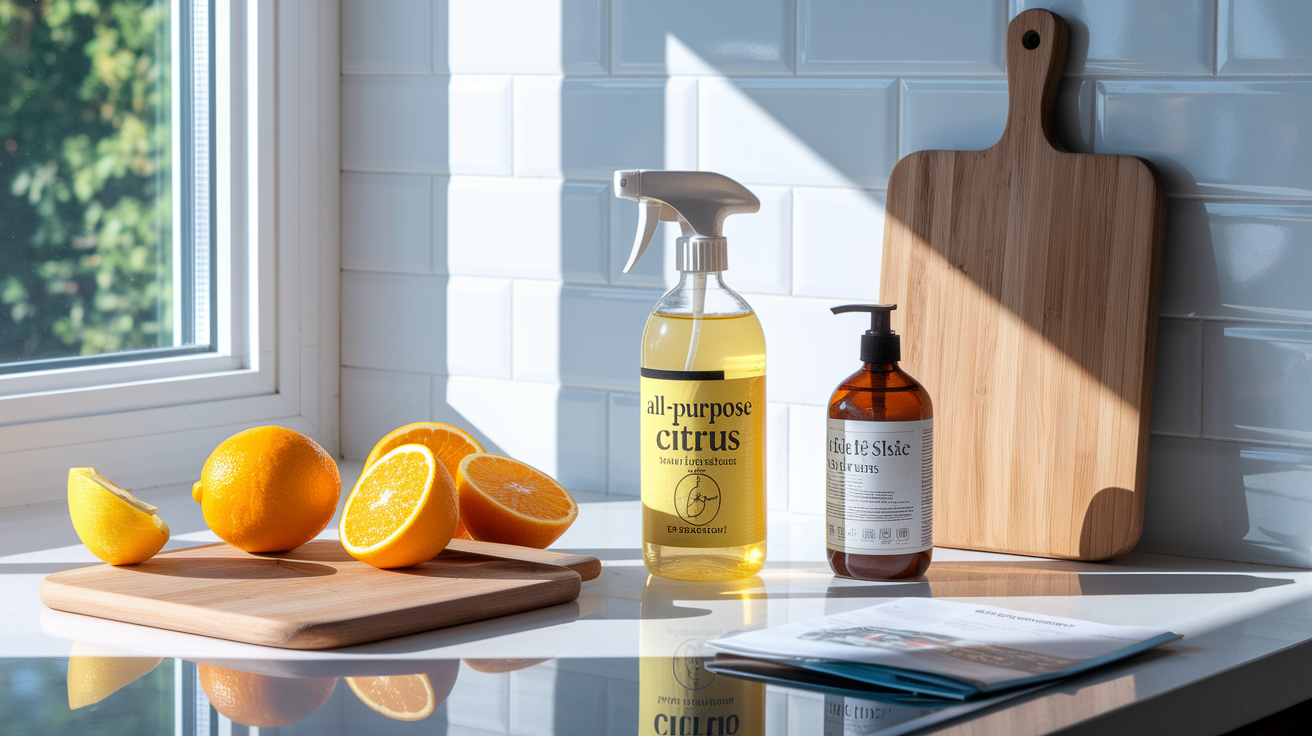
Kitchen chapters usually cover countertops, stovetops, cabinets, floors, and appliances. You’ll find all‑purpose citrus sprays that blend castile soap with lemon or orange essential oil to tackle grease, cabinet washes made with Murphy’s Oil Soap or something similar for wood‑safe cleaning, and scouring powders that handle baked‑on oven mess or stubborn sink stains. Most of these are meant to be mixed in small batches and used the same day, especially if they contain water, because homemade formulas don’t have the preservatives that keep store‑bought cleaners stable for months.
Typical kitchen recipes include:
- All‑purpose citrus spray (castile soap, citrus essential oil, water) for daily countertop wipes and stovetop spills
- Scouring powder (baking soda, washing soda or borax, citrus oil) for sinks, stovetops, and oven interiors
- Cabinet wash (Murphy’s Oil Soap, warm water, optional cedarwood or juniper berry oil) for wiping down wood or laminate cabinet fronts
- Kitchen floor cleaner (castile soap, lemon essential oil, hot water) best used while the water’s still warm
- Refrigerator deodorizer (baking soda in an open container, sometimes with a few drops of lemon oil on a cotton ball tucked inside)
Safe‑use notes usually come with every recipe. Skip vinegar‑based sprays on granite or marble counters. Mix water‑based sprays in small amounts and tuck them in the fridge if you need them to last more than a day or two. Shake sprays before each use because natural ingredients separate. And if you’re cleaning wood cabinets, spot test any new formula on a hidden corner first to make sure it doesn’t leave a hazy film or dull the finish.
Eco‑Friendly Bathroom Cleaning Recipes Featured in Ebooks

Bathroom chapters focus on mold‑prone surfaces, soap scum, hard water stains, and toilet bowls. A common formula is a tea tree bathroom cleaner made with castile soap, tea tree essential oil, and peppermint essential oil mixed into water. Tea tree oil gives a fresh, slightly medicinal scent that a lot of people associate with clean bathrooms, and it’s often chosen more for its deodorizing aroma than any proven germ‑killing power. These water‑based sprays should be mixed in small batches and used the same day to avoid spoilage.
Scouring formulas show up a lot for tile grout, tub rings, and toilet bowls. An easy soft scrub blends baking soda with a small amount of castile soap and just enough water to create a thick paste you can apply with a sponge or brush. For tougher buildup, some ebooks include a two‑ingredient scouring powder made with baking soda and washing soda or borax, plus a few drops of citrus essential oil. These dry powders can be mixed ahead and stored in a jar, then sprinkled onto a wet sponge when you’re ready to scrub.
Always rinse well after using any scrub, especially on fiberglass tubs or acrylic shower pans, because leftover powder can leave a gritty residue. If you’re dealing with mold on grout or caulk, a paste of baking soda and a few drops of tea tree oil can sit on the surface for 10 to 15 minutes before scrubbing, though stubborn mold may need professional help or a stronger treatment. Spot test any new cleaner on a hidden tile or grout line before using it across your whole shower.
Floor, Glass, and Multi‑Surface Recipes Inside an Eco‑Friendly Cleaning Ebook
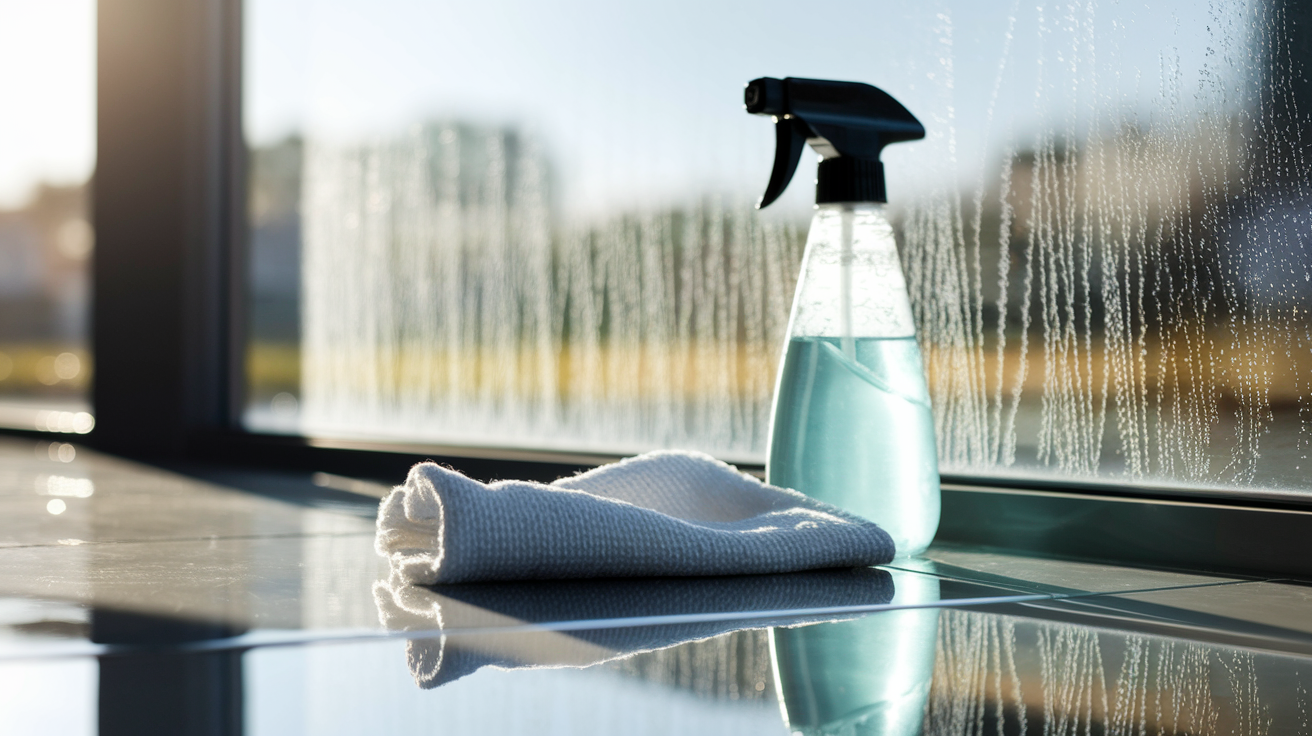
Floor and glass recipes usually get their own chapters or get grouped together under “surfaces” because the formulas are simple and quick to mix. A typical kitchen floor cleaner calls for castile soap, lemon essential oil, and a gallon of hot water. Mix it in a bucket and mop while the water’s still warm for the best grease‑cutting action. For glass and mirrors, you’ll often see a blend of white vinegar, water, and a pinch of cornstarch, sometimes with a tablespoon of vodka or rubbing alcohol added for extra shine and faster drying. Water‑based glass cleaners have a short shelf life, usually one to two days, so most ebooks tell you to mix just enough for the job at hand.
Multi‑surface sprays work on laminate counters, painted walls, light switches, and door handles. A basic version combines water, a few tablespoons of vodka or rubbing alcohol, and a small amount of castile soap. Shake the bottle before each use because the soap and alcohol separate. These sprays aren’t meant for natural stone, unsealed wood, or electronics.
Common formulas you’ll find:
- Floor cleaner for tile, laminate, or sealed hardwood (castile soap, essential oil, hot water)
- Window and glass cleaner (vinegar, water, cornstarch, optional alcohol for streak‑free drying)
- Daily mirror spray (vinegar and water, or just alcohol and water for quick shine)
- Multi‑surface counter spray (water, alcohol, castile soap, safe for most non‑porous surfaces)
Streak‑free results depend on using clean, lint‑free cloths. Old t‑shirts or microfiber work well. Buff the glass dry right after spraying. If your tap water is very hard, consider using distilled water in glass cleaners to avoid mineral spots.
Specialty Recipes Included in Eco‑Friendly Cleaning Ebooks

Specialty chapters cover less frequent tasks like polishing wood furniture, freshening upholstery, making reusable dusting cloths, and formulating pet‑safe or kid‑friendly cleaners. Wood furniture spray is popular: olive oil mixed with a few drops of lemon essential oil and white vinegar, shaken in a spray bottle and applied lightly with a soft cloth. This formula has a shelf life of about one month, and you should always spot test it on a hidden area of your furniture first because some finishes can cloud or streak.
Dusting cloths get made by soaking cut‑up t‑shirt squares in a mixture of jojoba or olive oil, essential oil, and hot water. You squeeze out the excess, hang the cloths to dry, and store them in a jar. After use, hand wash them in warm soapy water and line dry. Never tumble dry oil‑soaked rags because they can be flammable. Pet‑safe cleaners avoid essential oils that are toxic to cats or dogs, and some ebooks include a dedicated page listing which oils are safe and which to skip entirely.
| Recipe Type | Key Ingredients | Shelf Life |
|---|---|---|
| Wood furniture spray | Olive oil, lemon essential oil, white vinegar | ≈ 1 month |
| Reusable dusting cloths | Jojoba or olive oil, essential oil, hot water, cloth squares | Hand wash after each use; cloths last months |
| Pet-safe all-purpose spray | Castile soap, water, no toxic essential oils | Use same day; mix small batches |
Kid‑friendly formulas are similar to standard recipes but often skip strong‑scented oils or use gentler options like lavender. Some ebooks also include air freshener sprays made with vodka, a few drops of essential oil, and water. These last several weeks if stored in the fridge and work well in closets, bathrooms, or laundry rooms.
Safety, Shelf Life, and Storage Guidance Found in Eco‑Friendly Cleaning Ebooks
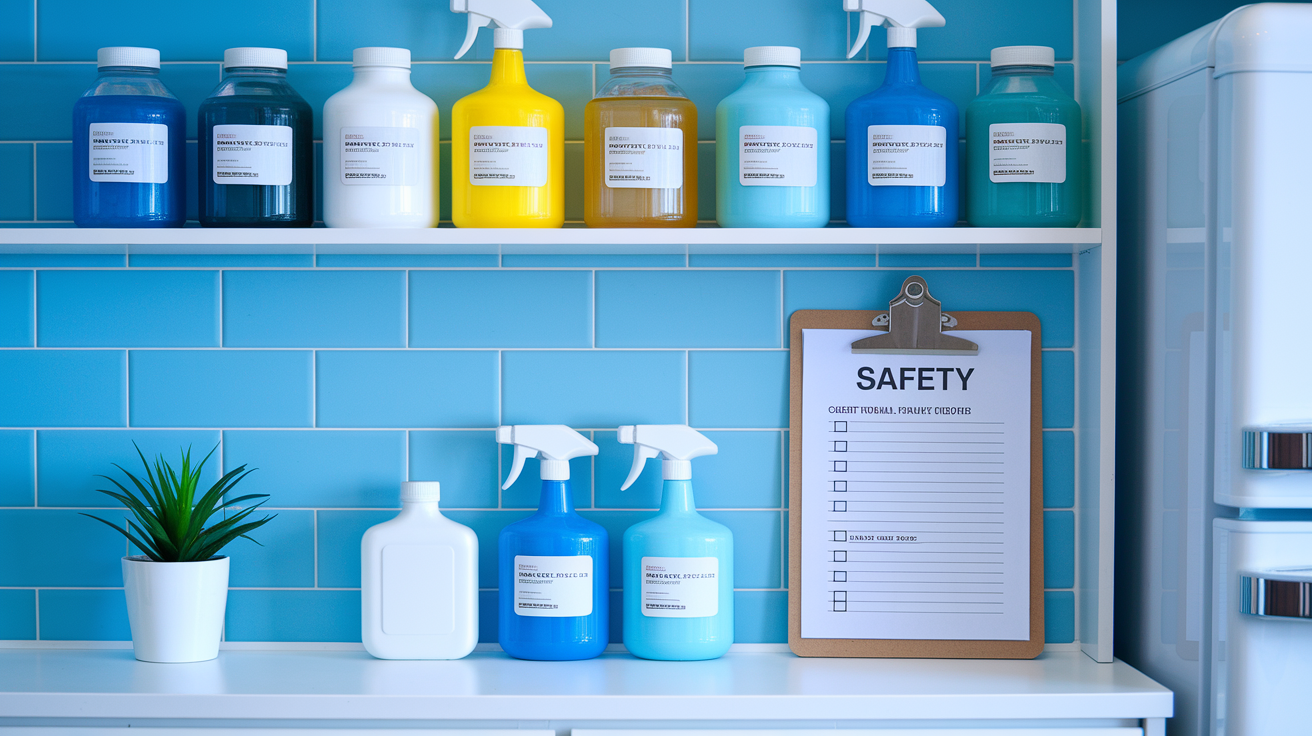
Shelf‑life guidance is one of the most important sections in any eco‑friendly cleaning ebook because homemade cleaners don’t contain synthetic preservatives. Water‑based sprays like all‑purpose citrus cleaner, counter spray, and bathroom cleaner should be used within one to two days. If you need a batch to last longer, store it in the refrigerator, though even cold storage won’t extend the life beyond a few days for high‑water formulas. Air freshener sprays made with at least 50 percent alcohol can last several weeks, and wood furniture spray with oil and vinegar has a shelf life of about one month.
Dry scouring powders can be mixed ahead and stored in sealed jars because they don’t contain water. Cabinet wash should be tossed after one day, and kitchen floor cleaner works best when the water’s still warm, so plan to use it right after mixing. Some ebooks discuss preservatives like Liquid Germall Plus, sodium benzoate, or potassium sorbate for readers who want to make larger batches, but these additives come with their own safety notes. Liquid Germall Plus, for example, should not be used in aerosolized sprays.
Always spot test any new cleaner on a hidden area before using it on a large or visible surface. Vinegar is safe on glass and most tile but will damage natural stone, marble, granite, and aluminum. Oil‑soaked rags and cloths can spontaneously combust if stored in a pile or tossed in a dryer, so always hand wash them and hang them to air dry. If you have allergies or sensitivities, start with unscented versions of each recipe and add essential oils only after you’ve confirmed the base formula works for you.
Essential safety reminders:
- Mix water‑based sprays in small batches and use within 1 to 2 days
- Never use vinegar on stone, marble, or aluminum
- Spot test all formulas on hidden surfaces first
- Store dry powders in sealed containers and label everything clearly
- Hand wash and line dry any rags or cloths soaked in oil
- Keep homemade cleaners out of reach of children and pets, and label bottles clearly to avoid accidental ingestion
Budget‑Friendly and Zero‑Waste Advantages Highlighted in Eco‑Friendly Cleaning Ebooks
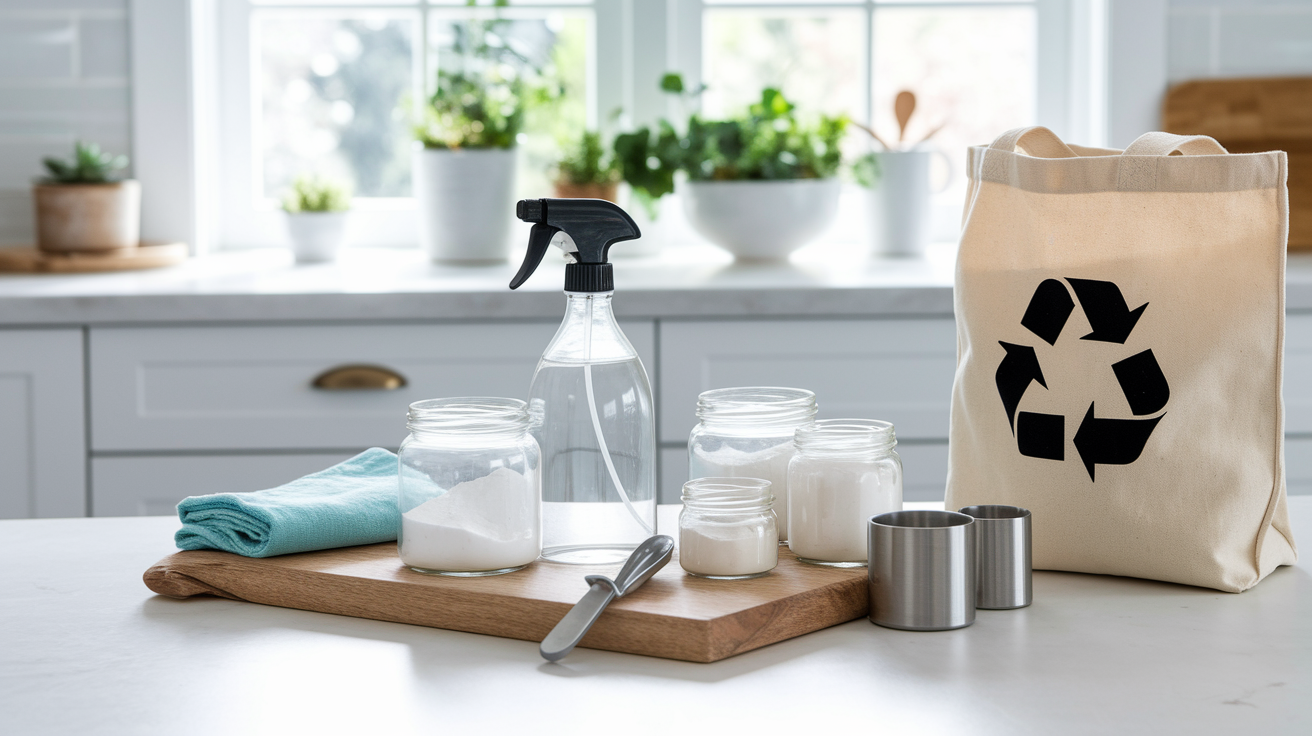
One of the main selling points in eco‑friendly cleaning ebooks is cost savings. Many guides say that every recipe costs three dollars or less per batch, and some authors report saving hundreds of dollars a year by replacing specialty store‑bought cleaners with homemade versions made from pantry staples. Baking soda, vinegar, and castile soap are cheap and versatile, so one bottle of each can cover multiple cleaning tasks across your whole house. Small‑batch recipes also cut waste because you’re only mixing what you need for the day or week, which means you’re not throwing out half‑empty bottles of cleaner that expired or separated.
Reusable packaging is another zero‑waste perk. Ebooks often tell you to save old spray bottles, repurpose glass jars for scouring powders, and cut up worn‑out t‑shirts or socks to use as cleaning rags instead of buying disposable wipes. This cuts down on plastic waste and keeps textiles out of the landfill a little longer.
Budget and sustainability highlights:
- Recipes cost $3 or less per batch using common pantry ingredients
- One set of core supplies (baking soda, vinegar, castile soap, essential oils) covers dozens of cleaning tasks
- Small‑batch mixing gets rid of waste from expired or unused cleaner sitting in the cabinet
Final Words
In the action, this post showed how to get instant access to a downloadable guide, what’s inside (recipes, measurements, pantry lists), and how delivery and printable PDFs usually work.
It also covered core ingredients, kitchen and bathroom recipes, glass and floor mixes, specialty formulas, plus safety, shelf life, and budget-friendly zero-waste tips you can actually use.
Try one simple recipe this weekend, print the cheat sheet, spot-test, and tweak to taste. Download your eco-friendly cleaning recipes ebook when you’re ready — small steps add up and your home will feel fresher.
FAQ
Q: How do I get instant access to the eco-friendly cleaning recipes ebook?
A: Instant access is delivered as a downloadable PDF link sent to your email after purchase, viewable on phones and computers with a PDF reader, and printable if you prefer a hard copy.
Q: What does the ebook typically include and which cleaning recipes are covered?
A: The ebook typically includes recipes, ingredient lists, measurements, step-by-step instructions, safety notes, pantry lists, and covers kitchen, bathroom, floors, glass, furniture, and specialty pet/kid-friendly formulas.
Q: Which natural ingredients are commonly used and what are safe substitutions?
A: Common ingredients include baking soda, white vinegar, castile soap, alcohol, essential oils, washing soda, and cornstarch; substitute castile or alcohol when vinegar is unsafe and follow dilution guidance.
Q: Are the recipes safe for homes with pets and children?
A: The recipes include pet- and kid-friendly options, and the ebook advises avoiding certain essential oils around pets, using proper dilutions, spot testing, and storing cleaners out of reach.
Q: What is the shelf life of homemade cleaners and how should I store them?
A: Shelf life varies—water-based sprays 1–2 days, alcohol air fresheners weeks, wood sprays about a month; store in labeled airtight bottles, keep cool, shake before use, and air-dry oily rags.
Q: How can I use vinegar safely without damaging surfaces?
A: Vinegar cleans and dissolves grime but should be avoided on natural stone, marble, and aluminum; use castile soap or alcohol-based alternatives and always test a small hidden area first.
Q: Do I need preservatives for longer-lasting homemade cleaners?
A: Preservatives are only needed for long-term water-based storage; the ebook usually recommends small-batch mixing, or lists safe preservative options if you plan to store formulas longer.
Q: Are these cleaning recipes cost-effective and zero-waste?
A: The recipes are usually budget-friendly, often a few dollars per batch, and support zero-waste by using small batches, reusable bottles, upcycled rags, and common pantry staples.
Q: Can I print the ebook and are recipes mobile-friendly?
A: The ebook is printable and designed for mobile viewing; desktop printing works best for cheat-sheets and labels, while mobile access is handy for quick reference during cleaning tasks.
Q: What safety precautions are highlighted in the ebook?
A: The ebook highlights safe dilution ratios, ventilation, spot testing, never mixing ammonia with bleach, safe handling of oily rags, clear labeling, and keeping cleaners away from children and pets.