



Some people say heirlooms have no place in modern homes.
That’s not true.
Blending old family pieces with clean-lined furniture gives rooms warmth, personality, and a story you can’t buy.
This post shows easy rules, like scale, color, lighting and editing, that make heirlooms look intentional, not crowded.
You’ll learn quick fixes and room-by-room tips so you can start with one hero piece and finish a room this weekend, easily.
Key Strategies for Blending Heirlooms Seamlessly into Modern Decor
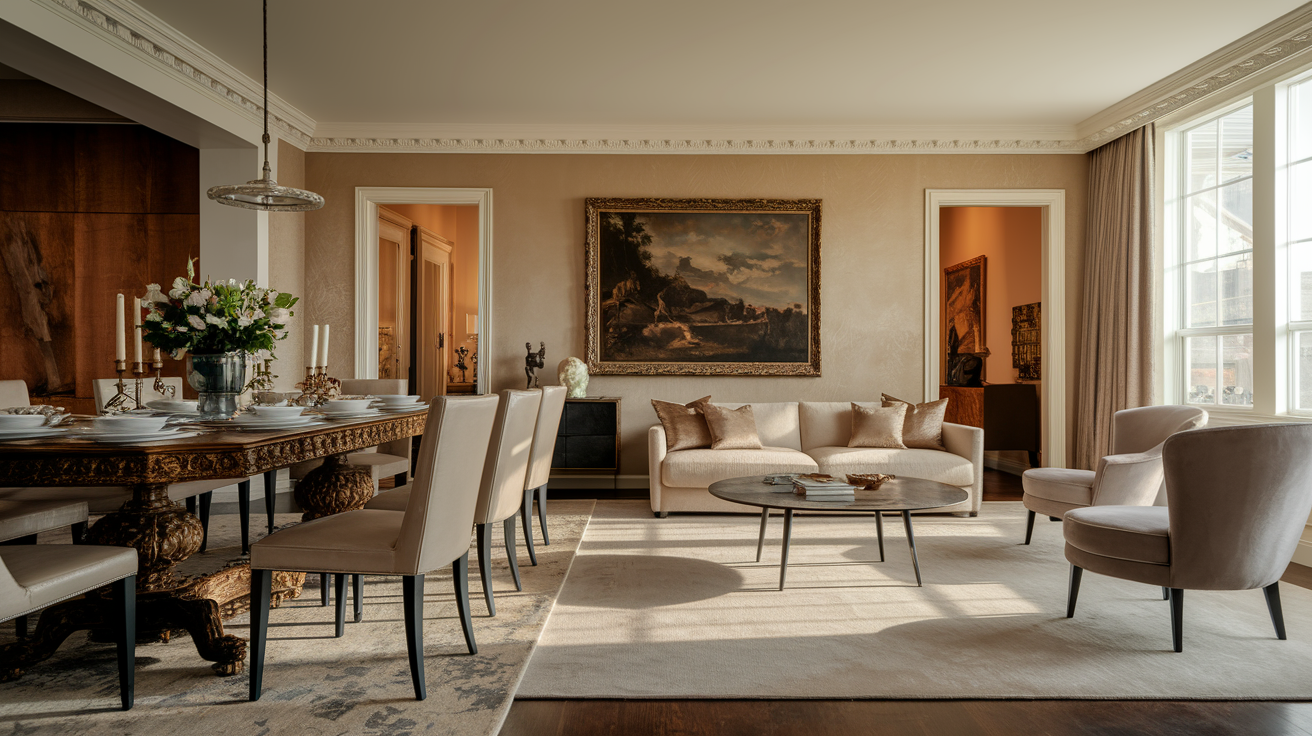
Blending heirlooms with modern decor works because it adds warmth and personal storytelling that new pieces alone can’t deliver. When you layer an inherited dining table with contemporary chairs, or hang a vintage painting above a minimalist sofa, you create spaces that feel lived in and meaningful. Mixing old and new gives rooms depth, shows craftsmanship from different eras, and turns your home into a place that reflects real family history instead of a catalog showroom.
The key pairing principles are scale, color palette, balance, focal points, and light. An ornate antique hutch needs breathing room and a neutral wall behind it so the details can stand out. A restored wooden table feels modern when you pair it with streamlined metal chairs that echo the table’s proportions. Color palette ties everything together. When the tones in a vintage rug guide your choice of throw pillows and paint, the room reads as cohesive instead of confused. Light matters too. Position inherited pieces near windows or add task lighting to show off carved details and patina.
Editing is just as important as choosing. You don’t need to display every family treasure at once. Sometimes one antique armchair or a single framed architectural drawing is enough to shift the whole mood of a room. Too many heirlooms in one space can tip into cluttered or dated. Aim for intention and restraint so each piece gets noticed.
Here’s how to start:
Start with meaningful or sentimental heirlooms. Choose pieces that carry the strongest stories first. Handmade quilts, a grandparent’s dresser, a pewter collection. Build your plan around them.
Let one hero item serve as the room’s anchor. An antique hutch in the dining room or a butter churn repurposed as a coffee table can define the whole space.
Mix in modern pieces to balance ornate details. Pair a carved sideboard with clean lined sofas, or hang a vintage chandelier over a minimalist kitchen island.
Group similar collections for cohesion. Display transferware together on open shelving, or hang a series of baskets on one wall instead of scattering them.
Restore or repurpose functional items. A vintage desk can become a home office workstation. An old armoire can hold modern media gear.
Use color palette and neutral tones to unify old and new. A soft gray or warm white backdrop helps a 1950s painting and a contemporary side table feel like they belong together.
Choosing Heirlooms That Support a Modern Decorating Plan
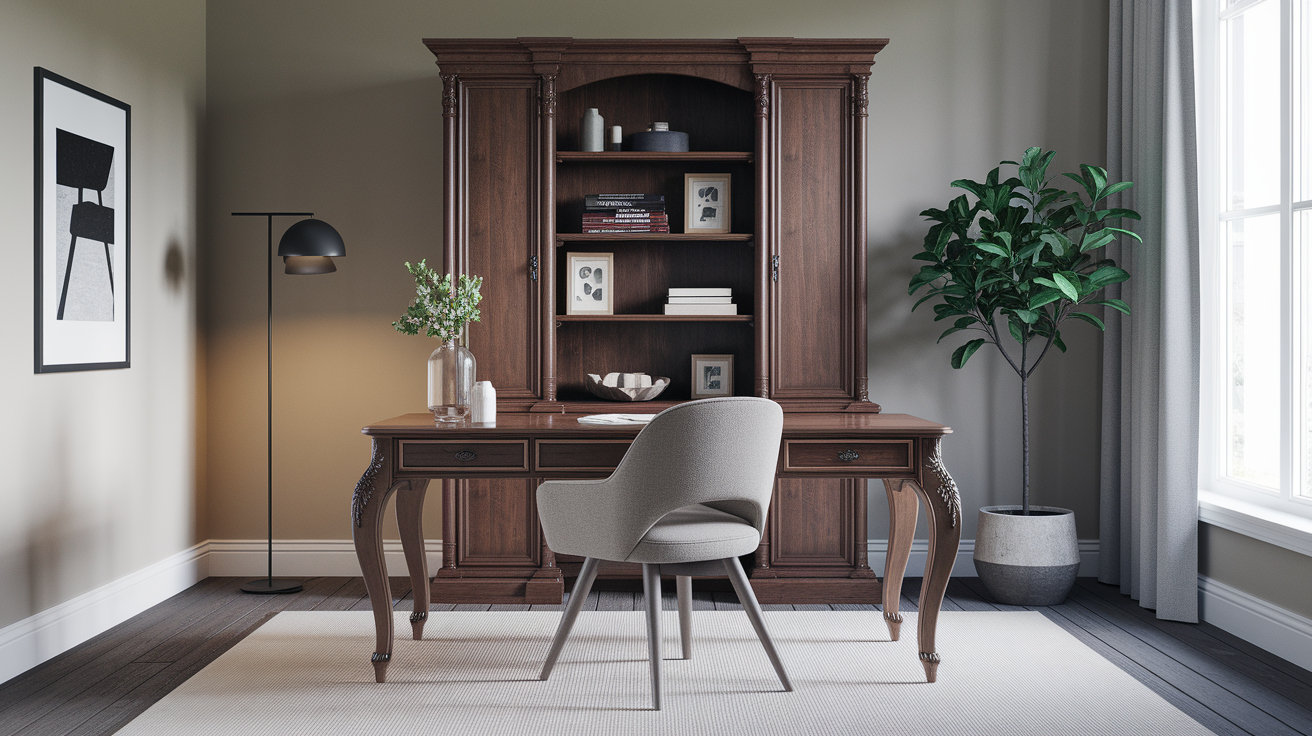
Scale and proportion determine whether a piece integrates smoothly or fights the room. A large antique desk works in a contemporary office if you pair it with a sleek modern chair that echoes the desk’s subtle curves. But if the desk towers over everything or the chair’s proportions clash, the pairing feels forced. Look for echoed shapes. Rounded table legs that match a vintage armchair’s gentle arms, or straight lines in both an inherited mirror frame and your modern console. When proportions align, mixing eras looks intentional instead of accidental.
Selecting fewer, stronger heirlooms prevents a dated or cluttered look. You don’t have to use everything you inherited. One well placed antique hutch tells a richer story than three mismatched dressers crammed into a bedroom. Choose pieces that you genuinely love and that fit your space, then let the rest go to family, friends, or donation. Quality and story matter more than quantity.
Use these four criteria when deciding which heirlooms to keep and display:
Match proportions and echoed shapes. Does the heirloom’s size and silhouette work with your existing layout and furniture lines?
Assess finishes and material compatibility. Dark wood tones can ground a bright modern room, but too many competing finishes create visual noise.
Evaluate architectural fit. A grand carved sideboard suits a room with tall ceilings and molding. A cottage scale quilt rack fits better in a cozy bedroom.
Prioritize pieces with both beauty and story. If an item is meaningful but visually awkward, consider relocating it to a low traffic spot or passing it along with love.
Using Color and Texture to Blend Old Pieces with Modern Decor
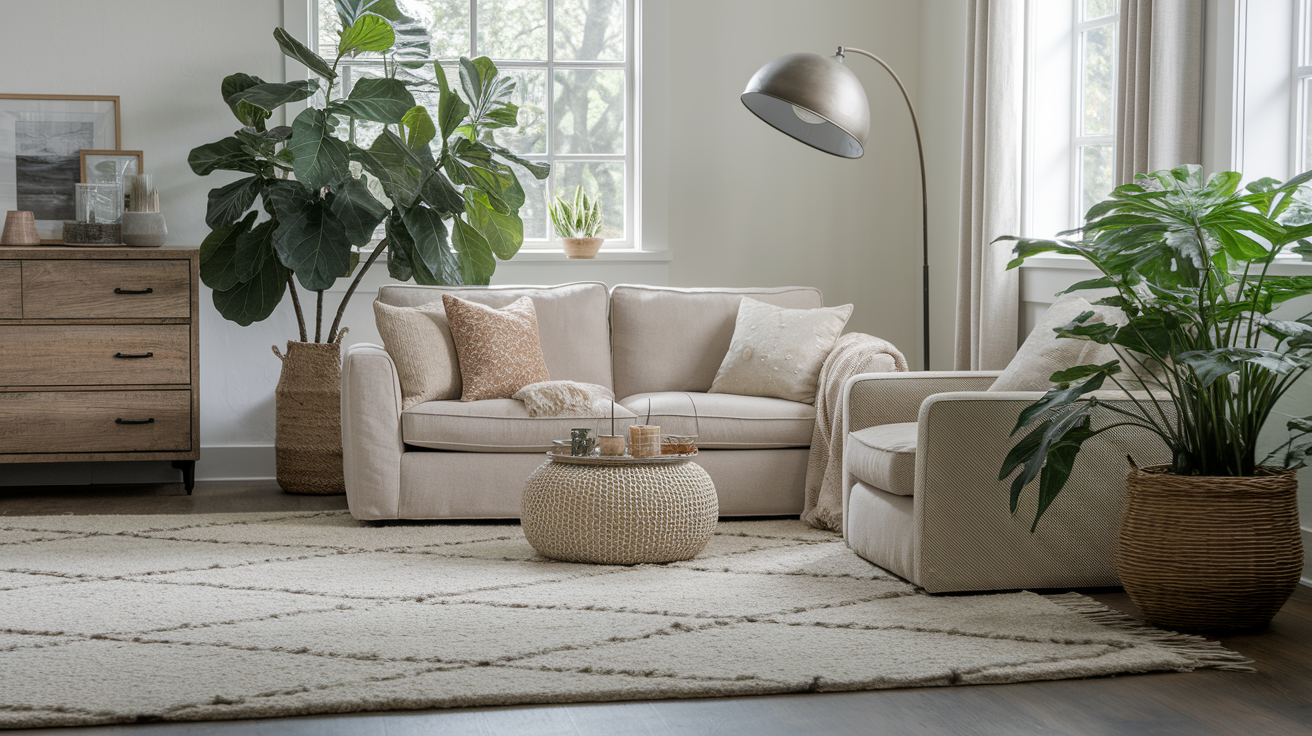
Color palette acts as the unifying thread. Neutral tones like soft whites, warm grays, greige create a calm base that lets both heirloom details and modern clean lines show up without competing. When you paint walls in a neutral shade, an ornate vintage armchair and a streamlined side table can sit next to each other and read as a curated pair instead of a mismatch. Pull accent colors from an inherited rug or quilt, then repeat those tones in contemporary throw pillows, artwork, or a painted accent wall. That shared palette ties the eras together.
Texture adds warmth and balance. Pair the smooth metal finish of a modern lamp with the rough hewn surface of an antique wooden dresser. Layer a handmade braided rug under a minimalist bed frame. Drape a vintage quilt over a sleek sofa to soften hard edges. Natural materials like raw wood, stone, rattan bridge old and new because they feel timeless. A large plant beside a vintage armchair or a series of hanging plants above modern shelving introduces life and softens any stiffness.
Mix wood tones and metal finishes without overthinking it. If your inherited dining table is dark walnut and your modern chairs have brass legs, the contrast can look rich as long as the proportions and scale work. Mixing metals, like pairing a vintage pewter collection with contemporary stainless steel hardware, adds interest. Trust your eye. If the room feels balanced and the pieces seem to belong, the combination is working.
| Color/Texture Strategy | How It Helps Blend Eras |
|---|---|
| Neutral wall colors (white, gray, greige) | Provides a calm backdrop that lets both ornate heirlooms and modern pieces stand out without clashing |
| Shared accent colors from vintage textiles | Repeating tones from an heirloom quilt or rug in new pillows or art unifies the palette across eras |
| Layered textures (wood, metal, fabric, plants) | Mixing smooth modern finishes with rough antique surfaces adds depth and warmth |
| Natural materials (rattan, stone, raw wood) | Timeless elements bridge old and new, preventing either style from dominating the space |
Creating Focal Points With Heirlooms in Contemporary Rooms
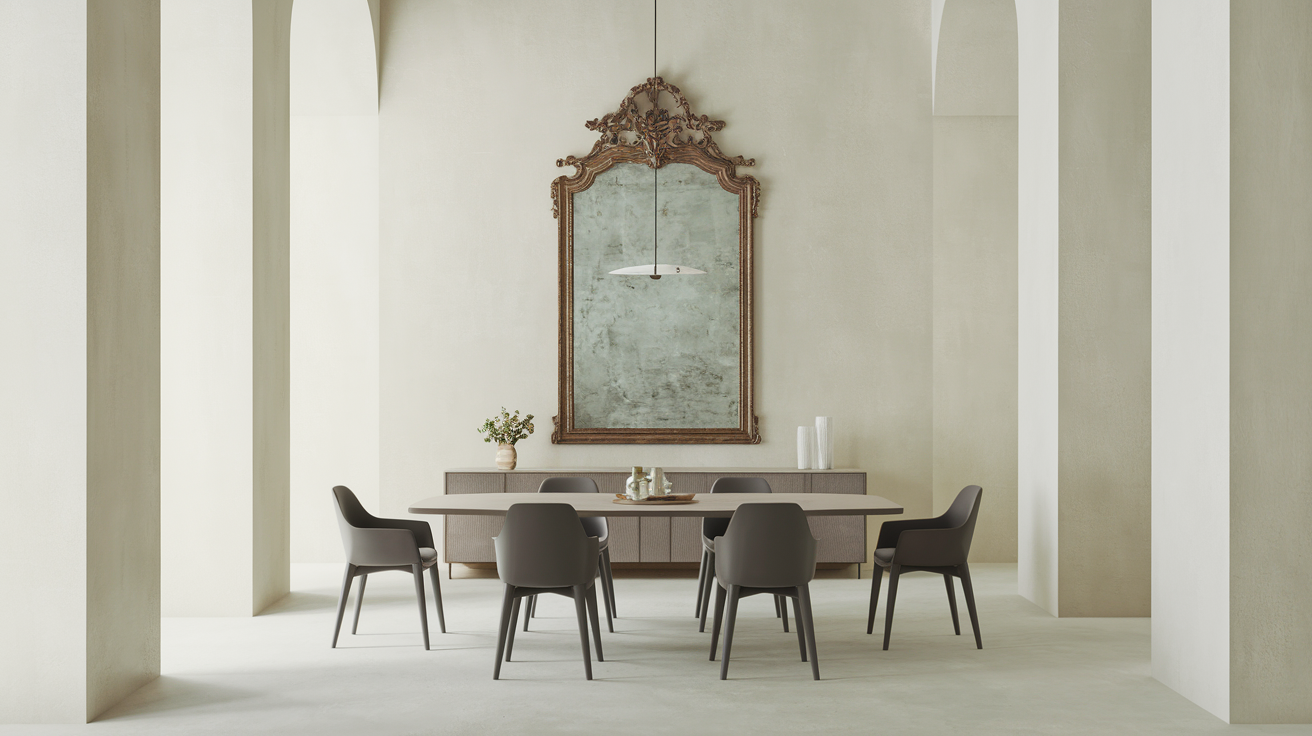
Turning an heirloom into a focal point means letting it star while everything else supports. An antique hutch anchoring a dining room, a butter churn repurposed as a coffee table, or a vintage painting above a minimalist sofa each set the tone for the whole space. The rest of the room steps back. Modern seating, simple lighting, neutral walls. They give the heirloom room to be noticed. This works because it gives one piece the spotlight instead of asking every item to compete for attention.
Lighting emphasizes craftsmanship and patina. Position a vintage armchair near a window to catch natural light, or add a sleek floor lamp beside an antique dresser to highlight carved details. A vintage chandelier suspended over a contemporary kitchen island becomes the room’s centerpiece because the light draws your eye up and the ornate fixture contrasts with the island’s clean lines. Without thoughtful lighting, even a beautiful heirloom can fade into the background.
Here’s how to use heirlooms as focal points:
Choose one hero heirloom per room. A single standout piece, like a large antique mirror or a family painting, anchors the space without overwhelming it.
Surround with modern pieces to reduce competition. Pair a carved sideboard with streamlined sofas and simple side tables so the sideboard stays center stage.
Use lighting to emphasize craftsmanship. Add a pendant, sconce, or floor lamp that highlights texture, color, and detail.
Provide breathing room and negative space. Don’t crowd an heirloom with too many accessories or furniture pieces. Let walls and open floor space frame it.
Use focal items to set tone for the palette. Pull paint colors, fabric choices, and accent tones from the heirloom so the whole room feels coordinated.
Practical Room by Room Tips for Blending Heirlooms With Modern Decor

Each room has different needs, and heirlooms work best when they match how you actually use the space. In a living room, you might anchor with one vintage item and surround it with practical, comfortable modern seating. In a dining room, an inherited table can be the star as long as the chairs and lighting feel fresh. Bedrooms let you pair sentimental dressers with contemporary textiles. The goal is always the same. Make the heirloom functional and intentional, not a decoration you tiptoe around.
Room layout and furniture arrangement matter as much as the pieces themselves. If you place an antique dresser in a narrow hallway, it blocks flow and feels heavy. Move it to a bedroom or sunroom where it can breathe, and suddenly it looks curated. Scale up lighting in a room with a large antique hutch so the space doesn’t feel dark. Use rugs to define zones and give smaller heirlooms a clear home within an open floor plan.
Transitional style, the overlap between traditional heirlooms and modern furniture, works in almost every room when you follow a few simple rules. Keep backgrounds neutral, limit the number of ornate pieces, and balance each antique with at least one streamlined modern counterpart. That mix prevents any single era from dominating.
Living Room
Anchor the living room with one vintage item. An antique sideboard, a carved armchair, or a vintage painting can ground the space. Surround it with modern seating that has clean lines and simple upholstery, so the heirloom stands out instead of blending into visual clutter. Use negative space. Leave the wall above the sideboard mostly empty, or hang a single piece of contemporary art that echoes a color in the antique’s finish. Add a large plant or a sleek floor lamp to soften the pairing and tie old and new together. If the inherited piece is dark wood, balance it with lighter walls and bright textiles so the room doesn’t feel heavy.
Dining Room
Let an antique dining table lead the room, then pair it with streamlined chairs. Metal, molded plastic, or simple wood chairs that contrast with the table’s ornate legs or carved apron. The mix of eras keeps the space from feeling like a period room. Use lighting to modernize. Hang a contemporary pendant or a vintage chandelier that’s been rewired and cleaned. Set the table with a mix of heirloom glassware and everyday plates, or layer a vintage tablecloth under modern placemats. The dining room is one of the easiest places to blend old and new because the table itself acts as a natural focal point and conversation starter.
Bedrooms
Pair an inherited dresser with contemporary textiles. Simple duvet covers, linen sheets, modern throw pillows refresh the whole room. Make sure the dresser’s scale works with the bed and other furniture. If the dresser is tall and narrow, it can fit in a corner or flank a window without crowding the bed. If it’s wide and low, use it as a TV stand or a place to display a few curated objects and a table lamp. Layer a handmade quilt on the bed or drape it over a chair to add warmth and texture. Keep the rest of the bedroom simple. Neutral walls, minimal accessories, good lighting. That lets the heirloom pieces feel intentional instead of cluttered.
Styling Collections and Smaller Sentimental Items in Modern Spaces
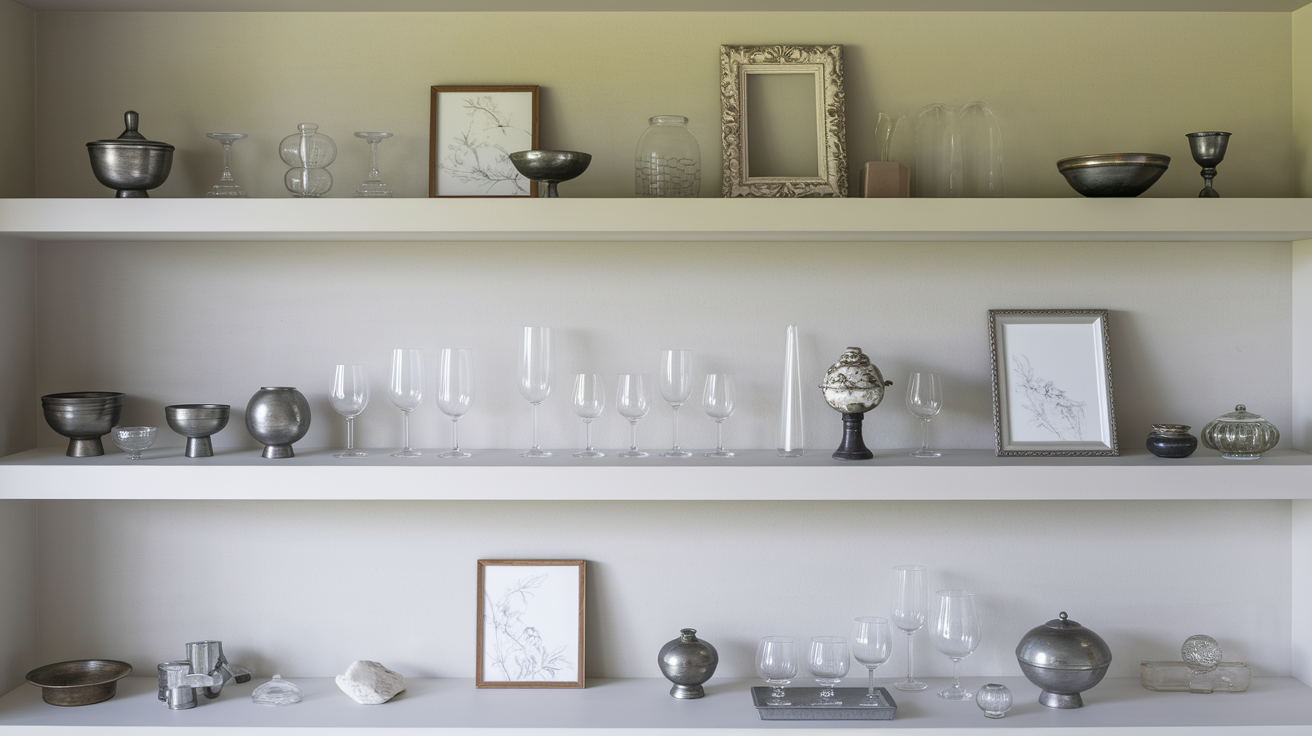
Grouping smaller heirlooms together creates impact and prevents them from looking scattered. A pewter collection displayed on open shelving or inside a white walled hutch reads as a curated vignette instead of random clutter. Stack vintage transferware plates on a kitchen shelf, hang a series of woven baskets on a hallway wall, or arrange a driftwood seabird collection on a mantel. When like items sit together, they tell a clearer story and the repetition feels intentional. One vintage jug on a counter might look forgotten, but three jugs grouped by size become a focal point.
Here’s how to style collections and small sentimental items in a modern home:
Display pewter, glassware, or ceramics in a hutch or on open shelving with a simple backdrop. White walls work best.
Hang vintage baskets in a tight grid or staggered pattern on one wall instead of spreading them around the house.
Create a small vignette on an antique dresser. Stack a few books, add a plant, place one meaningful object on top.
Use heirloom dishware and glassware in everyday life. Vintage tumblers for water, amber glasses for juice, Mad Men era champagne flutes for celebrations.
Frame small items like architectural drawings, vintage postcards, or handwritten recipes and hang them as a gallery grouping.
Layer textiles. Fold quilts on the back of a sofa, drape a vintage tablecloth over a modern dining table, or use a braided rug in a low traffic bedroom corner.
Rotate collections seasonally so you’re not displaying everything at once and the items stay fresh and noticed.
Keep the rest of the room minimal so the collection has room to breathe. If your mantel holds a driftwood display, let the wall above stay mostly empty. If your kitchen shelves showcase transferware, keep countertops clear and modern. Balance is the key to making small heirlooms feel like design choices instead of leftovers from someone else’s house.
Updating, Restoring, and Repurposing Heirlooms for a Modern Look
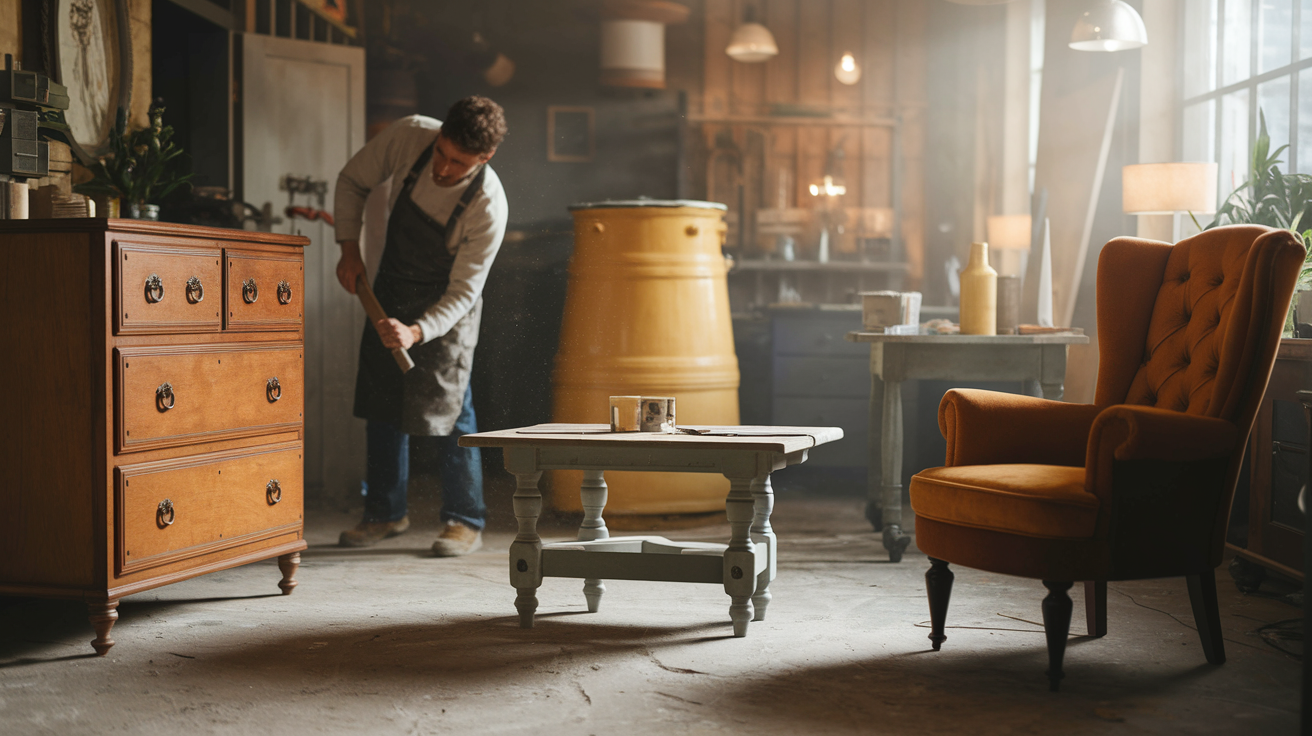
Restoration makes old pieces functional again without erasing their character. Sandblasting or professional refinishing can bring a worn wooden dresser back to life while keeping the original grain and patina visible. Reupholstering a vintage armchair in a fresh fabric, maybe one that echoes tones in an inherited rug, modernizes the piece and makes it comfortable enough to use every day. You’re not trying to make the heirloom look brand new. You’re cleaning it up, stabilizing it, and adapting it so it works in your home.
Repurposing gives sentimental items a second job. A butter churn becomes a coffee table. An antique armoire gets fitted with shelves and outlets to hold modern media gear. A vintage desk is restored and set up as a home office workstation. Quilts that are too fragile for beds can be used as picnic blankets or draped over the back of an RV sofa. Braided rugs that show wear in high traffic areas move to bedrooms or sunrooms where they’ll last longer. Repurposing keeps items in use and visible instead of locked away in storage, which honors the original maker’s intention.
| Restoration Method | Best For | Example |
|---|---|---|
| Sandblasting or professional refinishing | Wooden furniture with worn finish, water damage, or layers of old paint | Restoring a vintage dining table to use daily with modern chairs |
| Reupholstering | Chairs, sofas, or benches with good bones but dated or damaged fabric | Recovering a vintage armchair in linen that matches tones in an heirloom rug |
| Hardware updates | Dressers, cabinets, or armoires that need a subtle refresh | Replacing old drawer pulls with sleek brass or matte black handles |
| Repurposing structure | Items no longer used for their original job but still structurally sound | Turning a butter churn into a side table or an armoire into media storage |
Avoiding Common Decorating Mistakes When Mixing Old and New
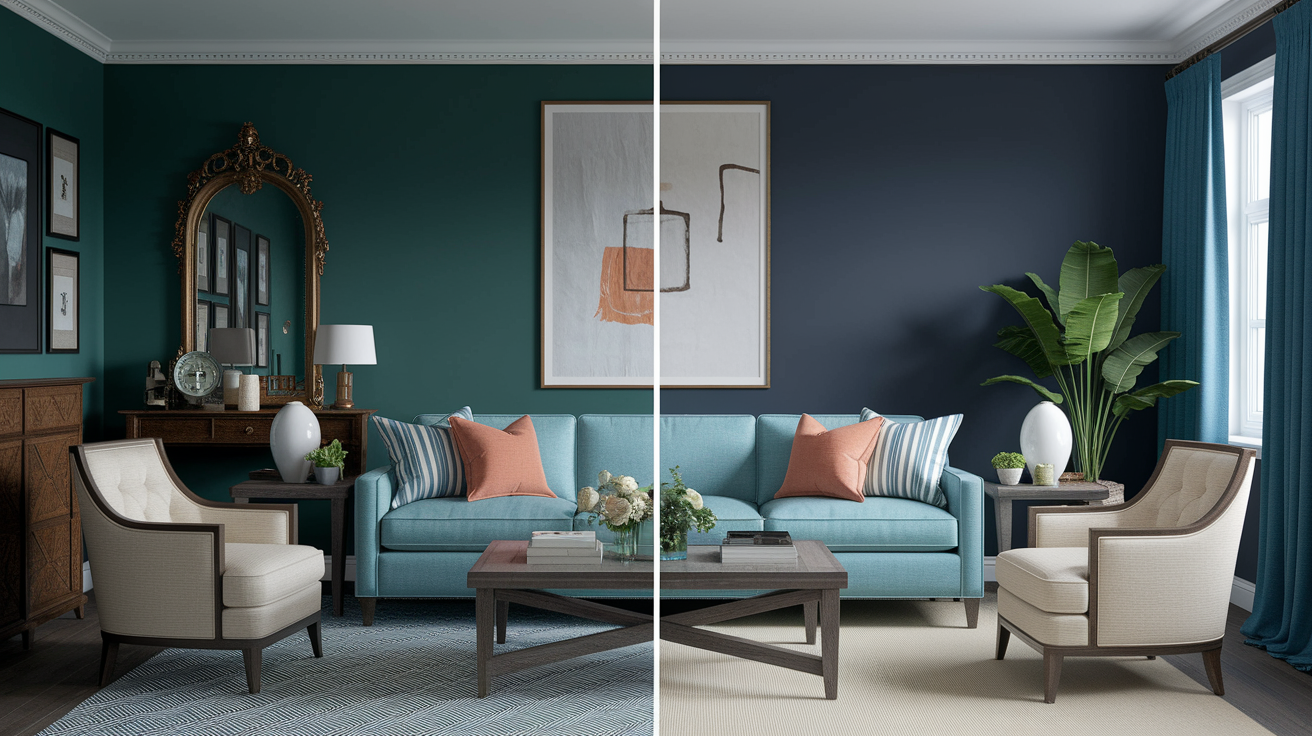
The biggest mistake is displaying too many heirlooms in one room. When every surface holds a vintage object and every wall has an antique hanging, the space feels like a museum instead of a home. Limit yourself to one or two focal heirlooms per room, then fill in with modern pieces that provide visual rest. Grouping like items helps. Three vintage plates on a shelf read as intentional, but one plate here, one bowl there, and a random pitcher somewhere else just looks scattered.
Clutter happens when you don’t provide breathing room. An ornate antique hutch needs space around it. Clear walls, minimal furniture nearby, and enough floor space so you can see the whole piece. Negative space is not wasted space. It’s what lets your eye land on the heirloom and appreciate the craftsmanship. Use neutral backgrounds to calm busy patterns. If you inherit a heavily carved sideboard or a quilt with a bold pattern, pair it with simple paint colors and streamlined furniture so the detail can stand out instead of competing with everything else in the room.
Here are five mistakes to avoid:
Overcrowding a room with too many heirlooms. Pick your favorites and store or rehome the rest.
Ignoring scale and proportion. A massive antique desk in a tiny bedroom will always feel wrong, no matter how you style it.
Skipping neutral tones. Without a cohesive color palette, mixing eras looks random instead of curated.
Forgetting about light. Dark heirlooms in dim corners disappear. Add lamps, move pieces near windows, or paint walls lighter.
Treating every heirloom as untouchable. If you can’t sit on the chair, use the table, or wash the dishes, the piece isn’t really part of your life. It’s just taking up space.
Final Words
You’ve got five clear moves: start with sentimental pieces, let one heirloom anchor the room, balance scale and color, layer texture, and edit so it doesn’t feel busy.
The guide also covers picking the right-sized pieces, room-by-room tips, ways to style small collections, and simple restoring or repurposing ideas to keep things useful.
Use these steps as a checklist for how to blend heirlooms with modern decor. Start with one hero item this weekend and enjoy a space that tells your story.
FAQ
Q: What are the 3-5-7 and 3-4-5 rules for decorating?
A: The 3-5-7 and 3-4-5 rules for decorating are simple grouping and scale guides: use odd-numbered groupings and varied sizes (small, medium, large) to create rhythm, balance, and visual interest.
Q: How to mix vintage and modern decor?
A: Mixing vintage and modern decor starts with one meaningful heirloom as the hero, balance ornate items with clean-lined modern pieces, unify with a color palette, and edit to avoid clutter.
Q: What is the 70/30 rule in decorating?
A: The 70/30 rule in decorating is a balance guideline: set about 70% of a room as the dominant backdrop (color or style) and use 30% for accents, helping blend modern pieces with heirlooms.