

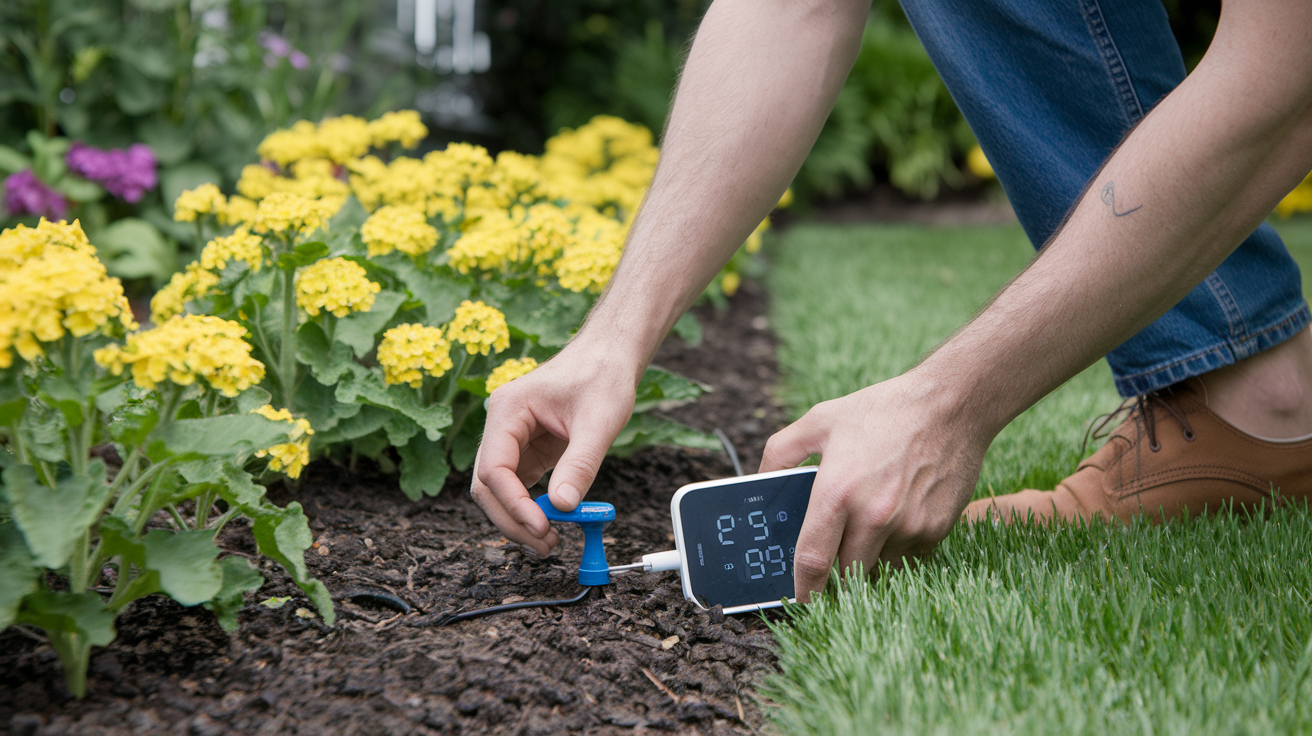

Want to stop guessing when to water and cut your outdoor water use by up to half?
Smart irrigation controllers do exactly that: they skip rain, tweak run times for soil and sun, and let you run zones from your phone.
This guide picks the best systems for real home gardens — from cheap indoor timers to outdoor controllers with sensors — and focuses on easy installs, real water savings (usually 20–50%), and apps you’ll actually want to use.
Keep reading to find the right fit for your yard.
Best Smart Irrigation Systems (Ranked)

Smart irrigation controllers swap out your old sprinkler timer and link to Wi‑Fi, local weather feeds, and your phone. They’ll skip watering when rain’s coming, tweak run times based on soil and sun, and ping you when something breaks. Most cut outdoor water use somewhere between 20 and 50 percent compared to fixed schedules. You can fire up zones, pause them, or shut everything down from wherever you are.
The controllers here made the list because their apps don’t frustrate you, their weather predictions actually line up with reality, installation doesn’t require an engineering degree, they handle multiple zones without choking, and they deliver real savings. Every one carries WaterSense certification or uses similar weather logic, and they all work with standard in‑ground sprinkler setups wired to common valves. Prices cover just the controller. Weatherproof boxes, flow meters, and pros who do the install cost extra.
-
Rachio 3 Smart Sprinkler Controller — $150 (4‑zone), $200 (8‑zone), $250 (16‑zone)
Rachio 3 gives you the smoothest app and the most dependable weather scheduling. It grabs hyper‑local forecasts down to 36 feet from your house, plays nice with Alexa, Google Home, and IFTTT, and offers three scheduling options: Fixed, Flex Monthly, and Flex Daily. Flex Daily recalculates watering every morning using yesterday’s weather and today’s outlook, skipping runs when it rains and dialing back minutes if the soil’s still damp. The app’s quick. Testers went from cardboard box to online in three minutes. Setup walks you through zone mapping, soil type, slope, and sun in plain English. Rachio keeps running your last schedule if Wi‑Fi dies, but it can’t pull fresh weather without a connection. There’s an optional Weather Adjust add‑on for $30 that checks forecasts more often. The unit ships for indoor mounting. If you’re going outside, grab a weatherproof box for about $40, and you might need an electrical pigtail or an electrician. Water savings usually land around 20 to 30 percent. Users running Flex Daily report cuts up to 40 percent. Best pick for most home gardens with 4 to 16 zones that want solid automation and backup you can actually reach. -
Orbit B‑hyve XR Smart Indoor/Outdoor Sprinkler Timer — $130 (8‑zone), $180 (16‑zone)
The XR ships with a weatherproof case, dual‑band Wi‑Fi (both 2.4 and 5 GHz), and physical buttons for pause, on, and off. That’s handy when your phone’s dead or Wi‑Fi drops. The B‑hyve app pulls NOAA weather and lets you dig deep on each zone: soil intake rates (default for loam is 0.35 inch per hour, adjustable from 0.10 to 0.60), slope percentage, sun and shade mix. It’ll also split long cycles into shorter bursts to cut runoff on clay or packed dirt. Works with Alexa and Google Home. The catch is a clunky app. Menus repeat themselves, navigation’s confusing. It gets the job done, but finding settings takes longer than Rachio. No two‑factor authentication either. Water savings average 25 to 35 percent when you turn on weather schedules. Best for outdoor installs or folks who want tougher hardware and granular zone tweaks without paying Rachio prices. -
Orbit B‑hyve Smart Indoor Irrigation Controller — $80 (4‑zone), $100 (8‑zone)
This is the XR’s indoor twin. Same features through the app, but no weatherproof shell or dual‑band Wi‑Fi. It’s the top value for small yards and simple jobs where the box can live in a garage or closet. Want to mount it outside? The optional weatherproof case runs nearly $40, which makes the XR the smarter buy for outdoor setups. The app hassles are identical to the XR. Functional, just annoying. Water savings match the XR when you configure things right. Best for tight budgets with 4 to 8 zones and a sheltered spot inside. -
Wyze Sprinkler Controller — $79.70 (8‑zone)
Wyze delivers an 8‑zone box at the lowest price here. Manual buttons on the device, straightforward app. Core stuff like zone scheduling, remote start/stop, and basic weather delays are free. Advanced features such as continuous weather watering and soil‑moisture tracking need the Sprinkler Plus subscription, which runs $9.99 a year after the first year free. The controller isn’t weatherproof, so mount it inside or buy a separate outdoor case. No voice assistant tie‑ins. During testing, the Wyze unit ran fine for nearly a year, and the app answered remote commands fast. If Wi‑Fi or power cuts out, it keeps running the last schedule. Water savings shift depending on whether you pay for Sprinkler Plus. Expect 15 to 25 percent with free features, closer to 30 percent with the subscription turned on. Best for lean budgets and users cool with a small yearly fee for full auto mode. -
Netro Sprite — $99.99 (6‑zone), $119.99 (12‑zone)
Netro Sprite claims a 15‑minute install and hits that mark if your wiring’s labeled. The controller runs fully automatic, rated for outdoor use, and hooks into Alexa, Google Assistant, and IFTTT. It taps local weather and a plant database covering more than 1,000 species to tailor schedules. The company says up to 50 percent water savings, which lines up with what users report when zones match specific plants and soil. The app’s simpler than Orbit’s but lighter on features than Rachio’s. Physical controls are minimal. Best for beginners who want fast setup, outdoor mounting, and hands‑off operation without a subscription. -
Hunter Hydrawise HPC‑400 Outdoor Irrigation Controller — base 4‑zone, expandable to 32
Hunter’s built for growth. The base handles four zones and expands to 23 stations on regular wiring or up to 32 zones with an optional EZ decoder two‑wire setup. Add‑on modules run $40 to $50 each, and the EZ decoder starts at $80, so scaling up gets pricey. The controller comes in a weatherproof box with a built‑in lock and offers a responsive touchscreen with lots of on‑device controls. Helpful when you’re outside and don’t want to dig out your phone. The app sends an alert when the unit loses internet, a nice touch some competitors skip. Voice control’s limited to Alexa (plus Control4 and HomeSeer for whole‑home setups). The app’s solid but weirdly skips simple start/stop alerts, which feels like an oversight. Water savings average 25 to 35 percent depending on how you set it up. Best for big properties, estates, or complex landscapes that’ll grow and need modular expansion. -
RainMachine Pro — $200+ (12‑ or 16‑zone)
RainMachine Pro targets users who want full local control and don’t trust cloud‑only boxes. It’s got a 6.5‑inch HD touchscreen, supports offline scheduling and operation (no internet needed once you configure it), and ties into Alexa, Google Assistant, Apple HomeKit, SmartThings, and IFTTT. The controller pulls weather when online but runs forever on local schedules if your connection dies. Setup and config are trickier than cloud‑first units, and the interface assumes you know some irrigation basics. Water savings typically hit 25 to 40 percent depending on how hard you tune zone settings. Best for tech‑comfortable homeowners, off‑grid spots, or anyone who puts privacy and local diagnostics above simplicity. -
Spruce — $250+ (up to 16 zones)
Spruce bundles a 16‑zone controller with optional wired soil sensors and a built‑in flow meter for leak alerts. The system uses live sensor readings to adjust cycles, and the company claims up to 60 percent water savings when sensors spread across multiple zones. Voice control works through Alexa. Install’s more involved than simpler boxes because you’re running sensor wires on top of valve wires, and tuning the system to match plant types, sun, and soil takes effort. Best for large or complex gardens where sensor precision justifies the higher cost and setup time.
Most home gardens with 4 to 12 zones do best with Rachio 3, Orbit B‑hyve XR, or Netro Sprite. If you’re growing a system over time or managing a property bigger than a quarter acre, Hunter Hydrawise or Spruce make more sense despite the price jump.
Smart Irrigation System Comparison Overview
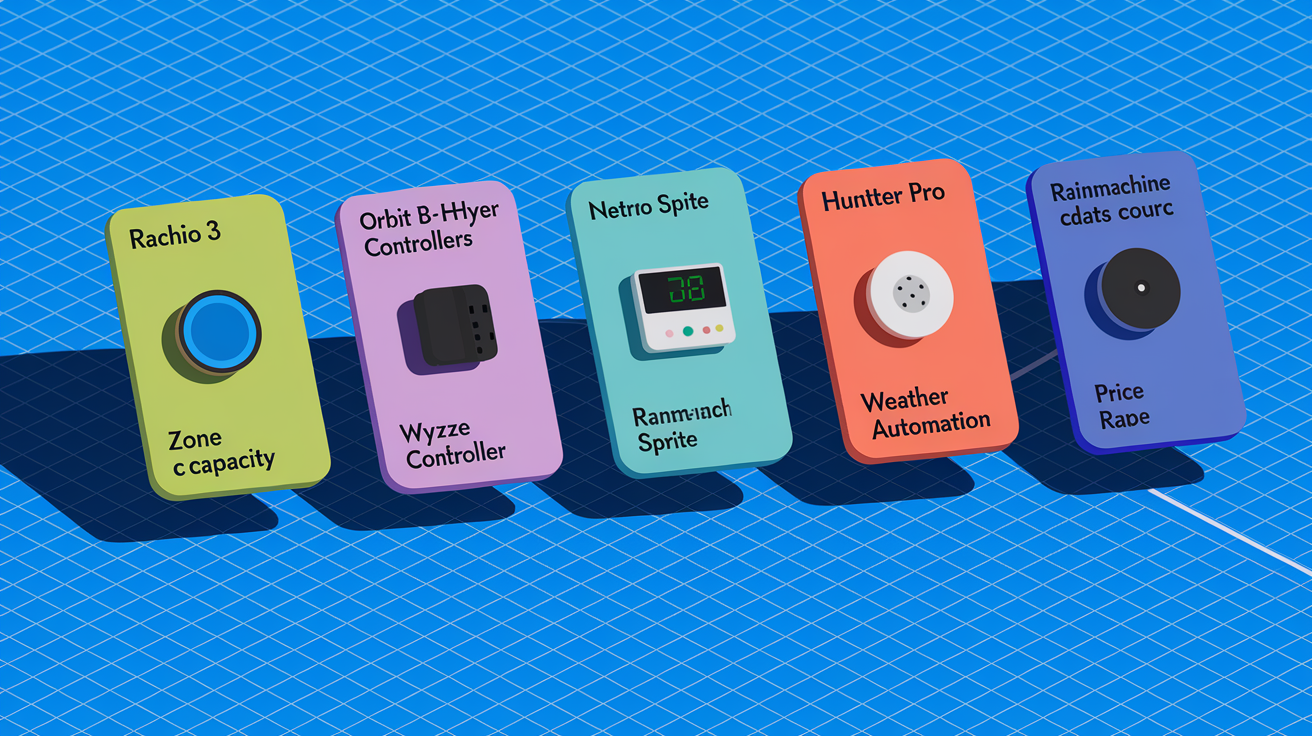
The table below lines up zone capacity, weather automation, app strengths, price range, and weather data source for the popular smart irrigation controllers. Zone capacity tells you how many independent watering circuits the box supports. Most suburban yards need 4 to 8 zones. Larger properties or homes with separate front, back, and side systems may need 12 to 16. Weather automation describes how the system uses forecast data to skip, shorten, or delay watering. App strengths highlight usability, speed, and how deep features go. Weather data source shows whether the system pulls hyper‑local forecasts, NOAA feeds, or proprietary algorithms.
When you’re comparing controllers, nail down zone count first. You can’t add zones later unless the system’s modular. Then look at app quality (you’ll use it weekly), then weather accuracy (this drives your savings). Price gaps often reflect better apps, more integrations, or included weatherproof cases rather than core watering logic.
| Product | Zone Capacity | Weather Automation | App Strengths | Price Range | Weather Data Source |
|---|---|---|---|---|---|
| Rachio 3 | 4, 8, or 16 zones | Flex Daily (daily forecast adjustments), rain skip, freeze skip | Fast setup, intuitive zone mapping, excellent notifications | $150–$250 | Hyper‑local (accurate to 36 feet) |
| Orbit B‑hyve XR | 8 or 16 zones | NOAA‑based rain/freeze alerts, slope/soil runoff splits | Deep per‑zone customization, dual‑band Wi‑Fi | $130–$180 | NOAA regional forecasts |
| Orbit B‑hyve (indoor) | 4 or 8 zones | NOAA‑based rain/freeze alerts, slope/soil runoff splits | Same as XR but clunky menus | $80–$100 | NOAA regional forecasts |
| Wyze Sprinkler Controller | 8 zones | Basic weather delay (free); continuous weather‑based watering (subscription) | Simple, responsive, subscription gate for advanced features | $79.70 + $9.99/year (optional) | Regional weather API |
| Netro Sprite | 6 or 12 zones | Plant‑species intelligence, local weather integration | Fast 15‑minute setup, fewer customization options | $99.99–$119.99 | Local weather + plant database |
| Hunter Hydrawise HPC‑400 | 4 zones (expandable to 32) | Predictive Watering Adjustments, internet‑loss alerts | On‑device touchscreen, robust dashboard, modular expansion | $200+ (base + modules) | Proprietary forecast engine |
| RainMachine Pro | 12 or 16 zones | Offline scheduling, local weather cache, cloud forecast (optional) | 6.5″ touchscreen, full local control, privacy‑focused | $200+ | Multiple sources (NOAA, Weather Underground, local cache) |
Use this table to narrow your short list, then check whether your garden’s zone count, Wi‑Fi coverage, and mounting spot line up with each controller’s requirements.
How to Choose the Right Smart Irrigation System

Start by counting your irrigation zones. Open your existing timer box and count the numbered terminals with wires attached. Most homes have 4 to 12 zones. Not sure? Snap a photo of the wiring and count later. Match or beat that number when you shop, because you can’t split a physical zone across two controller terminals.
Think through these before you buy:
Garden size and layout — Small front and back yard setups work fine with 4 to 8 zones. Larger properties, side yards, or separate drip systems often need 12 to 16 zones or a modular controller.
Climate and local weather swings — If rain’s frequent and unpredictable where you live, go for controllers with daily weather updates and rain‑skip logic (Rachio Flex Daily, Orbit WeatherSense). In dry climates with steady sun, simpler interval schedules and soil customization matter more.
Wi‑Fi reach and signal strength — All smart controllers need reliable Wi‑Fi at the install point. If your timer box is far from the router or tucked behind thick stucco, signal drops and weather updates fail. Pick a controller that handles 5 GHz Wi‑Fi (Orbit B‑hyve XR) or plan to add a Wi‑Fi extender.
App platform and voice ecosystem — Check that it works with your phone (iOS or Android) and voice assistant (Alexa, Google, HomeKit). If you lean on Apple HomeKit for other smart home gear, only a few controllers (RainMachine Pro, Eve Aqua for hoses) will connect.
Installation complexity — Most controllers swap in for an existing timer using the same low‑voltage wiring, but outdoor mounting may need weatherproof cases, conduit, and an outdoor electrical outlet. Budget an extra $40 to $100 for boxes and hardware if the existing setup’s exposed to weather.
Subscription costs — A few systems (Wyze, some Netro models) lock advanced features behind yearly fees. Confirm what’s free and what costs extra before you commit.
Budget and expected return — Controllers range from $79 to $250+ before accessories. Pricier units usually offer better apps, more integrations, and faster support, but mid‑tier options (Orbit, Netro) deliver similar water savings if you’re willing to spend more time configuring zones.
If you’ve got a typical quarter‑acre lot with 6 to 8 zones, solid Wi‑Fi coverage, and want the easiest setup, go with Rachio 3 or Netro Sprite. If your yard’s bigger, your existing system’s complex, or you plan to add zones later, Hunter Hydrawise or Spruce give you the flexibility you’ll need without swapping the whole controller down the road.
Installation and Setup Requirements
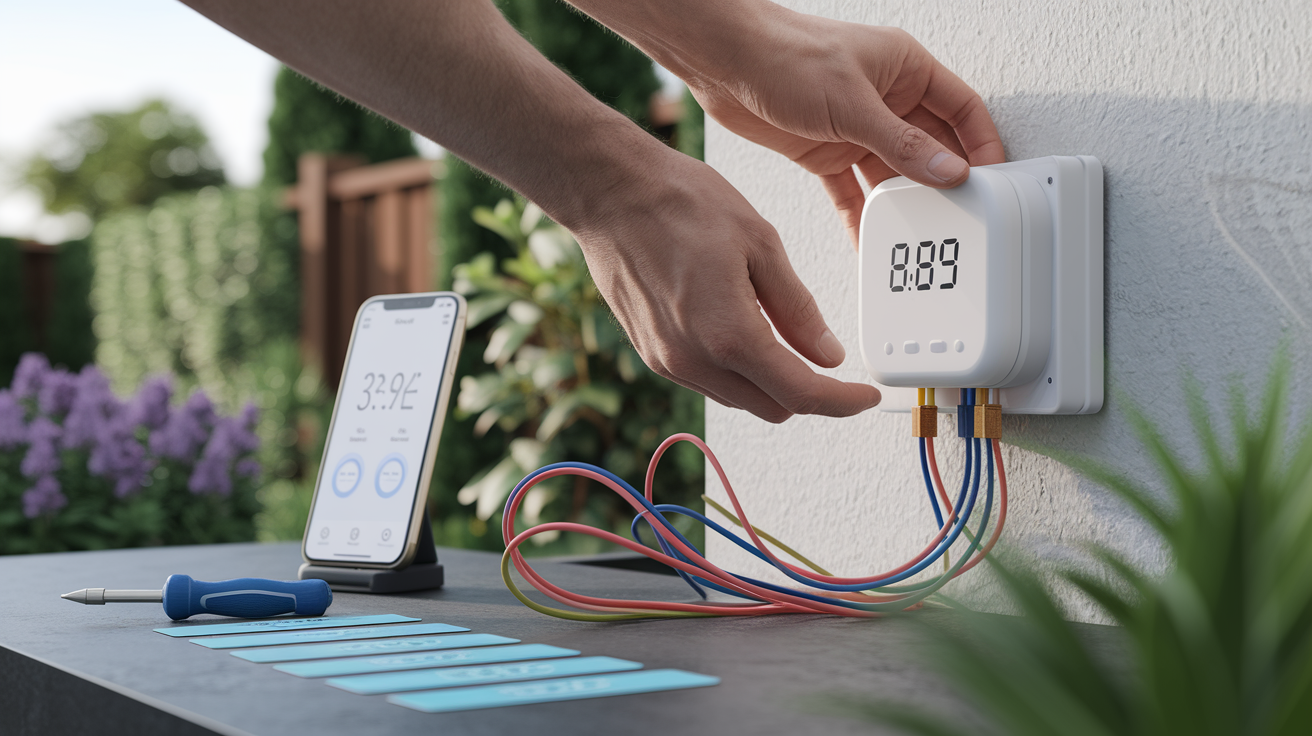
Smart irrigation controllers mount where your old timer sat and connect to the same low‑voltage wiring that runs to each sprinkler valve. You’ll need a small flathead screwdriver to loosen terminal screws, a pen and paper (or your phone camera) to document wire colors and zone numbers, and about 30 to 45 minutes for a straightforward swap. Most controllers ship with wire labels or stickers to help you map old terminals to new ones.
Before you start, turn off power to the existing timer. Either flip the dedicated breaker or unplug the transformer. Take a clear photo of the current wiring with all zone numbers visible, then label each wire with its zone number using masking tape or the included stickers. Disconnect the wires one at a time, starting with the common wire (usually white or marked “C”). If your old timer has a rain sensor wire, note where it plugs in. Most smart controllers have a dedicated sensor input, but some models ignore wired sensors and use app weather data instead.
Mount the new controller on the wall using the screws and anchors in the box. Make sure it’s level and positioned within Wi‑Fi range. Connect the common wire first, then attach each zone wire to the matching numbered terminal on the new controller. Double‑check that no bare wire touches adjacent terminals. Restore power, then download the controller’s app and create an account. The app walks you through Wi‑Fi pairing (most use 2.4 GHz only, Orbit XR supports 5 GHz), zone naming, and initial scheduling.
Here’s the general flow:
- Turn off power and photograph existing wiring.
- Label each wire with its zone number and disconnect one at a time.
- Mount the new controller. Confirm it’s level and within Wi‑Fi range.
- Connect the common wire, then attach zone wires to matching terminals.
- Restore power, download the app, and pair the controller to your Wi‑Fi.
- Run a test cycle for each zone to confirm wiring’s correct and valves open on command.
Common compatibility snags include mismatched voltage (most residential systems use 24VAC, confirm your transformer matches), missing common wires (some very old systems don’t have one, which means adding a jumper), and weak Wi‑Fi signal (move the router closer, add an extender, or pick a dual‑band controller). If your existing timer box is outdoors and the new controller isn’t weatherproof, you’ll need to buy an enclosure or move the controller inside and run wires through conduit.
Water Savings, Efficiency, and ROI

Smart irrigation cuts water use by skipping scheduled runs when rain’s forecast, shortening cycles when soil’s already damp, and adjusting watering based on temperature, wind, and evaporation. Systems with daily weather updates (Rachio Flex Daily, Hunter Predictive Watering) deliver the highest savings because they recalculate every zone’s needs each morning instead of running a fixed weekly schedule no matter what’s happening outside.
Most homeowners see a 20 to 30 percent drop in outdoor water use during the first season. Homes switching from manual timers or no timer at all can hit 40 to 50 percent savings. Payback depends on local water rates. If you’re spending $80 to $150 per month on irrigation during summer, a $200 controller typically pays for itself in one to two seasons. In areas with tiered water pricing or drought surcharges, ROI shows up even faster. Many water districts offer rebates for WaterSense controllers. Check your utility’s website or call to ask about available programs, which can cover $50 to $100 of the purchase price.
Here’s what you gain:
Lower monthly water bills — Skipping pointless watering during cool or rainy weeks cuts waste and drops consumption by hundreds of gallons per month.
Healthier plants and turf — Consistent, weather‑adjusted watering stops overwatering (which causes root rot and fungus) and underwatering (which stresses plants and invites pests).
Zone by zone optimization — Separate schedules for sun‑blasted lawn, shaded flower beds, and drip‑fed vegetables mean each area gets exactly what it needs instead of a one‑size‑fits‑all runtime.
Fewer manual tweaks — Once zones are configured, the controller handles seasonal shifts, rain delays, and temperature swings automatically. You’re not reprogramming every few weeks.
Leak and flow monitoring — Controllers with optional flow meters (Rachio EveryDrop $150, Spruce built‑in) alert you to broken sprinkler heads, stuck valves, or line leaks before they waste thousands of gallons or flood your yard.
Rebate eligibility and resale value — WaterSense certification and smart home integration add appeal if you sell your home, and utility rebates cut upfront cost.
Track your water bill for two to three months before installation, then compare usage after the controller’s been running for a full season. Most users notice the difference within the first billing cycle.
Troubleshooting and Maintenance Essentials
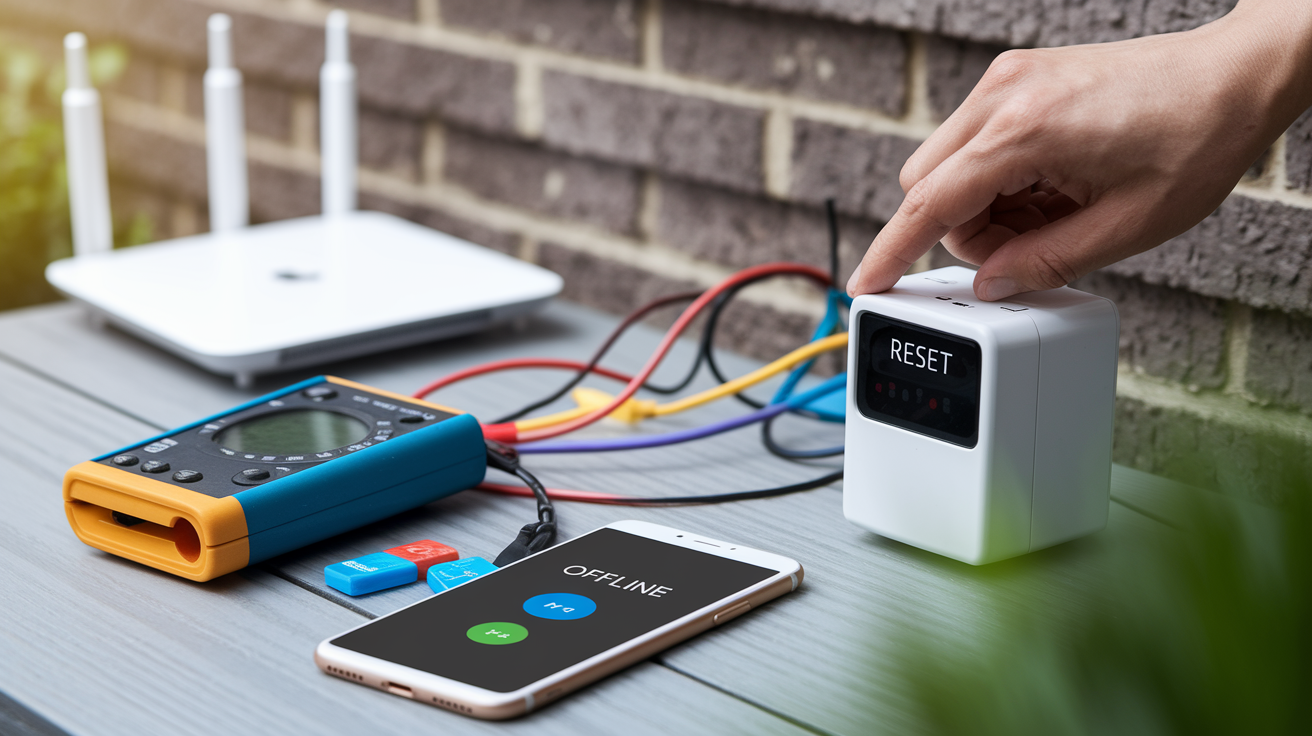
Weak Wi‑Fi is the most common headache. If your controller’s mounted in a metal box, behind stucco, or at the far edge of your property, signal strength drops and weather updates fail. Move your router closer, add a mesh node or Wi‑Fi extender, or switch to a dual‑band controller (Orbit XR supports 5 GHz, which pushes through obstacles better than 2.4 GHz). If relocating the router isn’t realistic, some users run an Ethernet cable to a nearby access point or upgrade to outdoor‑rated Wi‑Fi hardware.
Firmware updates fix bugs and add features, but many controllers don’t auto‑update. Check the app every few months for available updates and install them during a time when you won’t need to water. Updates can take five to ten minutes and may temporarily disable schedules.
Incorrect zone mapping causes zones to run too long, skip entirely, or water at the wrong time of day. If one zone’s always too wet or too dry, open the app and verify the soil type, sun exposure, slope, and nozzle type match what’s actually there. Small errors like setting “full sun” when the area’s really “partial shade,” or picking “clay” when your soil’s sandy loam, compound over weeks and waste water or stress plants.
Common fixes and preventive steps:
Re‑pair Wi‑Fi if the controller shows offline — delete the device from the app, reset the controller using the hardware button (hold for 10 seconds), and add it again as a new device.
Run manual test cycles twice per season — open each zone from the app and walk the yard to confirm heads pop up, coverage is even, and no leaks or broken sprinklers exist.
Clean sensors and check wiring annually — dirt, spider webs, and corrosion on terminals reduce conductivity. Wipe terminals with a dry cloth and tighten any loose screws.
Update weather settings when seasons change — some controllers let you toggle between warm‑season and cool‑season modes. Confirm the app’s using the correct local weather station and hasn’t defaulted to a station miles away.
Enable push notifications for all alerts — you want to know right away if a zone fails to start, a valve gets stuck open, or the controller loses internet, so you can fix problems before they waste water or damage plants.
If a zone won’t start even after checking wiring and running a test, the valve solenoid may be bad or the valve itself could be clogged. Replacing a solenoid costs $10 to $20 and takes ten minutes. Cleaning a valve requires shutting off water, unscrewing the bonnet, and flushing debris from the diaphragm.
Final Words
We jumped straight into a ranked list of top controllers, then compared zone capacity, weather automation, and app strengths so you can spot the real differences fast.
You also got a clear buying guide, step‑by‑step install notes, water‑saving and ROI expectations, plus simple maintenance and troubleshooting tips to keep things working.
If you want to lower your water bill and keep plants thriving, the best smart irrigation systems for home gardens make watering automatic, reliable, and much easier to manage.
FAQ
Q: What are the top smart irrigation systems?
A: The top smart irrigation systems are Rachio 3, Orbit B‑Hyve XR, RainMachine Touch HD‑12, Wyze Sprinkler Controller, and Netro Sprite; prices about $60–$250, offer weather automation, and typically cut water use 20–50% for small to large yards.
Q: How much water and money can a smart irrigation system save?
A: Smart irrigation systems typically cut water use by 20–50% and homeowners often recover system costs in 1–2 seasons, depending on local water rates, system price, and current watering habits.
Q: How do I choose the right smart irrigation system?
A: To choose the right system, consider garden size and layout, zone count, water pressure, Wi‑Fi reach, plant types, local watering rules, installation skill, and your budget.
Q: What differences should I compare between controllers (zones, weather automation, app)?
A: Zone capacity and weather automation differ by controller; expect 4–16+ zones, varying forecast accuracy, app quality, and some systems needing subscriptions or extra sensors for more precise weather or soil data.
Q: What are the typical installation and setup requirements?
A: Typical installation needs include access to your existing timer box, stable Wi‑Fi, basic wiring tools, mounting hardware, and an app account; most DIY setups take about 20–45 minutes per controller.
Q: Do smart irrigation systems require subscriptions?
A: Subscription needs vary; many controllers work without fees, while others charge for advanced forecasts, soil data, or analytics—Rachio usually has no required subscription, and RainMachine offers local, subscription-free options.
Q: What connectivity and compatibility should I check before buying?
A: Check connectivity and compatibility by confirming Wi‑Fi strength at the controller, low‑voltage valve wiring, cloud versus local control, supported smart‑home integrations, and whether the unit fits your zone count.
Q: What are common troubleshooting steps and maintenance tips?
A: Common problems include weak Wi‑Fi, outdated firmware, valve failures, and misconfigured zones; fix by boosting signal, updating firmware, testing wiring, cleaning valves, and reprogramming zone settings seasonally.
Q: How much do smart controllers cost and what are the price tiers?
A: Smart controller price tiers run budget $60–100, mid $120–180, and premium $200–300+; choose based on zone needs, app features, weather data accuracy, and expected long‑term water savings.