

Think the best local potters only show up at big craft fairs? Think again.
A few smart searches and one weekend studio visit will get you farther than months of browsing generic shop sites.
This post shares fast, practical ways to find ceramic artists near you, both online and in person.
You’ll learn where to search, which apps and hashtags actually work, where to meet makers, and what to ask about commissions or classes.
Simple steps you can do today to start collecting or take a class.
Immediate Ways to Discover Local Ceramic Artists in Your Area
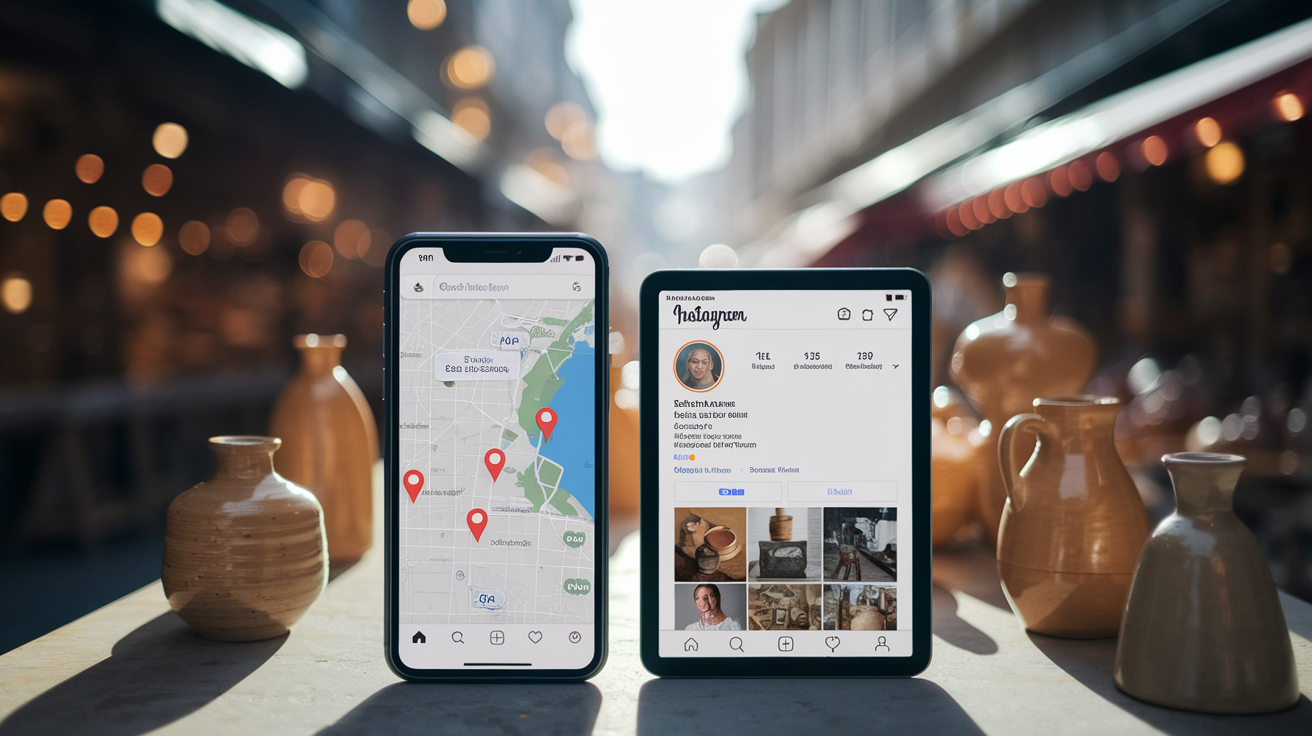
The fastest way to locate ceramic artists near you is to combine social media searches with Google Maps. Type “pottery studio” or “ceramic artist” into Google Maps, then browse profiles for photos, hours, and links to Instagram or Facebook pages. Most independent makers keep their social accounts more current than their websites. You’ll often find class schedules, drop announcements, and open studio dates posted directly in Stories or feed updates.
Online directories and event calendars designed for local makers streamline discovery even further. Regional clay directories, arts council listings, and platforms like Akimbo.ca let you filter by city or postal code to see upcoming exhibitions, workshops, and artist profiles. Many ceramic artists rely on Instagram for sales announcements and studio news. Others maintain Etsy shops or simple websites with contact forms and mailing list signups. Checking a maker’s Instagram bio usually reveals where they sell in person, whether that’s a monthly market booth or a teaching studio that stocks multiple artists.
Visiting maker markets, pottery studios, and gallery exhibitions gives you the clearest picture of an artist’s work and process. Artisan markets often rotate vendors every weekend or every two weeks, so you’ll meet new potters each visit. Open studio events, guild showcases, and ceramic exhibitions let you see finished pieces up close, ask questions about firing techniques or custom orders, and collect business cards before the work sells out.
Six quick start methods to find local ceramic artists:
- Search Google Maps for “pottery studio,” “ceramic artist,” or “clay co-op” and check profiles for Instagram handles and class schedules.
- Use Instagram location tags for your city plus hashtags like #yourcitypottery or #yourcityclay to surface makers posting from local studios.
- Browse regional artist directories and arts council listings filtered by ceramics or pottery.
- Sign up for gallery email lists and set region preferences on event platforms to receive exhibition and opening announcements.
- Visit farmers markets, craft fairs, and artisan pop-ups on weekends to meet potters selling directly from booths.
- Join a beginner pottery class at a community studio where instructors and fellow students often share recommendations for local makers.
Online Platforms That Make Discovering Ceramic Artists Easier

Instagram remains the most active platform for ceramic artists to share work in progress photos, kiln openings, restock countdowns, and studio updates. Artists post finished pieces in feed grids, announce sales and custom order slots in Stories, and engage directly with followers through comments and polls. Following a few local potters exposes you to tagged collaborators, studio mates, and guest teachers, quickly expanding your network. Liking and saving posts signals genuine interest. Leaving a specific comment like “Love the speckled glaze on that mug” often starts a conversation that leads to commissions or early access to new work.
Facebook groups dedicated to pottery and ceramics function as peer networks where hobbyists, beginners, and professional makers swap advice, share studio photos, and promote local events. Groups such as Clay Buddies, Pottery for Beginners, Potters with Knowledge to Share, and regional communities like Ontario Clay Community welcome questions about where to find local teachers, upcoming kiln sales, and guild meetings. Searching Facebook for “[your city] pottery” or “[your region] clay community” usually surfaces at least one active group where members tag each other in event posts and studio announcements.
Etsy operates as a storefront for small batch and made to order pottery. Shop pages list the maker’s location, production lead times, and custom order policies. Many Etsy sellers also link to Instagram accounts where they post behind the scenes content and studio news. Pinterest boards curated around ceramics, handmade tableware, and pottery inspiration often link back to individual maker websites or Etsy listings. TikTok and YouTube host pottery content ranging from wheel throwing tutorials to studio vlogs. Creators frequently include their city and studio name in video captions or channel descriptions, making it easy to identify makers working nearby.
| Platform | Why It Helps Discovery |
|---|---|
| Real time updates, location tags, hashtags, direct messaging, and tagged studio collaborators | |
| Facebook Groups | Regional communities share event invites, guild news, and maker recommendations |
| Etsy | Shop location filters, custom order options, and links to maker social accounts |
| TikTok & YouTube | Studio tours and process videos that name cities and teaching studios in captions |
| Curated boards with links back to maker websites, Etsy shops, and Instagram profiles |
How to Use Instagram Location Tags and Hashtags
Start by tapping the search icon in Instagram and selecting the “Places” tab, then type your city name or a nearby neighborhood. Scroll through the grid of posts tagged at pottery studios, art centers, and craft markets to see who’s posting from those spots. Click through to individual profiles, check bios for website links or Etsy shop URLs, and note whether the account belongs to a solo maker or a teaching studio that features multiple artists.
Combine location searches with local hashtags like #seattleceramics, #portlandpottery, or #yourcityclay to filter out content from distant makers. Niche hashtags such as #wheelthrown, #sgraffitoceramics, or #woodfiredpottery help you discover artists working in specific techniques. Engage by liking recent posts, saving items you might want to commission, and commenting with genuine questions or compliments. Many makers use Story polls to ask followers which glaze color to restock or which design to produce next. Participating in those polls often leads to direct messages about custom orders or early access to new inventory.
In Person Experiences to Find Ceramic Artists Near You

Art fairs, craft markets, and farmers market pottery stalls let you handle finished work, compare glaze finishes under natural light, and talk directly to the maker about firing methods, clay bodies, and care instructions. Artisan markets often rotate vendors on a weekly or biweekly schedule. Visiting the same venue multiple times introduces you to different potters each trip. Some markets assign permanent booths to popular makers, while others host juried pop-ups where emerging artists debut new collections. Arriving early increases your chances of snagging one of a kind pieces before they sell. Many makers accept commission requests or collect email addresses for private studio sale invitations.
Gallery exhibitions, open studio weekends, and ceramic showcases provide curated opportunities to see a range of work and meet artists in a relaxed setting. Galleries that represent ceramic artists often host opening receptions where makers attend, answer questions, and share stories behind individual pieces. Signing up for gallery email lists ensures you receive invitations to future exhibitions, artist talks, and members only previews. Open studio events, sometimes organized by local arts councils or ceramic guilds, let you tour working spaces, watch short demonstrations, and purchase directly from the studio without gallery commission markups.
Four in person venues and events to visit:
- Weekly or biweekly artisan markets with rotating pottery vendors
- Gallery opening receptions and ceramic exhibition previews
- Open studio weekends hosted by individual makers or studio collectives
- Juried craft fairs and annual ceramic showcases organized by regional arts councils
Local Classes, Workshops, and Studios as Discovery Hubs for Ceramics

Community pottery studios and teaching spaces function as natural gathering points for ceramic artists at all skill levels. Enrolling in a beginner wheel throwing class or a weekend glazing workshop puts you in the same room as working potters who teach, resident artists who rent studio time, and fellow students who often know which local makers accept commissions or sell at nearby markets. Instructors typically share recommendations for galleries, upcoming kiln sales, and guild meetings. Many studios display work from multiple resident artists on consignment shelves near the front desk.
Ceramic conferences, workshops led by visiting artists, and hands on demonstrations attract both hobbyists and established makers. These events create networking opportunities that extend beyond the classroom. Attending a talk by a recognized potter or participating in a group firing introduces you to other attendees who share similar aesthetic interests and can point you toward local artists working in complementary styles. Some studios host monthly critique nights, community firings, or collaborative projects like charity bowl fundraisers, all of which bring together makers who might not otherwise cross paths.
Membership based studios and pottery co-ops often list resident artists on their websites, complete with links to individual portfolios, Instagram accounts, and contact information. Visiting during open studio hours or scheduled gallery nights lets you browse finished work, watch artists at the wheel, and ask about custom orders without the pressure of a formal sales event. Many teaching studios also rent kiln space and offer community firing schedules. Checking the bulletin board or studio newsletter reveals which local makers are active and approachable.
Using Local Directories, Community Listings, and Arts Councils to Find Ceramic Artists

Regional ceramic directories, arts council rosters, and guild membership lists provide vetted, organized access to established makers in your area. Online directories let you filter by city, technique, or product type, delivering a curated list of artists complete with contact details, studio addresses, and links to portfolios. Some directories include photos of recent work, pricing ranges, and notes about whether the artist accepts commissions or teaches classes. This saves you time compared to open ended social media searches.
Arts councils and craft organizations maintain public listings of member artists, often categorized by medium and updated annually. These listings typically include artists who have completed juried applications or participated in council sponsored exhibitions, which serves as a baseline quality filter. Regional ceramic publications, guild newsletters, and mentorship program rosters also name active makers and highlight upcoming shows, field trips, and collaborative projects. Checking these resources quarterly keeps you informed about new artists entering the local scene and established makers launching new collections or opening studios to visitors.
| Directory Type | What It Offers | How It Helps Discovery |
|---|---|---|
| Regional Clay Directories | Searchable lists by city, filterable by technique and product type | Quickly identifies nearby makers with contact info and portfolio links |
| Arts Council Listings | Vetted rosters of juried members, categorized by medium | Provides baseline quality assurance and includes exhibition schedules |
| Guild Membership Pages | Member profiles, meeting dates, market booth schedules, volunteer opportunities | Connects you to active local networks and recurring in person events |
How to Contact, Support, and Build Relationships With Local Ceramic Artists

Reaching out to a ceramic artist starts with a clear, respectful message that shows you’ve looked at their work. Whether you’re sending a direct message on Instagram, an email through their website, or a comment under a recent post, mention a specific piece or glaze finish you admire and briefly explain what you’re looking for. If you’re interested in a commission, include practical details like intended use (everyday mugs, serving bowls, planters), size preferences, color palette, and your timeline. Most makers appreciate straightforward questions and will let you know if they’re accepting new projects, how long the turnaround is, and whether a deposit is required upfront.
Buying directly from a potter’s studio, website, or market booth puts more money in the maker’s pocket compared to gallery purchases that include commission splits. Direct sales also open the door to custom requests, early access to new work, and the chance to see pieces in progress during studio visits. Supporting local ceramic artists extends beyond purchases. Attending their exhibitions, sharing their Instagram posts, leaving thoughtful comments, signing up for their mailing lists, and recommending them to friends all contribute to a maker’s visibility and sustainability. Volunteering at guild events, participating in community kiln loads, or joining a studio membership strengthens the entire local ceramics ecosystem and often leads to lasting friendships with makers.
Five best practices for approaching ceramic artists:
- Reference a specific piece or glaze when you first reach out, showing you’ve spent time looking at their portfolio.
- Be clear about your budget, timeline, and intended use when inquiring about commissions or custom orders.
- Respect response times. Many makers work alone and check messages once or twice a day, not in real time.
- Ask whether the artist prefers contact through Instagram DM, email, or a website contact form, and use that channel consistently.
- Contribute to the relationship by attending openings, sharing posts, and recommending the maker to others, not just reaching out when you need something.
Final Words
Start with quick online searches and map tools to locate nearby studios, then follow Instagram, Etsy, and local directories for regular updates.
Go to maker markets, open studios, and classes to see work in person and ask artists about commissions or studio visits.
Taken together, these steps are the best ways to discover local ceramic artists online and in person, mix a few digital searches, a studio visit, and a class, and you’ll start finding makers and pieces that fit your home. It’s easier than it feels.
FAQ
Q: How much does the average ceramic artist make?
A: The average ceramic artist makes widely varying income: many makers earn $15,000–40,000 per year from sales and teaching; established studio owners or full-time sellers can reach $50,000+ annually.
Q: Who is the 8 most famous ceramic artist?
A: The 8 most famous ceramic artists are Bernard Leach, Shoji Hamada, Lucie Rie, Beatrice Wood, Peter Voulkos, Magdalene Odundo, Betty Woodman, and Grayson Perry.
Q: Is pottery good for arthritis?
A: Pottery is good for arthritis by offering gentle hand movement, grip strengthening, and joint-friendly motion; but start slowly, use padded tools, and check with your doctor if you have severe pain.
Q: Is ceramic an expensive hobby?
A: Ceramics can be an expensive hobby because kilns and tools add cost, but you can start cheaply with community classes, shared studios, or beginner kits; budget $20–200 to try it first.