

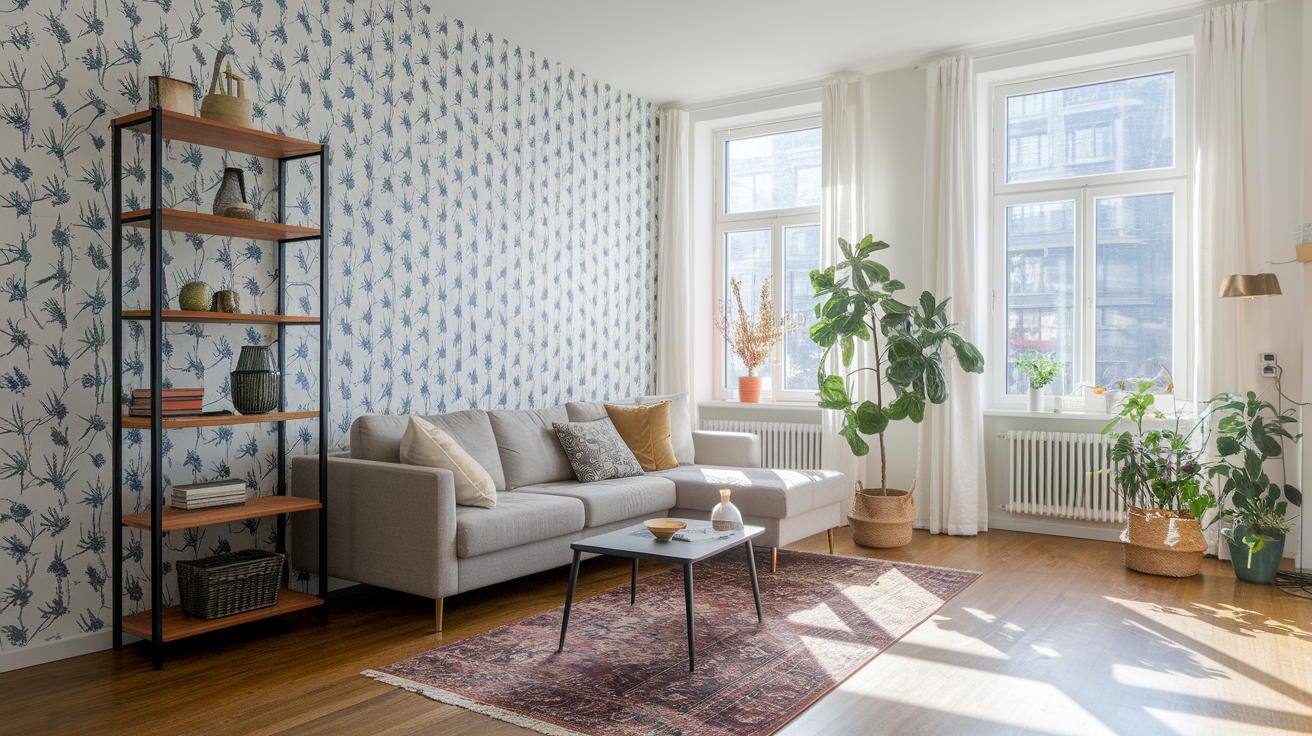

Think your lease means you have to live with beige forever?
Good news: you can make a rental feel like yours without holes, paint, or permission.
This post shows smart, renter-friendly swaps—removable wallpaper, peel-and-stick backsplashes, Command-style hangers, freestanding furniture, rugs, and plug-in lighting—that add real style and come off clean when you move.
You’ll get quick projects, budget options, and easy steps you can finish in an hour or a weekend.
Essential Renter-Friendly Decorating Strategies for Immediate Personalization
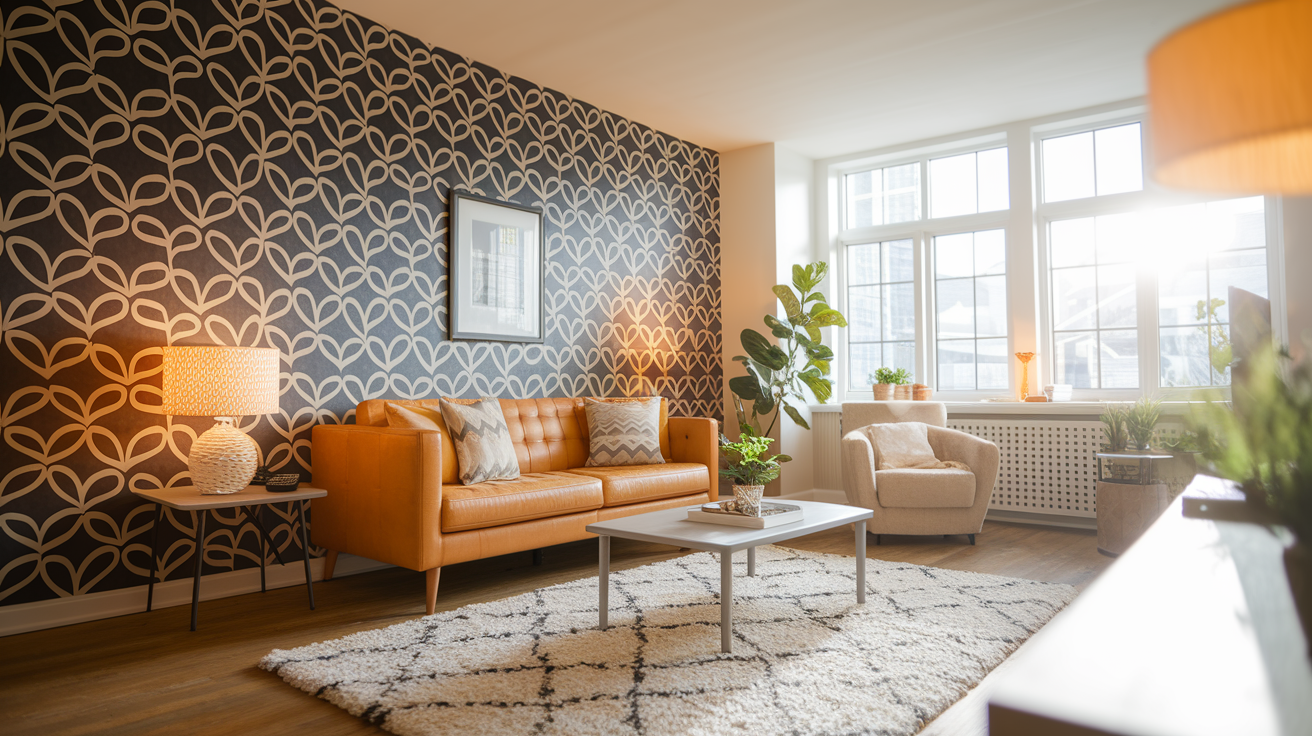
Your lease says no. No holes. No paint. No swapping out anything that looks permanent. Landlords want the place back exactly how you found it, and your security deposit depends on it.
But that doesn’t mean you’re stuck with beige walls and zero personality.
You’ve got options. Removable wallpaper, Command strips, peel-and-stick backsplash, area rugs. All of them work. And they come off clean when it’s time to go.
A standard roll of removable wallpaper covers about 56 square feet and peels away if you go slow and keep the angle around 45 degrees. Command strips hold anywhere from half a pound to 16 pounds, but you need to prep the surface with rubbing alcohol and let them cure for an hour before hanging anything. Peel-and-stick backsplash runs two to eight bucks per square foot. For a 12-square-foot section, you’re looking at 24 to 96 dollars total. Area rugs start at 20 dollars and go up to 300 depending on what you want.
None of this requires permission. You don’t need to call the landlord. When you move, you pull it off, pack it up, and leave nothing behind.
Six ways to make a rental feel like yours:
- Stick removable wallpaper on one wall or inside a closet for instant color.
- Hang art and mirrors with Command strips rated to match the weight.
- Use freestanding shelves, dividers, or wardrobes to carve out zones and add storage.
- Plug in wall sconces, set up floor lamps, or stick battery-powered lights where you need them.
- Apply peel-and-stick backsplash in the kitchen or bath for a quick refresh.
- Layer rugs over whatever flooring you’ve got to protect it and define spaces.
Temporary Wall Decor Ideas for Renters Seeking Personalized Style
Removable Wallpaper and Decals
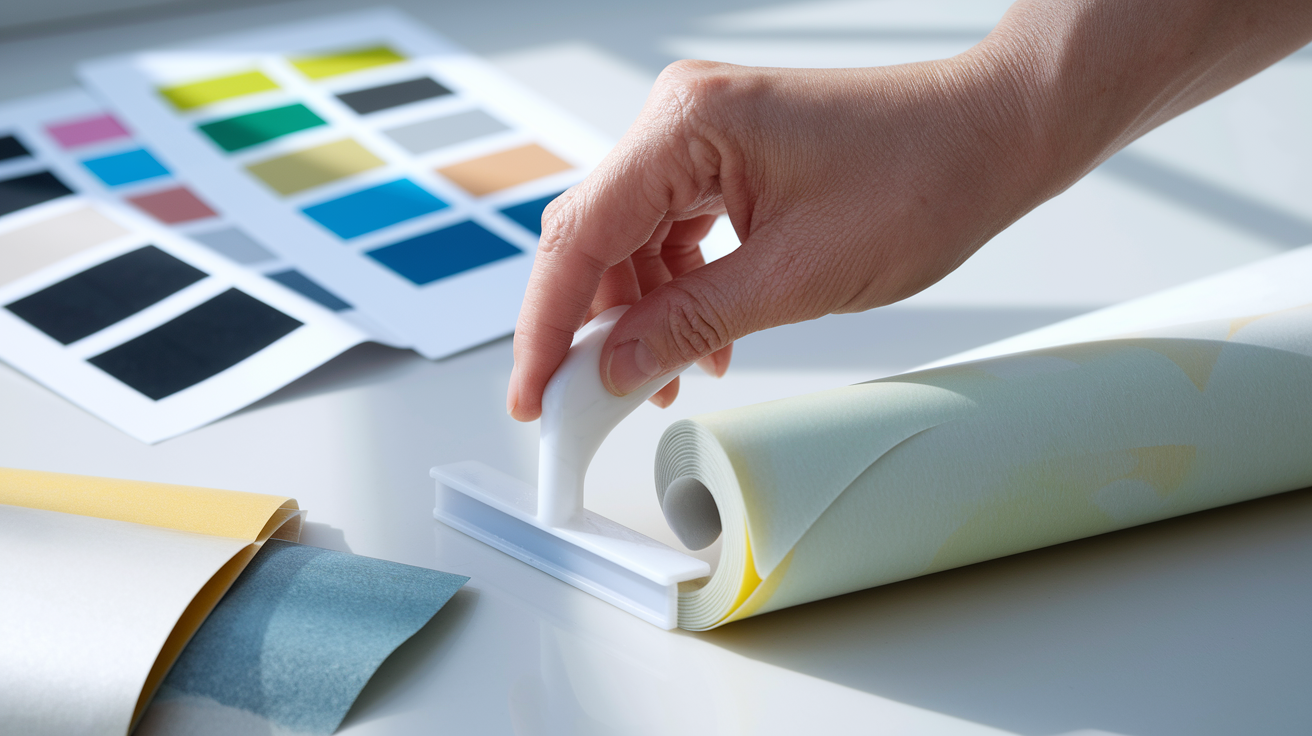
A roll of removable wallpaper typically measures 20.5 inches wide by 33 feet long and covers around 56 square feet. You’ll pay 20 to 60 dollars per roll. To install it, clean the wall with rubbing alcohol, let it dry, then peel and stick from top to bottom. Use a plastic squeegee to smooth out bubbles and a utility knife to trim the edges. Most peel-and-stick paper lets you reposition it for a minute or two before it sets, so you can adjust if it’s crooked.
Wall decals run five to 30 dollars per sheet and work well for smaller accents. Full murals cost 30 to 200 dollars depending on size. For hanging frames or mirrors, Command strips are your friend. Clean the surface, stick them on, wait an hour, then hang. When you’re ready to leave, pull the wallpaper slowly at that 45-degree angle. If there’s leftover stickiness, hit it with a hair dryer on low and wipe it away with a citrus-based remover.
Five ways to personalize walls without nails:
- Cover one accent wall with bold removable wallpaper.
- Add vinyl decals or a mural above your bed or desk.
- Set up floating picture ledges and lean frames instead of hammering nails.
- Lean a big mirror or piece of art on the floor against the wall for height.
- Apply peel-and-stick molding panels to fake wainscoting or trim detail.
Renter-Safe Flooring Upgrades That Add Warmth and Personality

Peel-and-stick vinyl planks cost 1.50 to four dollars per square foot and go right over your existing floor. Click-lock luxury vinyl floats on top without any adhesive, so it’s completely reversible. Both come in wood, stone, and tile looks. When you move, you peel or lift the planks and roll them up. Rug pads run 10 to 50 dollars and keep rugs from sliding while protecting the floor underneath.
Area rugs are the easiest fix. Layer two smaller ones to cover more space, or drop a patterned rug over neutral carpet to define a seating area. You can find them for 20 to 300 dollars, and they come with you when you go.
| Option | Cost | Best Use Case |
|---|---|---|
| Peel-and-stick vinyl planks | $1.50–$4.00 per sq ft | Full room coverage in kitchens, bathrooms, or bedrooms with dated flooring |
| Removable carpet tiles | $2.00–$6.00 per sq ft | High traffic areas, bedrooms, or offices where you want cushion and sound absorption |
| Layered area rugs | $20–$300 per rug | Defining zones in open floor plans, protecting floors, and adding color without installation |
Renter-Friendly Lighting Ideas to Transform Ambience Without Wiring

Plug-in wall sconces cost 30 to 100 dollars each. Mount them with adhesive strips or a picture hook and run the cord down to an outlet. Floor lamps go for 40 to 200 dollars and give you ambient or task light without any installation. Battery-operated LED puck lights are six to 20 dollars each and stick under cabinets or inside closets.
None of this requires rewiring or ceiling work, which your lease probably bans anyway.
Keep cords neat with adhesive-backed cord covers and cable clips. A pack costs five to 15 dollars and peels off clean when you leave. Mix lighting at different heights to add depth and make small rooms feel bigger.
Five lighting upgrades you can do today:
- Install plug-in sconces next to your bed or sofa for reading light.
- Stick battery-operated puck lights inside cabinets, closets, or under shelves.
- Run LED strip lights behind your desk, TV, or shelves for ambient glow.
- Add a tall floor lamp in a corner to bounce light off the ceiling.
- Use cord clips and covers to manage wires along walls and baseboards.
Freestanding & Multi-Functional Furniture for Renter-Friendly Personalization

Freestanding furniture gives you storage and structure without drilling. Shelving units and room dividers run 30 to 500 dollars depending on what you pick. A basic five-shelf bookcase costs 50 to 150 dollars and holds 50 to 70 books. Lean big frames or mirrors against them instead of hanging. Or set them perpendicular to a wall to split a studio into separate zones.
Modular shelving can be rearranged as your needs shift and moved between apartments without leaving marks. Freestanding wardrobes add closet space without touching built-ins. Kitchen carts or bar carts give you extra counter area and organization. You can find these secondhand or flat-packed for easy transport.
Storage-Boosting Furniture That Doubles as Decor
Freestanding closet systems cost 80 to 300 dollars and include rods, shelves, and cubbies you assemble without drilling. Put them in bedrooms, entryways, or walk-ins to increase capacity. Open shelves and ladder units display plants, books, and decorative stuff while taking up minimal floor space. Because they stand on their own weight, they leave no holes or sticky spots when you disassemble and move.
Renter-Friendly Storage and Organization Ideas That Enhance Decor

Over-the-door organizers cost 10 to 40 dollars and hook over the top of any door to hold shoes, cleaning supplies, toiletries, or pantry items. Tension rods run 10 to 50 dollars each and wedge between two surfaces using spring pressure. No drilling. Use them inside cabinets to hang spray bottles, across closet openings for extra hanging space, or in alcoves to mount curtains or fabric dividers.
Under-bed storage bins with 30 to 80 liter capacity cost 10 to 40 dollars and slide beneath your bed frame to hold off-season clothes, extra linens, or bulky items. Freestanding closet kits are 80 to 300 dollars and provide modular shelving, rods, and drawers you can arrange however you need. All of it moves with you.
Four storage upgrades that don’t damage walls:
- Hang over-the-door organizers on bedroom, bathroom, and pantry doors.
- Install tension rods inside cabinets, across closets, or in window frames.
- Slide flat bins under your bed for hidden seasonal storage.
- Assemble a freestanding closet system to supplement limited built-in storage.
Temporary Kitchen & Bath Decor Ideas That Add Personality Without Damage
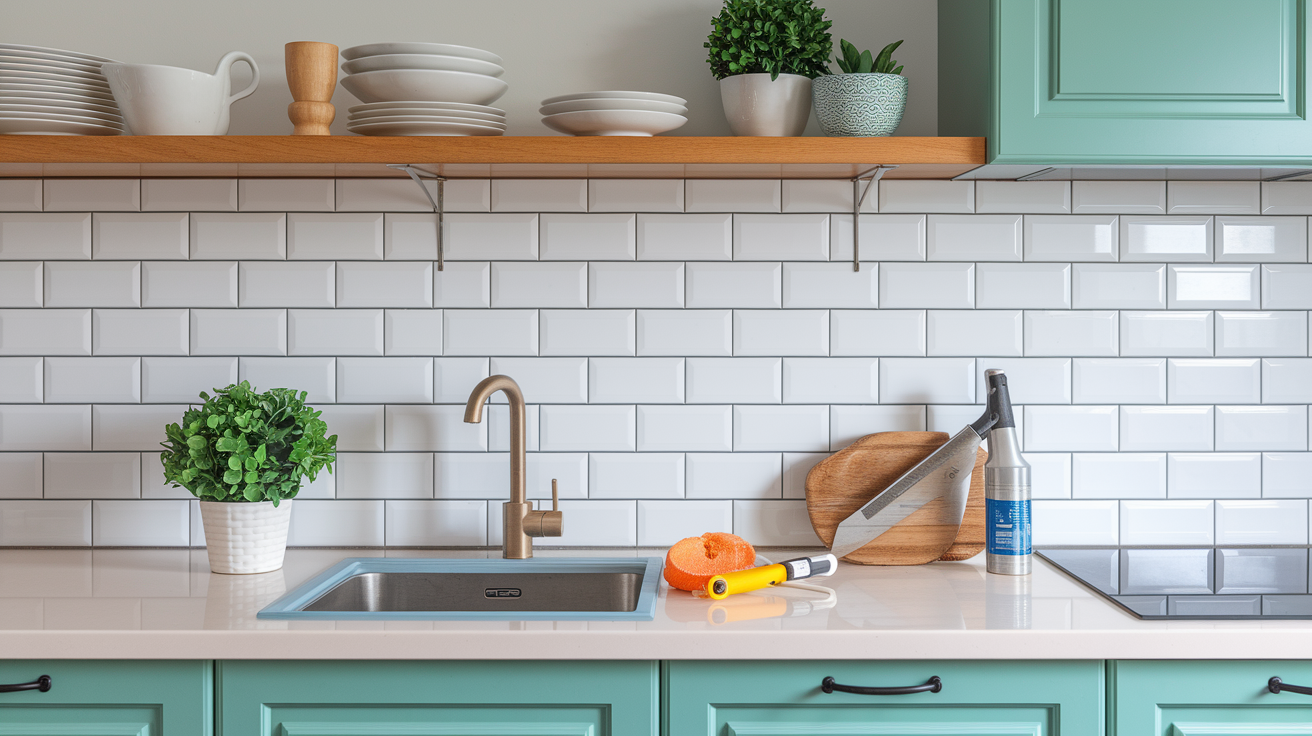
Peel-and-stick backsplash tiles cost two to eight dollars per square foot. For a typical 12-square-foot backsplash, you’re spending 24 to 96 dollars. Small packs covering about 10 square feet run 20 to 80 dollars. These tiles come in subway, hexagon, and mosaic patterns and stick directly to painted drywall or existing tile. Peel the backing, press into place, smooth with a plastic squeegee. When you leave, heat the adhesive with a hair dryer and peel slowly at a 45-degree angle.
Stainless-look or brushed-metal adhesive panels measure about two feet by two feet and cost 30 to 80 dollars per panel. Use heavy-duty removable adhesive strips rated for high temps and keep them away from open flames. In bathrooms, peel-and-stick vinyl tile can refresh floors, and a bold shower curtain adds color with zero installation.
Damage-Free Cabinet, Counter, and Tile Personalization
Removable cabinet liners protect shelves and add pattern inside cabinets and drawers. Contact paper in marble, wood grain, or solid colors can be applied to countertops, cabinet fronts, or appliance sides for a temporary refresh. Cut it to size with a utility knife, peel the backing, smooth it down. Peel-and-stick countertop covers come in rolls for 10 to 40 dollars and cover small sections. All of this peels off clean if you go slow and use low heat to soften the adhesive.
Renter-Friendly Decorating With Plants, Textiles & Accessories
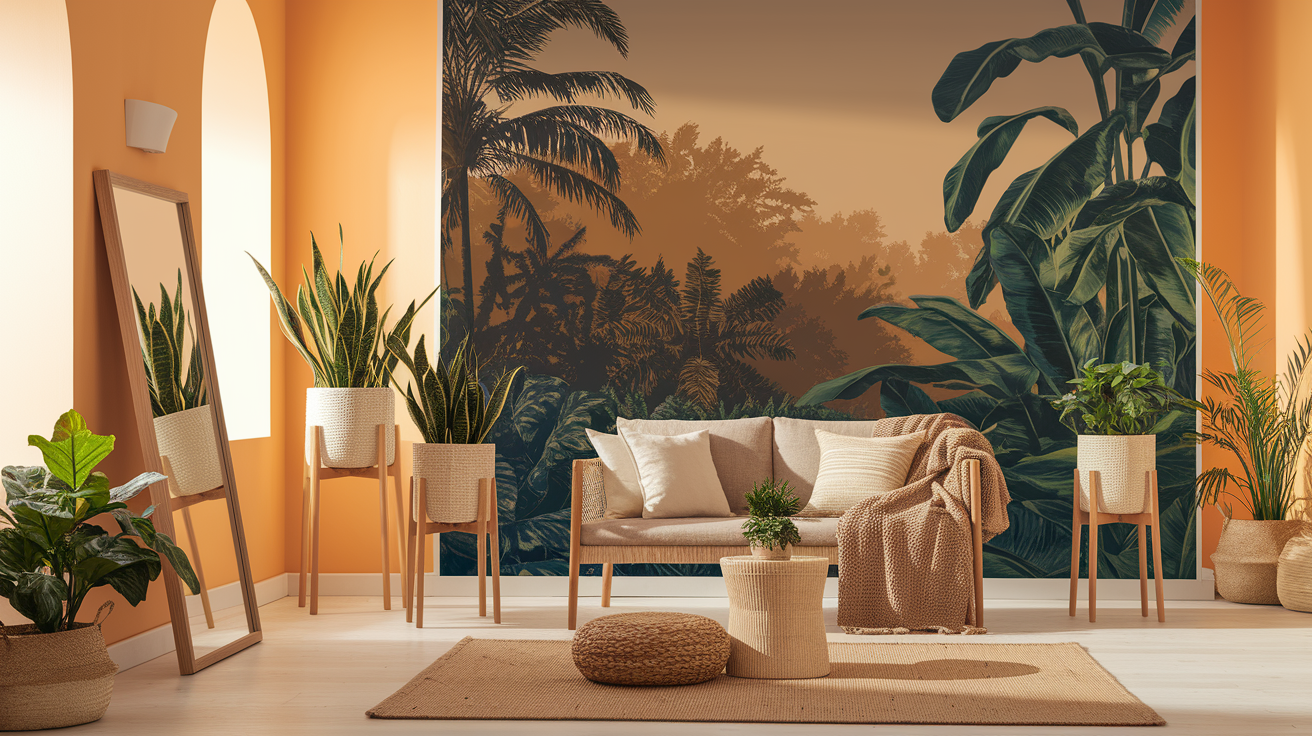
Live plants in freestanding pots or hanging planters add life without altering walls or floors. If you don’t have much natural light, use high-quality faux plants that look real and need no care. Vinyl wall murals cost 30 to 200 dollars and create dramatic feature walls in living rooms, bedrooms, or home offices. Leaning mirrors expand light and make small rooms feel bigger without drilling.
Textiles and pillows are the fastest way to bring in color and texture. Swap out throw pillows, add a chunky knit blanket, or drape a woven throw over your sofa. All portable. All reversible. No installation.
Six renter-safe decor accents:
- Place potted plants on windowsills, shelves, and plant stands.
- Hang a large vinyl mural or textile tapestry using Command strips or a tension rod.
- Lean a full-length mirror against a wall to reflect light.
- Layer throw pillows in bold colors and patterns on your sofa or bed.
- Drape a woven throw blanket over a chair or sofa arm.
- Display framed prints or artwork on floating shelves or leaning against the wall.
Damage-Free Installation Tips for All Renter-Friendly Decor Projects
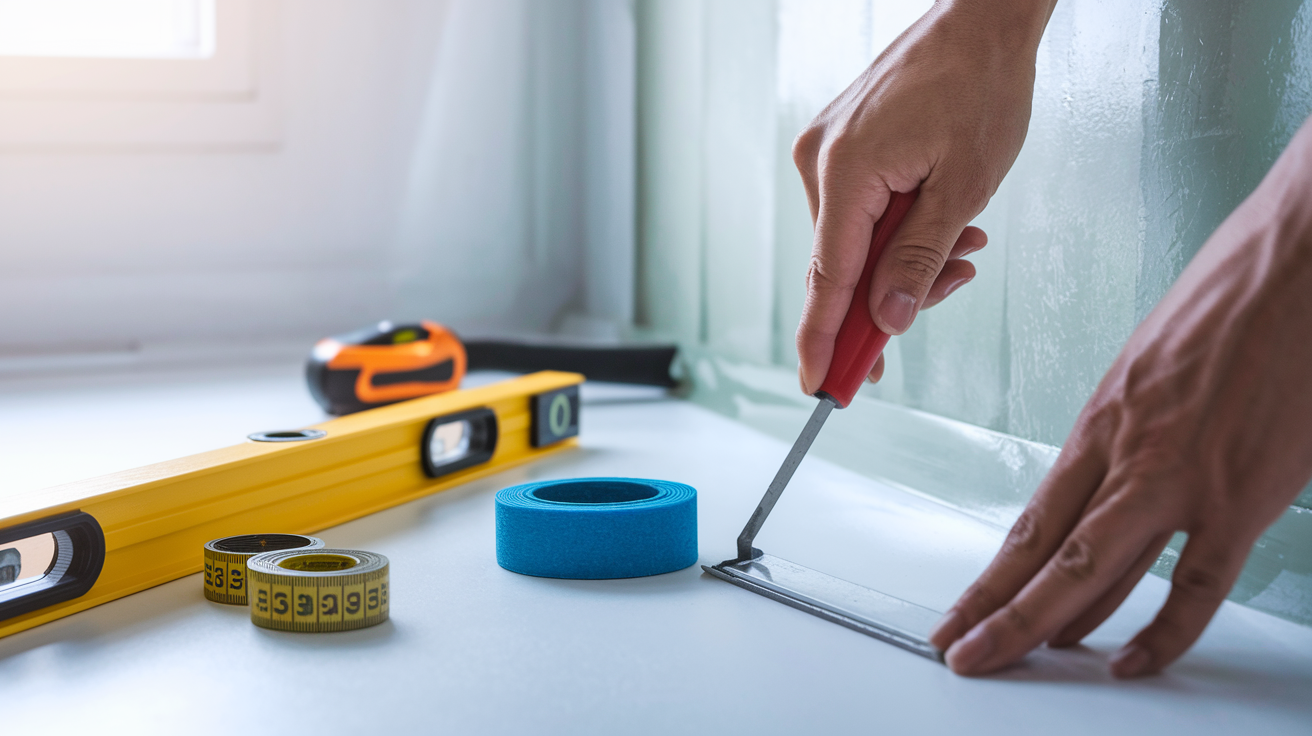
Clean all surfaces with rubbing alcohol before applying adhesive. Wipe the area and let it dry completely, then peel the backing and press firmly. Most adhesives need about 24 hours to cure before you load them with weight, so wait before hanging art, installing shelves, or applying stress. When it’s time to remove adhesive products, peel slowly at a 45-degree angle and use low heat from a hair dryer to soften stubborn residue.
You’ll need a plastic squeegee for five to 10 dollars, a J-roller for eight to 20 dollars, a utility knife for five to 15 dollars, a measuring tape for five to 15 dollars, and a level for 10 to 25 dollars. Keep a heat gun or hair dryer on hand for removal, which costs 15 to 50 dollars if you don’t have one.
Five universal steps for installing renter-friendly decor:
- Photograph the wall, floor, or surface before you start so you have proof of its original condition.
- Clean the surface with rubbing alcohol and let it dry for at least five minutes.
- Measure twice and cut once, using a level and measuring tape.
- Apply adhesive by peeling at a 45-degree angle and smoothing with a squeegee or J-roller.
- Wait the recommended cure time, typically 24 hours, before adding weight.
Avoiding Common Adhesive & Surface Issues
Textured or glossy painted walls reduce how well adhesive sticks because the product can’t bond evenly. Test a small strip in an inconspicuous area first. If it fails to stick or pulls away easily, choose leaning or freestanding alternatives instead. Very old or stained walls may show discoloration or adhesive residue even after proper removal, so document the condition before you start. High-humidity rooms like bathrooms need peel-and-stick products specifically designed for moisture. Look for waterproof or mildew-resistant labels and increase cure times in damp environments to get a strong bond.
Final Words
Start with one small change you can finish in a day, like an area rug, peel-and-stick wallpaper, or a plug-in sconce, to make the place feel personal fast.
This post walked through renter-friendly options for walls, floors, lighting, furniture, storage, kitchens, bathrooms, and install tips that protect your deposit and remove cleanly.
Try a few renter friendly ways to personalize decor this weekend; small, reversible updates add up to a home that looks and lives better. You’ve got this.
FAQ
Q: What rental rules usually limit decorating?
A: Rental leases usually prohibit drilling, painting, or altering floors and cabinets, so pick damage-free updates like removable wallpaper, freestanding furniture, and plug-in lighting to personalize safely.
Q: How can I personalize walls without damaging them?
A: You can personalize walls without damage by using removable wallpaper, decals, gallery ledges, large leaning art, and removable molding for bold style that peels off cleanly when removed properly.
Q: How do I install and remove removable wallpaper and decals?
A: Removable wallpaper and decals install with a squeegee, utility knife, and J-roller; clean the wall first, let adhesive cure, and remove slowly at a 45-degree angle to avoid damage.
Q: How do I use command strips safely and what can they hold?
A: Command strips work when you clean surfaces with isopropyl alcohol, let adhesive cure (about one hour, longer for heavier loads), and follow size-specific weight limits—usually 0.5 to 16 pounds per strip type.
Q: Are peel-and-stick backsplashes an affordable renter option?
A: Peel-and-stick backsplashes cost about $2–$8 per square foot; a typical 12 sq ft area runs $24–$96, offering an easy, removable way to update kitchens without tiling.
Q: How can I upgrade floors in a rental without permanent changes?
A: You can upgrade floors with peel-and-stick vinyl planks ($1.50–$4/sq ft), click-lock floating LVP, or layered area rugs with rug pads ($10–$50) to protect floors and add warmth.
Q: What renter-friendly lighting options avoid wiring?
A: Renter-friendly lighting options include plug-in sconces ($30–$100), floor lamps ($40–$200), LED strips and puck lights ($6–$20), plus cord covers and clips to keep cables neat and wall-safe.
Q: How can freestanding furniture help shape a rental space?
A: Freestanding, multi-functional furniture like bookcases, étagères, and room dividers shapes layout without drilling and gives spots to lean art, hide cords, and add style in rentals.
Q: What storage solutions work without drilling holes?
A: Damage-free storage includes over-the-door organizers ($10–$40), tension rods ($10–$50), freestanding closet kits ($80–$300), and under-bed bins ($10–$40) to boost organization without tools.
Q: How can I update kitchens and bathrooms temporarily?
A: Temporary kitchen and bath upgrades use peel-and-stick backsplash tiles ($2–$8/sq ft), removable cabinet liners, contact paper, and peel-on countertop covers for reversible style and quick cleanup.
Q: Will renter-friendly updates risk my security deposit?
A: Following manufacturer removal steps, testing a small area first, and saving receipts helps protect your security deposit when you use removable wallpaper, strips, and peel-and-stick products.
Q: What basic tools and steps are needed for damage-free installation?
A: Damage-free installation needs basic tools—squeegee, J-roller, utility knife, level—and steps: clean with isopropyl alcohol, align, press firmly, let adhesive cure, then remove slowly at 45 degrees.
Q: How do I avoid common adhesive and surface problems?
A: You avoid adhesive problems by testing a small spot first, steering clear of heavily textured or high-humidity walls, and following cure times, since texture and moisture often reduce adhesion.