

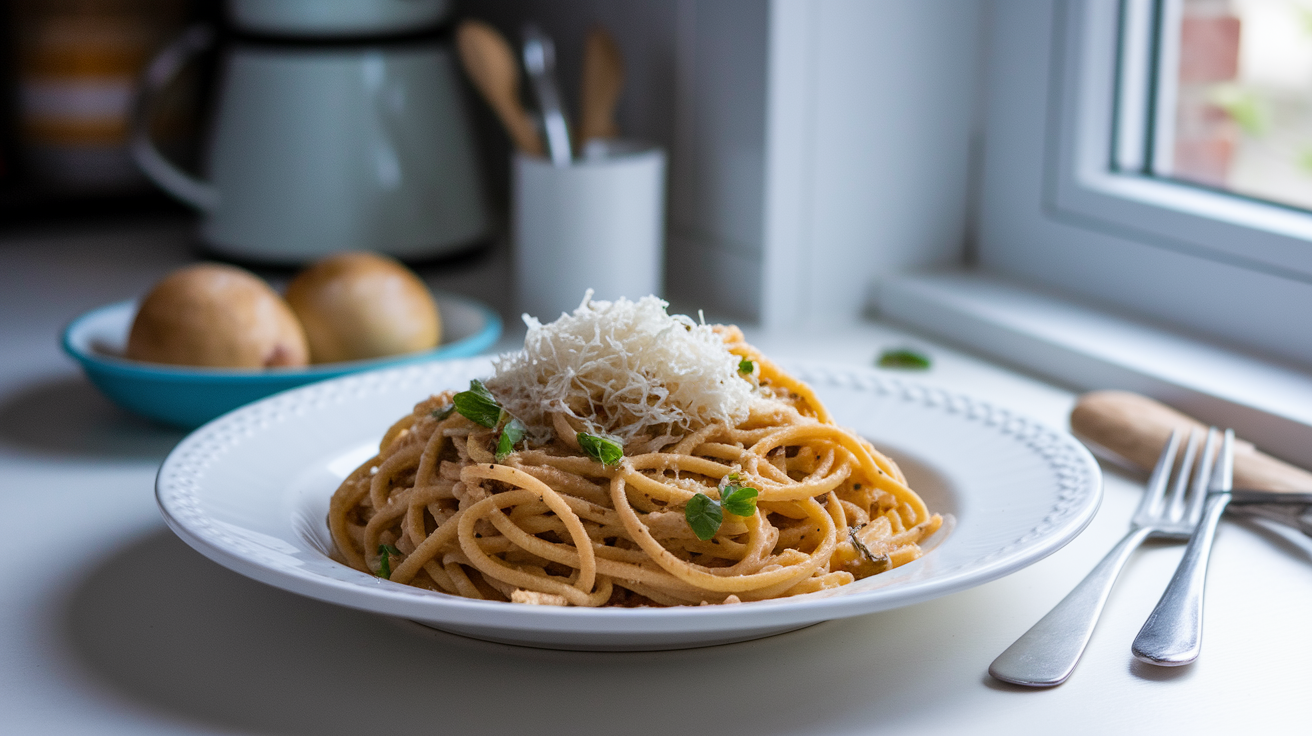

Think vegetarian dinners take forever?
Most of them don’t—if you use the right tricks.
If you walk in the door hungry, you have about 15 to 30 minutes before everyone gets cranky.
This post gives easy vegetarian weeknight meals ready in 30 minutes or less, using pantry staples, frozen veggies, and simple sauces.
One-pot pastas, quick stir-fries, sheet-pan dinners, and tossed salads are the formats that work.
You’ll get recipes and shopping tips that cut prep, save dishes, and still feel like real food.
No fancy ingredients, no long lists—just dinners that actually fit weeknights.
Quick Vegetarian Dinners Ready in 15–30 Minutes
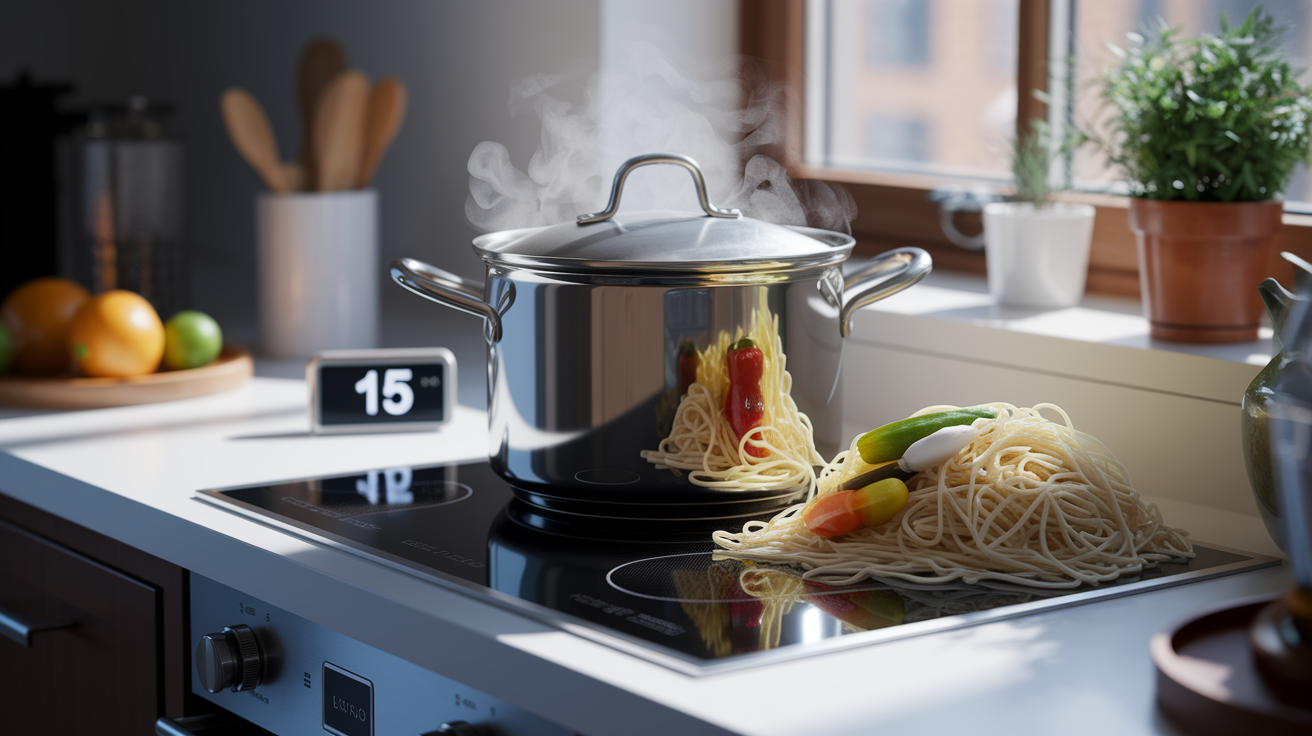
Most weeknight vegetarian meals that actually work land somewhere between 15 and 30 minutes. That’s about the window you’ve got when you walk in the door and need to eat before everyone gets cranky. It’s also the sweet spot where you can build real flavor without feeling like you’re stuck at the stove forever. A lot of recipes hit closer to 15 if you keep basic stuff stocked and don’t overthink it.
The fastest formats don’t change much: one-pot pastas where the sauce and noodles cook together, sheet-pan dinners that roast while you clear the counter, quick stir-fries over high heat, and grain bowls built on rice or quinoa you cooked earlier. These work because they stack flavor without piling on steps. A decent skillet and a baking sheet will handle most of it.
Here are six meals that regularly come in under 15 minutes:
Gochujang noodles – Toss cooked noodles with gochujang paste, soy sauce, sesame oil, and scallions in about 10 minutes.
Creamy coconut milk pasta – Boil pasta, drain, stir in coconut milk, garlic, and spinach. Done in 10.
Black bean tacos – Warm canned black beans with cumin and chili powder, pile into tortillas with salsa and avocado.
Chickpea chopped salad – Toss canned chickpeas with diced cucumber, tomatoes, and lemon vinaigrette.
Avocado chickpea sandwich – Mash chickpeas with avocado, lemon juice, and salt. Spread on bread.
Vegan noodle soup – Simmer vegetable broth with soy sauce, add cooked noodles and bok choy. Takes 10 minutes.
These lean on canned beans, dried pasta, frozen vegetables, and condiments you probably already own. Minimal chopping, minimal pans. Almost no standing around means you can get dinner done even when the rest of the day went completely sideways.
One-Pot and Minimal-Cleanup Vegetarian Meals

One-pot cooking keeps things manageable because everything happens in a single pan and you’re not bouncing between burners or setting multiple timers. You build layers by adding ingredients in the right order: aromatics first, then spices, then liquids and proteins. The whole meal comes together without transferring stuff around or washing extra bowls. Common pantry staples include canned diced tomatoes, dried lentils, chickpeas, pasta, vegetable broth, curry powder, cumin, and garlic. A 10- or 12-inch skillet with a lid handles most of it.
One-pot meals span curries, pastas, and lentil stews without much fuss. A green lentil curry simmers dried lentils in coconut milk and curry spices until tender, usually about 25 minutes on the stovetop or faster in an Instant Pot. Pasta puttanesca cooks dried pasta directly in a garlicky tomato sauce with olives and capers, so the noodles absorb flavor as they soften and you never touch a colander. Chickpea and spinach curry starts with sautéed onion and garlic, adds curry powder and canned chickpeas, then wilts fresh spinach into the sauce in under 15 minutes. Tomato basil gnocchi uses shelf-stable gnocchi that cooks right in marinara sauce, turning tender and saucy in one pan. These formats work for nights when you want something filling but don’t want to manage multiple tasks.
| Dish | Total Time | Key Ingredients |
|---|---|---|
| Green lentil curry | 25 minutes | Dried lentils, coconut milk, curry powder, garlic, spinach |
| Chickpea & spinach curry | 15 minutes | Canned chickpeas, diced tomatoes, curry powder, baby spinach |
| Pasta puttanesca | 20 minutes | Dried pasta, canned tomatoes, olives, capers, garlic |
| Tomato basil gnocchi | 15 minutes | Shelf-stable gnocchi, marinara sauce, fresh basil, Parmesan |
Affordable Pantry‑Based Vegetarian Meals
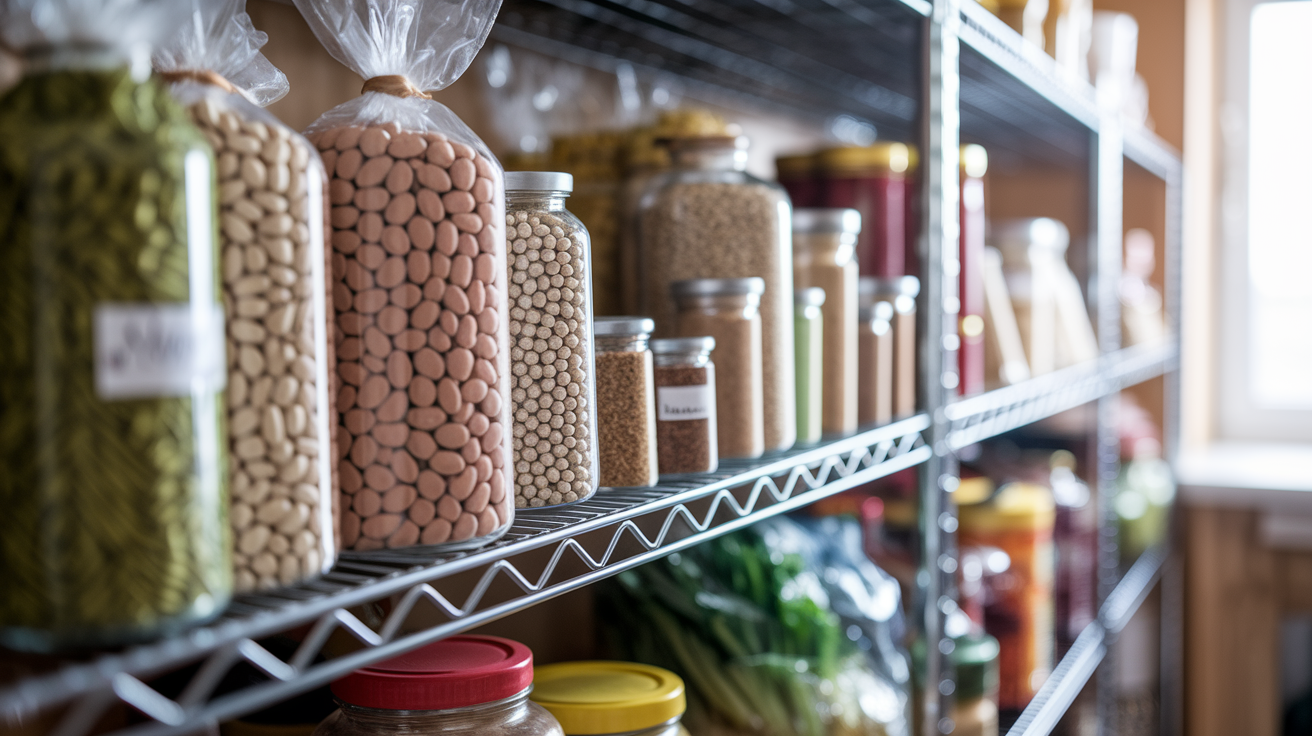
Pantry staples let you skip the grocery store on busy nights and still make a complete meal, which cuts both cost and the mental load of deciding what’s for dinner. Canned beans, dried pasta, rice, lentils, canned tomatoes, and basic spices form the backbone of cheap vegetarian cooking because they store for months, usually cost under two bucks per item, and cook fast. Frozen vegetables add nutrition without the waste of fresh produce you might not use in time. Most pantry-based vegetarian meals run between $1.25 and $3.00 per serving, depending on what proteins and toppings you add.
Here’s how common pantry ingredients work in quick meals:
Canned beans (chickpeas, black beans, white beans) – Rinse and add to curries, tacos, salads, or mash into sandwich spreads in under 5 minutes.
Dried pasta – Boils in 8 to 12 minutes and pairs with any sauce from simple garlic and olive oil to tomato-based or creamy coconut milk.
Rice (white, brown, or instant) – Forms the base for stir-fries, burrito bowls, or fried rice. Instant rice cooks in 5 minutes.
Canned diced tomatoes – Builds the base for pasta sauces, soups, and curries with almost no prep.
Spices (cumin, smoked paprika, curry powder, chili flakes) – Transform simple ingredients into distinct flavors without extra shopping.
Canned coconut milk – Adds creaminess and richness to curries, soups, and pasta sauces without dairy.
Frozen vegetables (broccoli, spinach, mixed stir-fry blends) – Go straight from freezer to pan. No chopping, and they cost less per serving than fresh.
These ingredients stay shelf-stable or freezer-stable for weeks to months, so you can stock up when prices drop and always have the building blocks for a fast dinner. A well-stocked pantry means you can make lentil soup, bean-based curries, harissa pasta, or vegan bolognese without leaving the house, even when the fridge looks empty.
Under‑15‑Minute Vegetarian Meals for Busy Nights

Ten to fifteen minutes is about as fast as dinner gets without opening a bag of chips and calling it done. These meals work for nights when you’re running late, exhausted, or just don’t want to think. The trick is using ingredients that need zero or minimal cooking: canned beans, pre-cooked noodles, quick-cooking vegetables like spinach or cherry tomatoes, and condiments that double as sauces.
Here are five extremely fast recipes that deliver a real meal in about 10 to 15 minutes:
Sesame noodles – Toss cooked noodles with soy sauce, rice vinegar, sesame oil, and a spoonful of peanut butter, then top with sliced scallions and sesame seeds.
Halloumi salad – Slice and pan-fry halloumi cheese for 3 minutes per side, toss with mixed greens, cherry tomatoes, cucumber, and lemon vinaigrette.
Quick Indian chickpeas – Sauté garlic and curry powder in oil for 1 minute, add canned chickpeas and a splash of coconut milk, simmer 10 minutes, serve over rice or with naan.
Tofu scramble wraps – Crumble firm tofu into a hot skillet with turmeric and a pinch of salt, cook 5 minutes, wrap in tortillas with salsa and greens.
Southwest salad with black beans and corn – Combine canned black beans, frozen corn (thawed), diced bell pepper, romaine lettuce, and a lime-cumin dressing.
These meals span noodles, salads, tacos, and wraps, so you’re not eating the same thing every time you need speed. The variety comes from swapping proteins (beans, tofu, halloumi) and flavor profiles (Asian, Indian, Mexican, Mediterranean) rather than adding cooking time.
Common shortcuts that shave minutes off prep include buying pre-washed salad greens, using canned beans instead of soaking and cooking dried, keeping cooked noodles or rice in the fridge for up to four days, and reaching for frozen vegetables that go straight into the pan. If you keep soy sauce, curry powder, salsa, and a bottle of vinaigrette on hand, you can build a sauce in the time it takes to open a can.
Family-Friendly Vegetarian Dinner Ideas
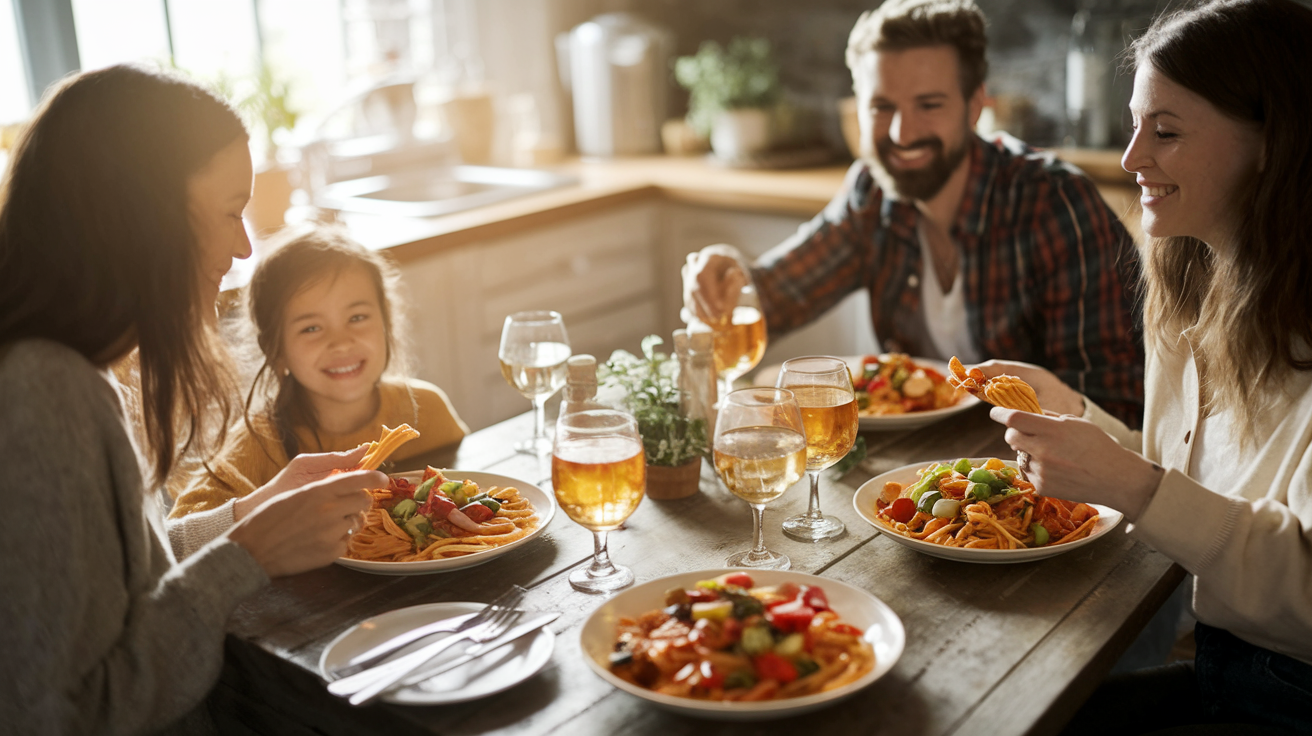
Family-friendly vegetarian meals usually lean toward familiar textures and mild flavors that won’t scare off picky eaters. That means pastas, cheesy casseroles, pizza-style dishes, and vegetables that roast until sweet. Kids tend to accept foods they recognize (noodles, rice, tortillas, cheese) more easily than unfamiliar grains or strong spices, so starting with those formats and adding vegetables in ways that taste good (roasted, mixed into sauces, or topped with cheese) works better than trying to convince anyone that a bowl of plain steamed broccoli counts as dinner.
Here are five kid-friendly vegetarian recipe styles:
Air fryer pizza – Use naan or pita as the base, top with marinara and shredded mozzarella, cook in the air fryer for 5 to 7 minutes until bubbly.
Avocado pesto pasta – Blend avocado, basil, garlic, and lemon juice into a creamy green sauce, toss with pasta and cherry tomatoes.
Roasted vegetable medley – Toss diced bell peppers, zucchini, and carrots with olive oil and a pinch of salt, roast at 425°F for 20 minutes until caramelized, serve over rice or with rolls.
Halloumi fritters – Grate halloumi cheese, mix with flour and egg (or flax egg), pan-fry into savory patties, serve with ketchup or yogurt dip.
Quesadillas with black beans and cheese – Spread canned black beans and shredded cheese between tortillas, cook in a skillet until crispy, cut into wedges.
Mild seasonings like garlic powder, a little cumin, or Italian herbs work better for most kids than chili flakes or curry powder. Serving vegetables alongside a familiar carb (pasta, rice, tortilla) and offering a dipping sauce (ketchup, ranch, yogurt) helps with acceptance. If a recipe can be customized at the table (build-your-own tacos, pizza with choose-your-toppings, or pasta with optional add-ins) everyone’s more likely to eat without complaints.
Protein-Packed Plant‑Based Meals for Weeknights

Quick vegetarian protein sources include canned beans, canned lentils, tofu, tempeh, and dairy like cheese or Greek yogurt if you’re not vegan. A 15-ounce can of chickpeas or black beans delivers about 12 to 15 grams of protein per can, roughly half of what most people need per meal. One 14-ounce block of firm tofu contains about 40 grams of protein total, so half a block per person brings a meal into the 18- to 20-gram range. Canned lentils cook faster than dried and pack about 18 grams of protein per cup, making them one of the easiest high-protein shortcuts.
Ways to Add More Protein Fast
Press and cube a block of firm tofu, toss with soy sauce or your favorite marinade, and pan-fry or bake for 15 minutes to use in stir-fries, tacos, or grain bowls. Canned lentils rinse clean in 30 seconds and go straight into soups, curries, or salads without any simmering. Canned beans (chickpeas, black beans, white beans) work the same way: drain, rinse, season, and add to almost anything. Tempeh crumbles or slices quickly and absorbs marinades in about 10 minutes, then cooks in a hot skillet in under 10 more.
Complete proteins come from combining grains and legumes in the same meal, like rice and beans, pasta and chickpeas, or quinoa and lentils, because together they provide all the amino acids your body needs. You don’t have to eat them in the same bite, just within the same day, but putting them in one dish makes it easier. A burrito bowl with brown rice, black beans, and salsa checks that box. So does pasta with white beans and spinach, or a lentil curry served over rice.
| Ingredient | Approx. Protein/Serving | Fast Use Case |
|---|---|---|
| 1/2 block firm tofu (7 oz) | 20 g | Stir-fries, tacos, scrambles |
| 1 can (15 oz) chickpeas | 12–15 g | Curries, salads, mashed sandwiches |
| 1 cup canned lentils | 18 g | Soups, grain bowls, tacos |
| 1 cup cooked quinoa | 8 g | Bowls, salads, side dishes |
Make-Ahead, Batch-Cook, and Leftover Vegetarian Meal Strategies

Prepping grains and vegetables in advance turns weeknight cooking into assembly instead of starting from scratch every time. Cook two cups of dried rice or quinoa on Sunday. That yields about six cups cooked, enough for three to four meals. Store it in the fridge in a sealed container for up to four days. Roast a sheet pan of diced sweet potatoes, bell peppers, zucchini, or broccoli at 425°F for 20 to 25 minutes, then portion into containers and add to grain bowls, pastas, tacos, or scrambles all week. Pre-chopping onions, garlic, and bell peppers and storing them in small containers saves five to ten minutes per meal.
Here are six efficient meal-prep actions that streamline weeknight dinners:
Batch-cook grains – Two cups dried rice, quinoa, or farro becomes six cups cooked. Refrigerate up to four days or freeze in portions for up to three months.
Roast vegetables in advance – One sheet pan of mixed vegetables lasts three to four days and reheats in two minutes in the microwave.
Pre-chop aromatics – Dice onions, mince garlic, and chop bell peppers on Sunday, store in airtight containers, use all week.
Marinate and bake tofu – Press, cube, marinate, and bake two blocks of tofu. Store cooked cubes in the fridge for three to four days, add to stir-fries or bowls.
Make freezer-friendly soups – Double a soup recipe, portion into 16-ounce containers, freeze for up to three months, thaw and reheat in 10 minutes.
Portion meals into containers – Use 500-milliliter reusable containers, one per serving, to grab-and-go for lunch or reheat for dinner without measuring.
Leftovers turn into new meals without much work. Cooked rice becomes fried rice with frozen vegetables, soy sauce, and scrambled eggs or tofu. Roasted vegetables tossed with pasta, olive oil, and Parmesan make a five-minute dinner. Leftover curry or chili gets wrapped in tortillas, spooned over baked potatoes, or stirred into grain bowls. A batch of cooked lentils transforms into lentil tacos one night, lentil soup the next, and a lentil salad for lunch. Thinking in components (protein, grain, vegetable, sauce) instead of single-use recipes makes it easier to mix and match what’s already cooked.
International Vegetarian Weeknight Meal Inspiration
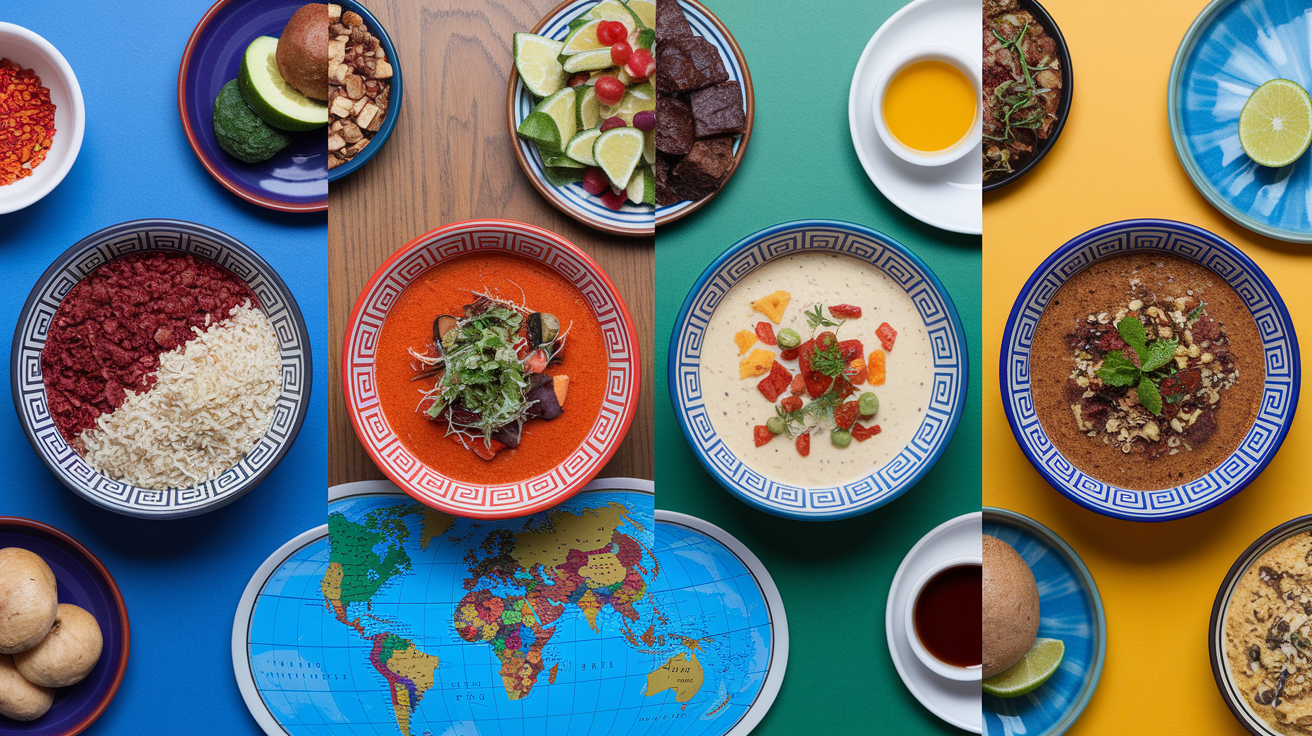
Quick global flavors keep weeknight dinners from feeling repetitive without adding complicated techniques or hard-to-find ingredients. Asian-inspired recipes like pad thai, sesame noodles, or vegetable stir-fries rely on pantry staples like soy sauce, sesame oil, rice vinegar, and ginger, most of which keep for months. Mexican-style meals (black bean tacos, tofu tinga, or burrito bowls) use cumin, chili powder, canned beans, tortillas, and salsa. Italian classics like pasta with sun-dried tomatoes, garlic and olive oil, or simple marinara come together in one pot with dried pasta, canned tomatoes, garlic, and basil. Curries pull from Indian, Thai, or Caribbean traditions and usually start with curry powder or paste, coconut milk, and whatever vegetables or legumes you have on hand.
Here are four quick internationally inspired recipe categories:
Asian stir-fries and noodle dishes – Sesame-ginger tofu stir-fry, garlic stir-fry noodles, or 15-minute vegan pad thai using rice noodles, soy sauce, lime, and peanuts.
Mexican tacos, bowls, and wraps – Black bean tacos with cumin and chili powder, lentil tacos with salsa verde, or tofu tinga (shredded tofu in smoky tomato sauce) served in tortillas.
Italian pasta and simple sauces – Pasta checca (fresh tomatoes, basil, garlic, olive oil, no cooking), sun-dried tomato pasta with coconut milk, or aglio e olio (garlic, olive oil, chili flakes).
Curries from India, Thailand, and the Caribbean – Coconut milk chickpea curry with curry powder, aubergine curry with Thai red curry paste, or Jamaican-style pumpkin soup with allspice and thyme.
Pantry items like soy sauce, curry paste, cumin, tortillas, canned tomatoes, and coconut milk unlock dozens of meals across different cuisines without needing specialty stores or long ingredient lists. A bottle of soy sauce and a jar of curry paste each cost under five dollars and last for months, turning plain rice and vegetables into something that tastes like takeout.
Many international dishes adapt easily to vegetarian protein swaps. Tofu works in place of chicken in stir-fries and curries. Jackfruit (canned in brine, not syrup) shreds like pulled pork for tacos or gyros. Lentils replace ground meat in bolognese or taco filling. Chickpeas stand in for paneer in Indian recipes. The cooking methods and flavor profiles stay the same, so you’re not learning entirely new techniques. Just swapping the protein.
Final Words
You now have fast 15–30 minute recipes, under-15-minute options for the busiest nights, one-pot dinners that cut cleanup, pantry-driven budget meals, kid-friendly picks, protein-forward choices, batch-cook tricks, and global flavor ideas.
Pick one simple pantry staple, set a 30-minute timer, and try a one-pot or sheet-pan dinner tonight. Small steps add up and leftovers make tomorrow effortless.
These easy vegetarian weeknight meals are practical and low-stress, so you can eat well on busy evenings. Try one tonight — you’ve got this.
FAQ
Q: How long do easy vegetarian weeknight meals usually take?
A: Easy vegetarian weeknight meals usually take about 15–30 minutes, with many ultra-fast options around 10–15 minutes for busy nights.
Q: What types of quick vegetarian dinners cook fastest?
A: Quick vegetarian dinners cook fastest as one-pot meals, sheet-pan roasts, fast pastas, and quick stir-fries that use high heat and simple finishes.
Q: What pantry staples should I keep for fast vegetarian dinners and are they budget-friendly?
A: Keeping canned beans, canned tomatoes, dried pasta, rice, coconut milk, and frozen vegetables makes fast vegetarian dinners budget-friendly and flexible for many recipes.
Q: Why choose one-pot vegetarian recipes for weeknights?
A: One-pot vegetarian recipes cut cooking time and cleanup, use staples like lentils, canned tomatoes, pasta, and make versatile meals like curries, stews, or pasta in one pan.
Q: What are good under-15-minute vegetarian meals for very busy nights?
A: Good under-15-minute vegetarian meals include gochujang noodles, creamy coconut milk pasta, vegan noodle soup, black bean tacos, and an avocado chickpea sandwich for instant dinners.
Q: How can I get enough protein in quick plant-based dinners?
A: Getting protein in quick plant-based dinners comes from tofu, lentils, canned beans, tempeh, and combining grains with legumes for complete protein in simple recipes.
Q: What kid-friendly vegetarian dinners work for picky eaters?
A: Kid-friendly vegetarian dinners use mild flavors, familiar textures, and build-your-own plates—think roasted veg medleys, simple pastas, quesadillas, or air-fryer pizzas with hidden grated vegetables.
Q: What meal-prep and batch-cook strategies save time during the week?
A: Meal-prep and batch-cook strategies include cooking grains ahead, roasting vegetables for several days, pre-chopping aromatics, freezing soups, and portioning meals for quick reheats and bowls.
Q: How do I minimize cleanup after vegetarian weeknight meals?
A: Minimizing cleanup comes from one-pot recipes, sheet-pan dinners, using foil or parchment, and prepping ingredients in a single cutting session to reduce dishes.
Q: What simple ingredient swaps work if I’m missing something?
A: Simple swaps include canned beans for cooked lentils, coconut milk for cream in pasta, frozen veg for fresh, and different pastas or grains when needed.
Q: How should I store and reheat leftover vegetarian meals?
A: Store leftover vegetarian meals in the fridge for 3–4 days; freeze soups and stews for 1–3 months; reheat gently with a splash of water or broth to restore texture.