



Think you can’t make your rental feel eco-friendly because you’re not allowed to drill, paint, or remodel?
Think again.
Sustainable decorating ebooks for renters show simple, removable swaps, like peel-and-stick wallpaper, thrifted furniture makeovers, and low-VOC textiles, that improve indoor air quality, cut waste, and move with you.
This roundup points you to renter-ready guides with step-by-step photos, landlord-safe tips, printable checklists, and realistic budgets so you can start a greener home project in an afternoon or over a weekend.
Curated Sustainable Decorating eBooks That Fit Renter Needs

Sustainable decorating ebooks built for renters solve a specific problem: how to create a greener, healthier home when you can’t drill into studs, replace countertops, or repaint every wall. These guides focus on removable wallpaper techniques, thrifted furniture restoration, non-toxic textiles, and plug-in lighting upgrades that travel with you when the lease ends. Most ebooks in this category cost between $9.99 and $24.99 as PDF or ePub downloads. Many offer free preview chapters so you can check whether the projects match your skill level and apartment constraints before buying.
Authors in this space typically combine interior design credentials with hands-on renting or small-space experience. Look for books written by designers who emphasize salvage sourcing, zero-waste living coaches, or building-science educators who translate passive-house principles into renter-scale actions like sealing drafts with temporary caulk strips or swapping incandescent bulbs for LEDs. Preview pages usually show sample project steps, materials lists, and before-and-after photos. You can gauge whether the instructions assume access to a workshop or stick to tools you already own.
Common features you’ll find:
Step-by-step photo tutorials for upcycling thrift-store chairs, applying peel-and-stick tile backsplashes, building simple wooden plant stands from salvaged wood
Material comparison charts summarizing pros, cons, cost, and renter-safety for options like cork bulletin boards, linen curtains, jute rugs, bamboo shelving
Printable checklists and shopping templates organized by room, budget tier, and project timeline (10 minutes, one afternoon, one weekend)
Landlord-approval worksheets to document changes, photograph original conditions, plan damage-free removal at move-out
Zero-waste living guidance covering DIY all-purpose cleaners, “plastic diet” swaps, decluttering strategies that avoid sending usable items to landfill
Sustainable Decorating eBooks for Removable and Non‑Damaging Apartment Upgrades

The best renter decorating ebooks teach you to treat every upgrade as temporary and reversible. You’ll find detailed instructions on removable wallpaper application, including surface prep (wipe with diluted vinegar, let dry completely), alignment tricks for pattern matching, and safe removal methods that leave paint intact. Many guides also cover peel-and-stick materials beyond wallpaper: tile backsplashes for kitchens, wood-grain contact paper for outdated cabinetry, fabric wall decals that cling without adhesive and peel off in seconds.
Ebooks in this category often include diagrams showing damage-free hanging systems like 3M Command strips rated by weight, tension rods for curtains and room dividers, magnetic hooks for metal door frames. You’ll see real apartment photos illustrating how renters layered these techniques to add color, texture, and storage without a single nail hole. Books that include salvaged-material styling and minimalist decluttering approaches are especially useful here. They show you how to create visual interest through furniture arrangement, textile layering, and movable accent pieces instead of built-in shelving or permanent fixtures.
Step-by-step guidance for non-damaging apartment upgrades:
-
Temporary adhesives and safe removal timelines. Learn which peel-and-stick products work on textured walls, how long you can leave them up before adhesive hardens, and removal techniques like warming edges with a hairdryer and peeling at a 45-degree angle.
-
Landlord-safe installation sequences. Follow project flows that photograph original conditions first, test adhesives in hidden spots, document every change so you can reverse it completely before move-out inspection.
-
Damage-free hanging hardware. Compare weight limits, wall-type compatibility, reusability of Command strips, picture-hanging strips, adhesive hooks, over-the-door organizers.
-
Removable eco-wallpaper sourcing and application. Find papers printed with water-based inks on FSC-certified backing, measure and order with minimal waste, smooth out bubbles during install, remove cleanly by loosening one corner and pulling slowly toward the opposite edge.
eBooks Featuring Sustainable Furniture, Upcycling, and Secondhand Styling for Renters

Renter-focused furniture ebooks emphasize portability, low cost, simple tools. You’ll find books dedicated to thrift-store treasure hunting, explaining how to spot solid-wood construction under chipped veneer, test drawer joints for sturdiness, negotiate prices at estate sales. Other guides walk you through the full upcycling process: sanding a vintage dresser in a parking spot or patio, applying low-VOC stain in a well-ventilated area, sealing with water-based polyurethane so fumes don’t linger in your apartment.
Upcycling Tutorials for Portable, Non‑Permanent Furniture
Typical ebook tutorials break each project into timed phases. A basic chair refresh might start with a 15-minute disassembly and cleaning step. Then a 30-minute sanding session. An hour of staining (plus overnight dry time). A final 20-minute hardware upgrade. You’ll see lists of eco-friendly finishes like tung oil, beeswax polish, milk paint, along with application tips for small spaces: work near an open window, lay down a drop cloth you can fold and store, keep brushes in sealed jars between coats to avoid buying disposable foam applicators.
Books that focus on beginner-level woodworking teach you to make simple home accents from found materials like fallen branches, reclaimed pallet slats, driftwood. Projects stay small. A three-legged plant stand. A wall-mounted coat rack with branch pegs. A rustic picture frame. You can complete them on a balcony or in a hallway without needing a garage workshop. Instructions assume basic hand tools: a saw, sandpaper, wood glue, a drill you can borrow or rent.
Thrift and Salvage Guides that Support Sustainable, Low-Budget Styling
Thrift and salvage ebooks teach sourcing strategies first: when to visit donation centers for the freshest arrivals, how to search online marketplaces with filters for “solid wood” and “pick-up only” to avoid shipping waste, which items almost always sell for less than their value (anything needing minor repairs or an outdated finish). You’ll find revival techniques for common problems like water rings on wood (rub with a paste of baking soda and non-gel toothpaste), loose chair rungs (inject wood glue, clamp overnight), musty-smelling upholstery (sprinkle with baking soda, let sit for 24 hours, vacuum thoroughly).
Styling chapters show how to mix reclaimed, repurposed, and antique pieces into a cohesive look. One ebook might recommend a “rule of three” for finishes. Choose three wood tones and repeat them across the room. Another suggests balancing ornate vintage finds with plain modern textiles to avoid a cluttered feel. Photo spreads often include floor plans and shopping lists, so you can see exactly which five thrifted items furnished a living room for under $200.
| Ebook Type | Project Complexity | Materials Required |
|---|---|---|
| Upcycling furniture guides | Beginner to intermediate; 1–4 hours per piece | Sandpaper, low-VOC stain, brushes, wood glue, screws |
| Thrift styling handbooks | Beginner; mostly shopping and arranging | Cleaning supplies, furniture pads, measuring tape |
| Salvaged-wood DIY projects | Beginner; 30 minutes to 2 hours per accent piece | Found branches, hand saw, sandpaper, wood glue, twine or screws |
Sustainable Textiles, Rugs, and Eco‑Friendly Soft Goods in Renter‑Focused eBooks
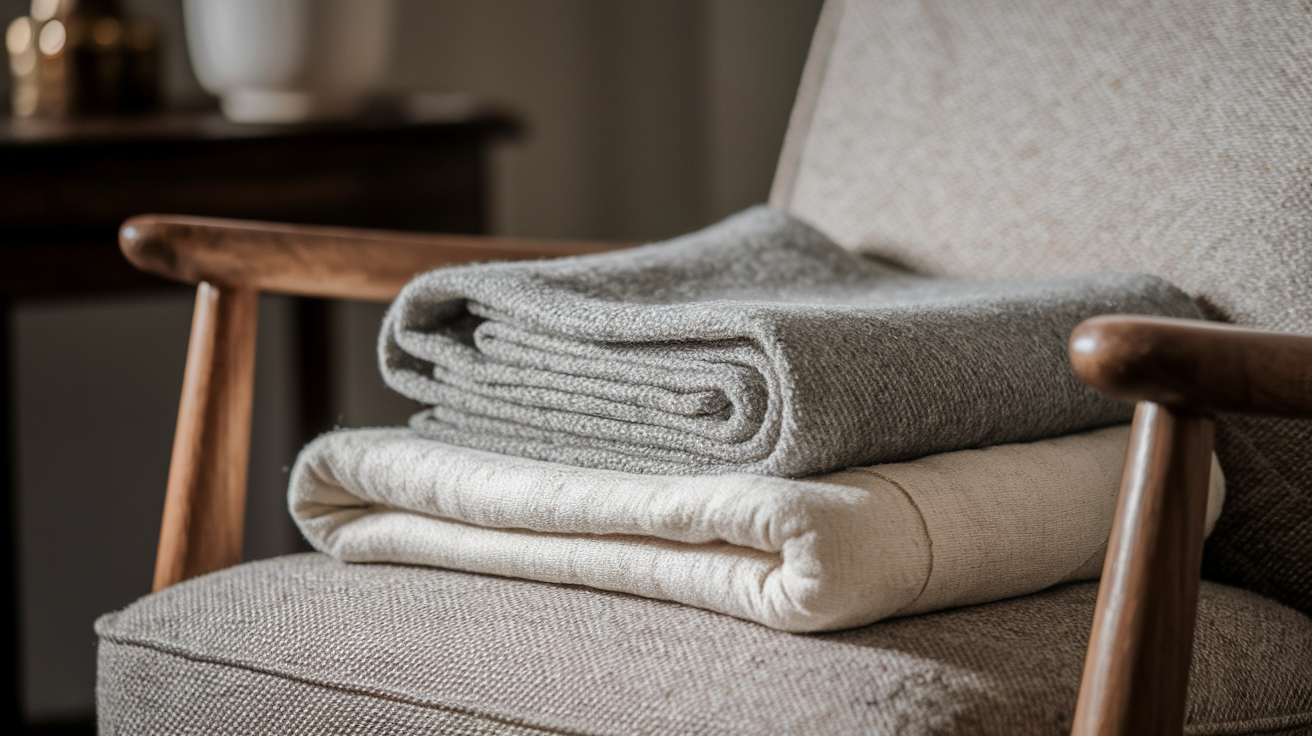
Textile-focused ebooks help renters choose fabrics and soft furnishings that improve indoor air quality, reduce waste, leave apartments unchanged at move-out. You’ll find guidance on selecting natural fibers like organic cotton, linen, hemp, jute over synthetic blends that off-gas VOCs and shed microplastics in the wash. Many books include care instructions tailored to small-space living: how to hand-wash linen curtains in a bathtub, line-dry heavy throws over a tension-rod shower bar, spot-clean wool rugs with club soda and a soft brush instead of renting a steam cleaner.
Window-treatment chapters often emphasize removable options. Tension rods let you hang blackout curtains without drilling. Clip rings attach fabric panels to rods in seconds so you can swap colors seasonally or take everything with you when you move. Books covering bedding and bath textiles explain the difference between GOTS-certified organic sheets and “100% cotton” (which may still use pesticide-heavy conventional farming). They list questions to ask retailers about dye processes, factory conditions, end-of-life recyclability.
Key textile topics in renter decorating ebooks:
Plant-based and natural-fiber sourcing. Compare organic cotton, linen, hemp, bamboo lyocell, jute for durability, texture, care needs, price per yard or per item.
Sustainable care and maintenance routines. Learn to wash in cold water with eco-friendly detergent, air-dry to extend fabric life, repair small tears or loose hems instead of replacing whole pieces.
Removable hanging and layering techniques. Use tension rods, clip rings, fabric ties to install curtains, room dividers, canopy accents that require no wall anchors.
Rug placement for function and aesthetics. Position natural-fiber area rugs to absorb sound in echo-prone rooms, add insulation over cold floors, define zones in open layouts, protect carpet from furniture dents (making security-deposit return easier).
Renter‑Friendly eBooks on Energy‑Saving and Eco‑Lighting Upgrades

Lighting ebooks for renters focus on plug-in solutions and bulb swaps that lower energy bills and reduce heat without touching hardwired fixtures. You’ll find step-by-step instructions for replacing incandescent bulbs with LEDs. Check wattage and color temperature first, then twist the old bulb counterclockwise and screw in the new one. Honestly, it’s that simple. Guides also help you choose warm white (2700K–3000K) for bedrooms and living areas versus cool white (4000K–5000K) for kitchens and bathrooms.
Many ebooks explain how to layer lighting using only portable fixtures. A typical layout might combine a plug-in floor lamp with an uplight for ambient glow, a clip-on desk lamp for task lighting, a string of LED Edison bulbs on a command-hook garland for accent light. You’ll see diagrams showing how to position lamps to reduce shadows, reflect light off pale walls, avoid glare on screens. Books that cover passive-house principles often include renter-scale adaptations like adding sheer linen curtains to diffuse harsh sunlight, using draft stoppers under doors to prevent heat loss, sealing window gaps with removable weatherstripping that peels off without residue.
Some guides include sections on indoor air quality and non-toxic product choices, explaining how certain lamp finishes and cord coatings can off-gas formaldehyde or phthalates. They’ll recommend looking for UL-listed or ETL-certified fixtures, checking for lead-free solder in vintage rewires, choosing lampshades made from natural fibers or recycled paper instead of vinyl-backed synthetics.
Practical lighting upgrades renters can complete in minutes:
-
LED bulb retrofits throughout the apartment. Swap every incandescent and CFL for LEDs to cut lighting energy use by up to 75%, reduce heat output, extend bulb life to 15,000–25,000 hours so you won’t need replacements during a typical lease term.
-
Plug-in pendant kits and swag hooks. Hang ceiling-style lights without hardwiring by using a swag hook screwed into a stud (or toggle bolt in drywall), draping the cord along the ceiling with command clips, plugging into an outlet. Remove everything and patch the single hook hole at move-out.
-
Energy-efficient window treatments for passive heating and cooling. Install thermal or blackout curtains on tension rods to block summer heat gain and winter drafts, or layer sheer linen panels over existing blinds to diffuse light without adding permanent hardware.
Sustainable Living and Zero‑Waste eBooks That Improve Everyday Renter Habits
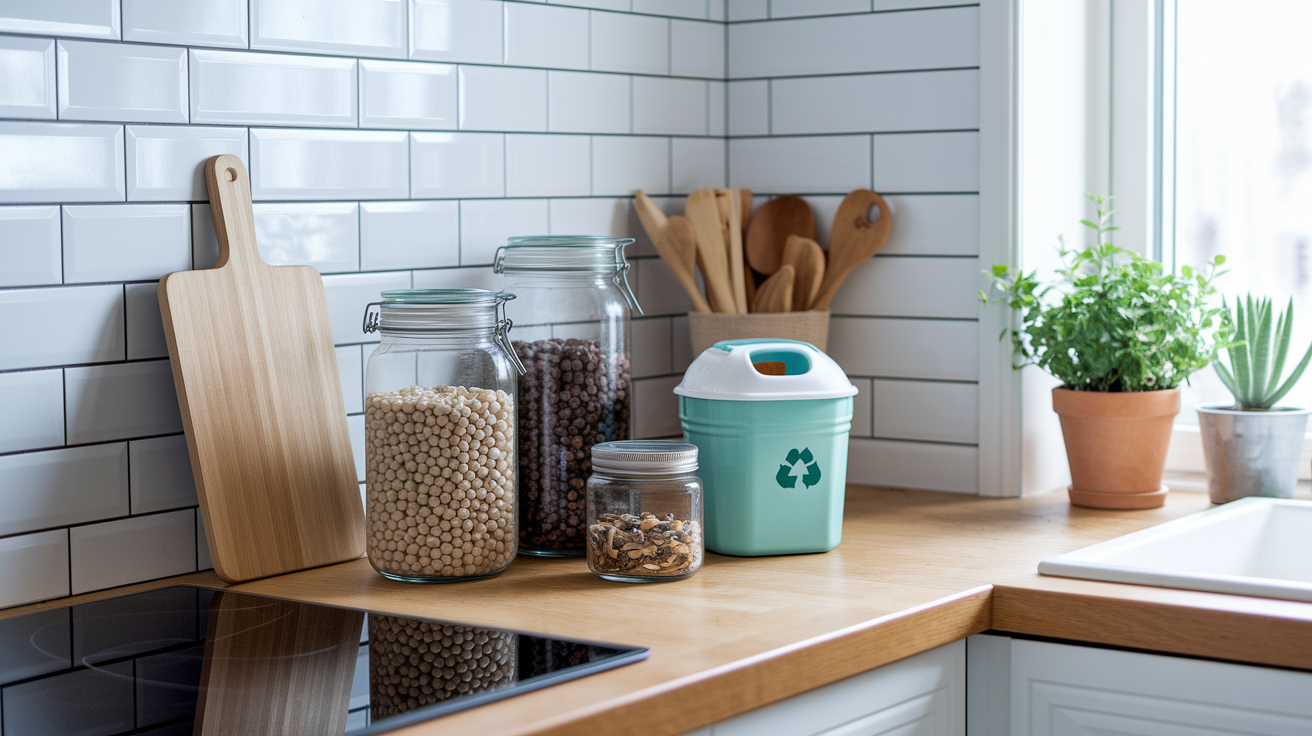
Zero-waste ebooks expand sustainable decorating into daily routines that reduce consumption, lower chemical exposure, minimize landfill-bound trash. You’ll find recipes for DIY all-purpose cleaners (mix equal parts white vinegar and water in a reused spray bottle, add 10 drops of tea-tree or lemon essential oil for scent and antimicrobial boost), laundry detergent (grate bar soap, mix with washing soda and borax, use 1–2 tablespoons per load), glass cleaner (1 part vinegar, 1 part water, wipe with a lint-free cloth). These guides emphasize ingredients you can buy in bulk or in recyclable packaging, avoiding single-use plastic bottles.
Many books include a “plastic diet” framework: audit your apartment for disposable plastics, identify the biggest sources (often food packaging, cleaning supplies, personal-care items), swap them one category at a time. A typical sequence might start with reusable produce bags and glass food-storage containers, move to bar shampoo and refillable hand soap, then tackle less obvious sources like synthetic sponges (replace with cellulose or natural loofahs) and plastic-lined tea bags (switch to loose-leaf tea in a stainless infuser). You’ll see before-and-after photos of kitchen counters and bathroom shelves, showing how a few targeted swaps create a cleaner, less-cluttered look.
Decluttering and repair chapters teach you to evaluate belongings for usefulness and emotional value, then route unwanted items to reuse channels instead of the curb. Books often include step-by-step projects covering tasks like mending torn jeans with visible patches, replacing broken zipper pulls, tightening loose cabinet handles, fixing wobbly chair legs. All skills that extend the life of your stuff and reduce what you need to replace or haul at move-out.
Key zero-waste practices from renter-focused ebooks:
Non-toxic cleaning recipes and refill systems. Make cleaners at home or bring reusable bottles to refill stations, avoiding the cost, waste, fumes of conventional products.
Small-space composting alternatives. Use a countertop compost pail with charcoal filter, freeze scraps until drop-off day at a farmers market or community garden, start a worm bin in a closet if your lease and comfort allow.
Repair and mending tutorials for clothing and household items. Learn basic hand-sewing, patching, gluing, tightening techniques so you can fix instead of replace.
Reuse and donation strategies to avoid landfill. Identify local buy-nothing groups, tool libraries, textile recyclers, donation centers that accept items in any condition. Photograph and list dimensions to make rehoming easier.
Waste-minimizing décor choices. Prioritize vintage, secondhand, multi-use items. Buy only what fits your current space. Choose quality over quantity so pieces last through multiple moves.
Room‑by‑Room Sustainable Decorating eBooks for Renters
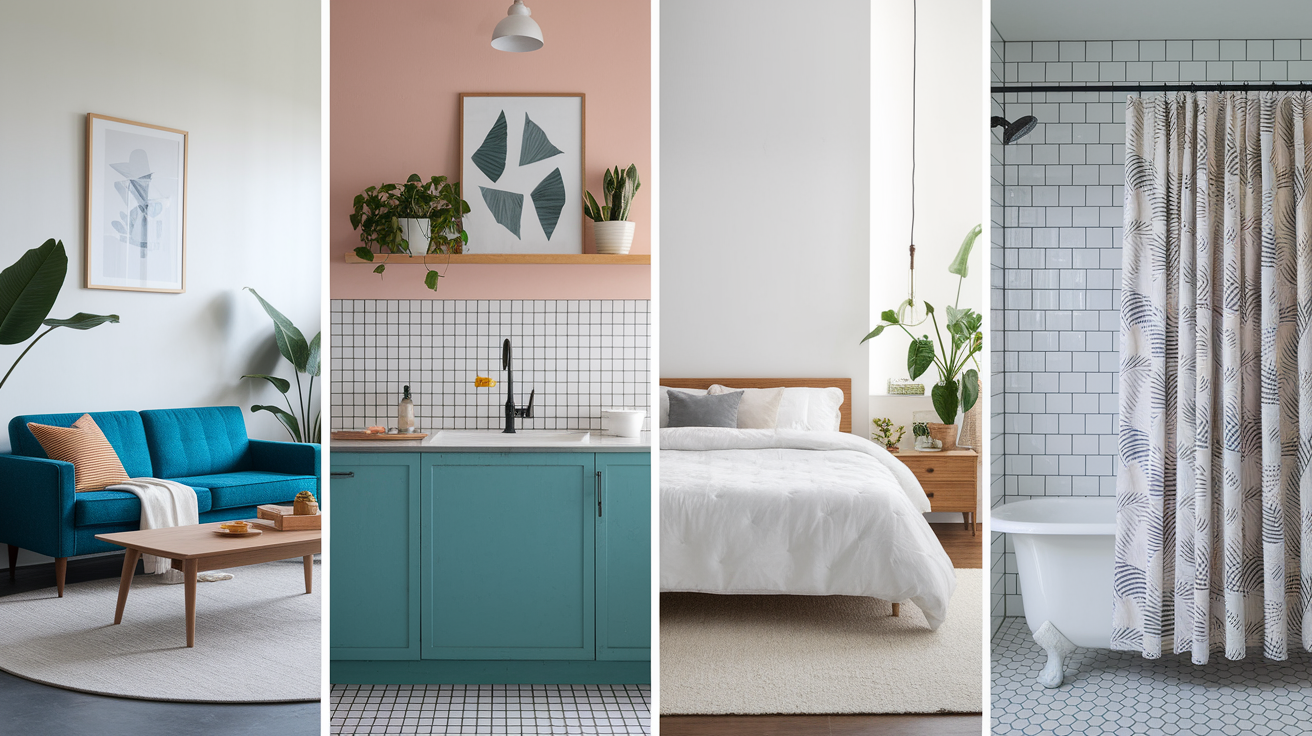
Room-specific ebooks organize projects and checklists by space, making it easier to tackle one area at a time without feeling overwhelmed. You’ll find bathroom chapters explaining how to swap plastic shower curtains for washable organic-cotton or hemp versions hung on rust-proof rings, replace disposable razors and toothbrushes with stainless and bamboo alternatives, add a small potted fern or snake plant to filter air and absorb humidity (just set it on a waterproof tray to protect countertops). Kitchen sections cover renter-friendly upgrades like peel-and-stick tile backsplashes, under-cabinet LED strips plugged into existing outlets, open shelving installed with damage-free adhesive brackets or tension systems that press between floor and ceiling.
Bedroom guides focus on creating a restful, low-toxin sleep environment through textile choices (organic sheets, wool or kapok pillows, natural-fiber blankets), blackout window treatments on tension rods, minimal décor to reduce dust. Living-room chapters teach furniture arrangement for natural light and airflow, plus tips on layering secondhand pieces. Like pairing a thrifted linen sofa with a jute rug and reclaimed-wood coffee table. You can achieve a cohesive sustainable aesthetic without buying new.
Living room: Arrange thrifted or upcycled seating to maximize natural light, add a jute or wool area rug for warmth and sound absorption, hang lightweight art with command strips, layer in plants for biophilic calm.
Kitchen: Apply removable backsplash tiles, swap to energy-efficient LED bulbs in existing fixtures, organize pantry staples in reused glass jars, add a countertop compost pail.
Bedroom: Install blackout curtains on tension rods, choose organic or secondhand bedding, keep surfaces clear to reduce dust and allergens, position a small fan or air-purifying plant near the bed.
Bathroom: Replace vinyl shower curtain with washable fabric, use refillable soap dispensers, mount a tension-rod towel bar if wall space is limited, add a humidity-loving plant on a waterproof tray.
| Room | Typical Sustainable Upgrade | Renter‑Safety Rating |
|---|---|---|
| Kitchen | Peel-and-stick tile backsplash, under-cabinet plug-in LEDs | High – fully removable, no drilling required |
| Bathroom | Washable fabric shower curtain, bamboo accessories, potted plant | High – all items portable or mounted with tension/suction |
| Bedroom | Blackout curtains on tension rod, organic bedding, command-strip art | High – curtains and bedding travel with you, strips remove cleanly |
Sustainable Decorating eBooks Offering Planning Tools, Printables, and Checklists for Renters

Planning-focused ebooks include downloadable worksheets, budget trackers, room-by-room checklists you can print or fill out digitally. You’ll find budget planners that break projects into tiers (“under $50,” “$50–$150,” “$150–$300”) and list estimated costs for common upgrades like LED bulbs, removable wallpaper per roll, secondhand furniture, eco-textiles. Shopping-list templates organize supplies by store type (hardware, thrift, bulk-refill, online marketplace) and include columns for item, quantity, estimated price, actual price so you can track spending as you go.
Many ebooks offer printable measurement guides and floor-plan grids. You’ll measure your rooms, sketch furniture placement on graph paper, test arrangements on paper before moving heavy pieces. Landlord-approval worksheets walk you through documenting your apartment’s original condition with dated photos, drafting a simple email to request permission for minor changes, creating a punch-list for move-out restoration (remove command strips, patch small hook holes, wipe adhesive residue, return bulbs to original wattage if required).
Practical planning aids included in renter decorating ebooks:
-
Budget worksheets sorted by room and project type. Allocate funds across lighting, textiles, furniture, supplies. Compare DIY costs versus buying new. Track actual spending to avoid overage.
-
Printable shopping lists with eco-criteria checkboxes. Mark items as organic, FSC-certified, secondhand, low-VOC, locally made. List preferred retailers and backup options. Note measurements and color codes to avoid returns.
-
Digital templates for floor plans and furniture arrangement. Print graph paper scaled to your rooms, cut out furniture shapes to scale, arrange and rearrange on paper, then move real pieces once to avoid damage and effort.
-
Landlord-approval and move-out checklists. Photograph walls, floors, fixtures on move-in day. Write permission requests for any change that might leave a mark. Schedule final walk-through tasks like filling nail holes, removing adhesive residue, replacing altered hardware so you get your full deposit back.
Final Words
Jump right in: the post laid out curated ebooks that show renter-safe upgrades, removable wall and fixture options, thrift and upcycling tutorials, textile choices, energy-saving lighting tips, zero-waste habits, and room-by-room plans.
Each ebook type usually includes previews, pricing ranges, author notes, step-by-step projects, and printable checklists to make projects manageable on a budget.
Use these sustainable decorating ebooks for renters as a practical toolkit. You can pick one small weekend project and start making your place greener and more comfortable today.
FAQ
Q: What do curated sustainable decorating eBooks for renters teach?
A: Curated sustainable decorating ebooks for renters teach removable wall treatments, renter-safe fixtures, sustainable furniture options, eco-textile choices, pricing guidance, author credentials, and preview samples with photos and step-by-step projects.
Q: How do these ebooks help renters decorate without damaging walls or fixtures?
A: These ebooks help renters avoid damage by showing peel-and-stick techniques, landlord-safe installation, damage-free hooks, removable adhesives, step-by-step removal tips, and temporary alternatives to permanent changes.
Q: What formats, pricing, previews, and author info do these ebooks usually offer?
A: Ebooks usually come as PDF, EPUB, or MOBI, often priced between about $5 and $30, with preview pages, sample projects, and author bios that show design or sustainability experience.
Q: What common features do sustainable renter eBooks include?
A: Common features include removable wallpaper methods, sustainable textile checklists, thrift-upcycle tutorials, photos and diagrams, pros-and-cons charts, and step-by-step project lists for renter-friendly work.
Q: Do these ebooks include step-by-step upcycling and furniture projects?
A: Yes, these ebooks include step-by-step upcycling projects with simple builds, sanding and restoration steps, tool lists, and eco-friendly finish suggestions suited for portable, non-permanent furniture.
Q: How do thrift and salvage guides support low-budget renter styling?
A: Thrift and salvage guides show where to source secondhand pieces, quick restoration tricks, styling tips for mixed finishes, and low-cost hacks that make vintage finds renter-ready and portable.
Q: Do ebooks cover sustainable textiles, rugs, and soft goods for rentals?
A: Ebooks cover sustainable textiles and rugs by explaining natural fiber choices, care and maintenance, removable hanging options, and rug placement tips for insulation and sound absorption in rentals.
Q: What lighting and energy-saving upgrades do renter ebooks recommend?
A: Renter ebooks recommend LED swaps, plug-in pendants and fixtures, efficient bulbs, energy-smart window treatments, portable task lighting, and IAQ-friendly product choices that require no rewiring.
Q: Can ebooks help renters adopt zero-waste habits and daily routines?
A: Yes, ebooks help renters adopt zero-waste habits with DIY cleaning recipes, small-space composting options, repair tutorials, reuse strategies, and projects that cut waste and simplify everyday routines.
Q: Are there room-by-room guides and checklists in these ebooks?
A: Ebooks often include room-by-room guides with checklists for kitchen, bedroom, bathroom, and living room upgrades, offering renter-safe product swaps and step-by-step tasks per room.
Q: Do these ebooks include planning tools like printables and landlord-approval templates?
A: Ebooks commonly include planning tools such as budget planners, printable shopping lists, interactive templates, project worksheets, and landlord-approval checklists to keep projects organized and renter-friendly.